

Thulite Meaning and Properties

Thulite History
Thulite, also known as rosaline zoisite, manganoan zoisite or Norwegian thulite, is a pink variety of zoisite that is loved for its rosy appearance. This variety of zoisite was first discovered in 1820 in Norway by Swedish chemist Anders Gustaf Ekeberg and is named after the mythical island of Thule. Thule, now believed to be Norway, Greenland or Iceland, represented the most known northern boundaries of the world at that time.
Thulite is the national gemstone of Norway. This stone is related to the astrological signs of Taurus and Gemini.
What are the Metaphysical Properties of Thulite?
Thulite is known as a stone of expression and passion, giving people the confidence to speak and perform in front of others. A great choice for introverts, this stone is thought to increase self-confidence and make us more outgoing.
Thulite is supposed to bring a positive and joyful attitude to its wearer, opening us up to a more optimistic view on life and relationships. Thulite meaning is linked to helping us be more open and accepting in our relationships and increasing our capacity to show sympathy for others.
Thulite meaning is associated with breaking destructive habits and fighting addiction. It is thought to give us the strength to move on from the errors of our past. It is said to be a strong healing stone, also believed to improve concentration, balance and coordination.
What is Thulite Made From?
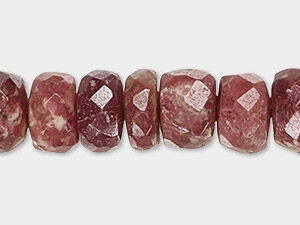
Depending on the amount of manganese present, thulite stones typically have an intense pink to reddish color. This stone is commonly found with quartz. Thulite is known for its sparkly luster and is often mottled with white calcite.
The primary source of thulite is from Norway at Tvedestrand and Leksvik in Sorlandet, Aust-Auger. Thulite also comes from North Carolina in the United States.
- Mineral Information: Variety of Zoisite
- Chemical Composition: Ca2Al3(SiO4)3(OH)
- Color: Red, pink with white mottling
- Hardness: 6 to 6-1/2 (Mohs)
- Specific Gravity: 3.2 – 3.4
- Refractive Index: 1.69 – 1.70
How Do You Clean Thulite?
Thulite is a very soft mineral. At just 6 to 6-1/2 points on the Mohs scale, thulite is vulnerable to scratches, so it needs to be protected. When storing thulite jewelry it is important to keep it away from harder objects.
Care should be taken when cleaning thulite jewelry. It is recommended to use lukewarm soapy water with mild detergent and a soft cloth. Hard brushes and strong detergents can damage the stone.
Thulite FAQs
Q: What colors and patterns are natural to thulite?
A: Thulite occurs in shades of pink to red, with mottled patterns including darker and lighter pinks and reds and white.
Q: How durable is thulite for everyday jewelry?
A: With a Mohs hardness under 7, thulite is best reserved for jewelry pieces that are not prone to accidental impact, such as necklaces, earrings and brooches.
Q: Is thulite considered Norway's national stone?
A: Thulite is the national stone of Norway.
Designing with Thulite
Add some pink to your look! Thulite is an economical choice for jewelry designs, and this opaque gemstone is easy to design with in beads and cabochons.
Thulite is commonly showcased with silver-colored metals, however wire-wrapping thulite with rose gold or yellow gold gives it a high-end look. Due to its soft nature, thulite beads and cabochons make stunning necklace focal pieces and earring dangles, as they are more protected from heavy wear.
Design with complementary colors of crystal beads and crystal pearls. Add into wedding designs with cultured freshwater pearls for a romantic and feminine statement.
A Design Inspiration to Get You Started

Shop for Thulite
**Please note that all metaphysical or healing properties listed are collected from various sources. This information is offered as a service and not meant to treat medical conditions. Fire Mountain Gems and Beads® does not guarantee the validity of any of these statements.
How did you like this resource? Your feedback helps us provide resources that matter to you most.
Copyright Permissions
All works of authorship (articles, videos, tutorials and other creative works) are from the Fire Mountain Gems and Beads® Collection, and permission to copy is granted for non-commercial educational purposes only. All other reproduction requires written permission. For more information, please email copyrightpermission@firemtn.com.