

Mother-of-Pearl, White Meaning and Properties

White Mother-of-Pearl Shell History
Mother-of-pearl shell in all its colors is created by nacre, an iridescent layer that forms in shell linings of mollusks. This material is found in pearl-producing mollusks from all over the world. Used for thousands of years, mother-of-pearl shell was valued by the ancient Egyptians for adornment while East Asia used it in religious art. Mother-of-pearl shell in general was increasingly popular in the Victorian era when it was used to inlay items such as cutlery, jewelry boxes, buttons and jewelry. Today, mother-of-pearl shell is still used as an inlay such as for guitars and household items, but the shell itself is used in jewelry creations, too.
What are the Metaphysical Properties of White Mother-of-Pearl Shell?
According to some metaphysical beliefs, mother-of-pearl shell in all its colors is believed to bring about prosperity. Of course, each color also has connotations, with white mother-of-pearl shell meaning being linked to concepts such as purity and youthfulness. It is unsurprising that with a name containing "mother," this shell is said to provide motherly protection and soothing abilities. It is not a traditional birthstone, but white mother-of-pearl shell meaning is associated with the Zodiac sign of Pisces and the heart chakra. For this reason, mother-of-pearl shell is believed to help strengthen the heart and immune system.
What is White Mother-of-Pearl Shell Made From?
Mother-of-pearl shell comes from both saltwater and freshwater mollusks. This material has been sourced from Australia, Japan, Central America, the Persian Gulf, Madagascar, the Philippines, South America, China and more. White mother-of-pearl shell is opaque to translucent in colors such as white and cream, though it can be dyed to create other colors, too.
- Mineral Information: Calcium carbonate, aragonite
- Chemical Composition: 84-92% calcium-carbonate, 4-13% organic substances, 3-4% water
- Color: White to cream color
- Hardness: 3 to 4 (Mohs)
- Specific Gravity: 2.60 - 2.78
- Refractive Index: 1.52 - 1.66
How Do You Clean White Mother-of-Pearl Shell?
Mother-of-pearl shell may help protect shells, but this material is fragile, with a Mohs hardness of 3 to 4. To return white mother-of-pearl shell to its beautiful luster, wipe with a damp soft cloth. The gemstone can also be rinsed with warm, soapy water. Be sure to thoroughly dry any jewelry before storing to keep any metal settings from tarnishing. Keep mother-of-pearl shell jewelry away from other harder stones and materials, preferably in a soft pouch or on a separate velveteen tray.
White Mother-of-Pearl Shell FAQs
Q: How is white mother-of-pearl shell sourced?
A: Mother-of-pearl shell is ethically sourced, following legal regulations, including sourcing the beautiful material as a byproduct of the pearl or food industries, reducing waste.
Q: Why do some beads have more luster or sheen than others?
A: The luster is caused by the beautiful nacre that mollusks deposit on the inside of their shells. Differences in the deposition of the materials as well as the process by which they are turned into jewelry-quality components both influence the sheen of each individual piece.
Q: Is white mother-of-pearl shell rare?
A: White mother-of-pearl shell is not rare.
Designing with White Mother-of-Pearl Shell
Especially popular in Victorian-inspired jewelry designs, mother-of-pearl shell is often seen as cameos for use in brooches, necklaces and bracelets. Mother-of-pearl shell isn't just an addition to feminine jewelry though, as this shell is commonly seen in cuff links and tie tacks. Pair white mother-of-pearl shell with black for a striking, sophisticated result. Coordinate with soft pink crystals or stones for a decidedly delicate and feminine piece of jewelry. Use other white materials such as cultured freshwater pearls with mother-of-pearl shell to create wedding designs that are sure to attract attention.
A Few Design Inspirations to Get You Started

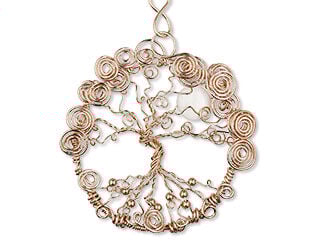
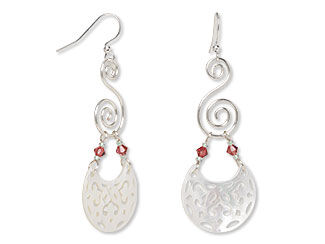
Shop for White Mother-of-Pearl Shell
.jpg)
.jpg)
.jpg)
**Please note that all metaphysical or healing properties listed are collected from various sources. This information is offered as a service and not meant to treat medical conditions. Fire Mountain Gems and Beads® does not guarantee the validity of any of these statements.
How did you like this resource? Your feedback helps us provide resources that matter to you most.
All works of authorship (articles, videos, tutorials and other creative works) are from the Fire Mountain Gems and Beads® Collection, and permission to copy is granted for non-commercial educational purposes only. All other reproduction requires written permission. For more information, please email copyrightpermission@firemtn.com.