

Pearl Colors Guide: Understanding Body Color, Overtone, and Luster

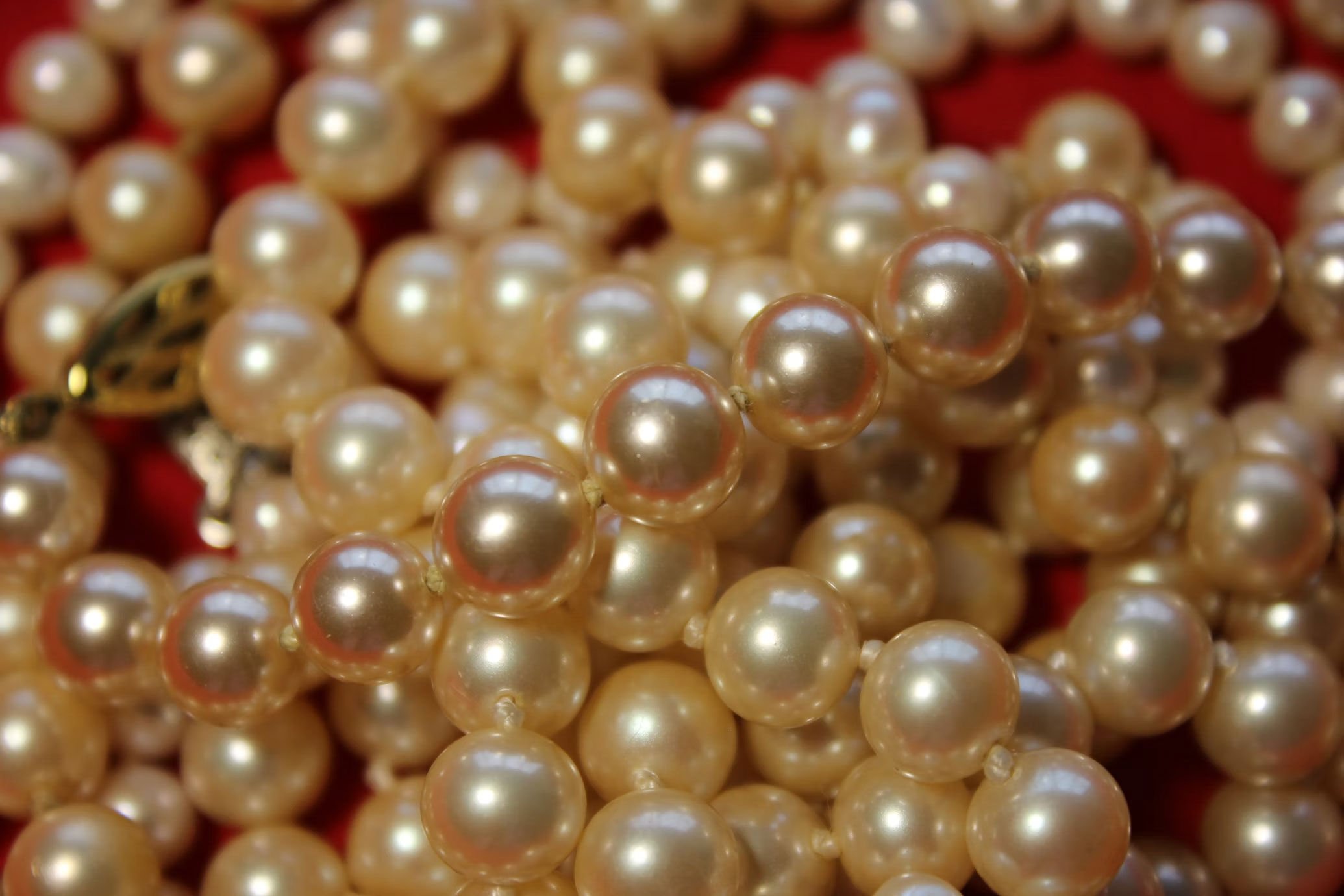
Image by Dare Artworks via Unsplash
Maybe you’ve seen this: two pearls that look perfectly white at first glance, but then you notice that one appears bright and lively while the other feels flat. That difference comes from how the pearl’s body color, overtone, and luster work together. But what is a pearl, and how can these differences give unique characteristics to each gem? This guide breaks down those elements clearly so you can evaluate pearls with confidence and precision.
What Does “Pearl Color” Really Mean?
With pearls, the color is not one single attribute. Instead, this is a shorthand that a pearl expert uses for several optical effects layered on top of each other. Body color forms the base. Overtone adds a translucent wash of color above that base. Luster controls how light reflects from the surface and influences how strong those colors appear. Some pearls also show orient, a subtle iridescent effect that creates a soft rainbow sheen. Let’s break these down, since these characteristics will guide you through the pearl fashion selection process.
Body Color: The Base Paint
Body color refers to the dominant, underlying color of a pearl. This color remains consistent across the surface and serves as the first descriptor gem professionals use. White, cream, silver, gray, gold, and black all describe body color families rather than surface effects.
Body color stays relatively stable under different lighting. That stability makes it the easiest part of pearl color to identify.
Overtone: The Translucent Veil
Overtone describes one or more translucent colors that appear to float over the body color. This effect comes from light interacting with the layers of nacre near the surface. Overtone does not replace the base color. Rather, it modifies how that base color reads to the eye.
Overtone changes with viewing angle and lighting. Side-by-side comparison reveals overtone differences far more clearly than isolated viewing.
Orient: The Rainbow Shimmer
Orient refers to a faint, iridescent play of color that appears just beneath the surface of some pearls. This effect resembles a soft oil-slick or rainbow sheen rather than a single-color overlay. Orient differs from overtone because it shows multiple colors shifting at once.
Fine orient appears most often on pearls with very high nacre quality. Many pearls show little or no visible orient, and that absence does not indicate poor quality. When present, orient adds visual interest and depth rather than brightness.
Luster: How the Color Reads
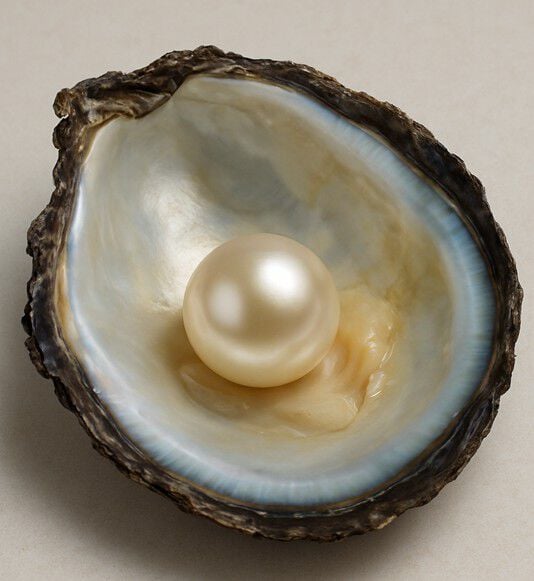
Luster describes how sharply and brightly light reflects from a pearl’s surface. High-luster pearls show clear, crisp reflections with bright highlights and defined edges. Low-luster pearls scatter light and appear chalky or dull.
Surface quality and nacre structure influence luster. Smooth surfaces support clean reflections. Thick, well-structured nacre layers allow light to bounce back efficiently. Nacre thickness affects longevity and resistance to wear, as well as the treatment of soft gemstones such as pearls. Surface blemishes interrupt reflections and reduce visual sharpness.
Color “Personalities” By Pearl Type
While no two pearls will ever be exactly the same, there are some clear characteristics of pearl types. Modern pearl jewelry incorporates specific pearl types based on these indicators.
Akoya: Classic White and Distinct Overtones
Akoya pearls typically show white or silver body color with rose or silver overtones. Buyers often prefer rose overtone for warmth or silver overtone for a crisp, modern look. High-quality Akoya pearls display a very sharp luster that makes overtones appear clean and precise.
Freshwater: A Wider Range of Natural Colors
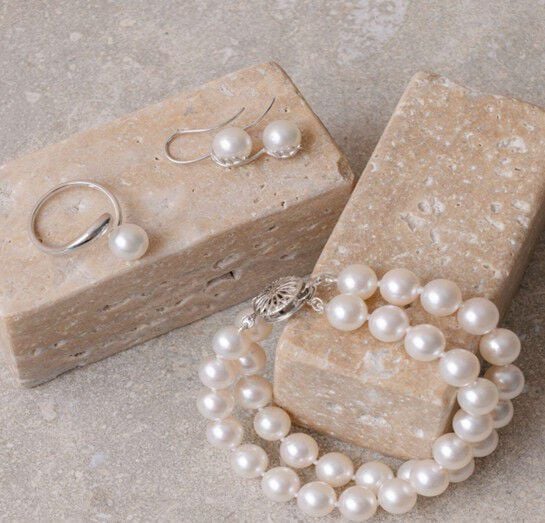
Freshwater pearls offer a wide color variety due to different mollusk species and cultivation methods. White freshwater pearls often show rose or cream overtones. Naturally colored freshwater pearls appear in lavender, peach, and soft purple tones without dye.
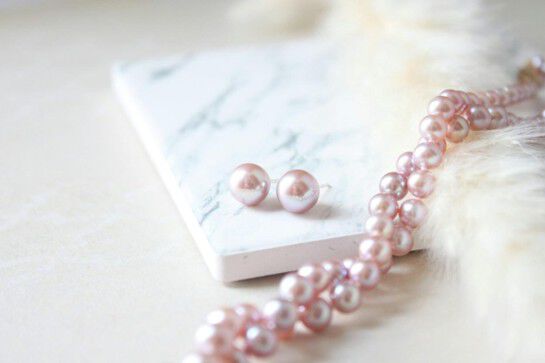
Image by Paige Johnson via Unsplash
Tahitian: Dark Body Colors and Strong Overtones
Tahitian pearls feature dark body colors that range from gray to silver. Overtones create their famous palette. Green and peacock overtones remain popular due to their depth and versatility. Blue and aubergine/eggplant tones appeal to buyers who prefer cooler or moodier color stories.
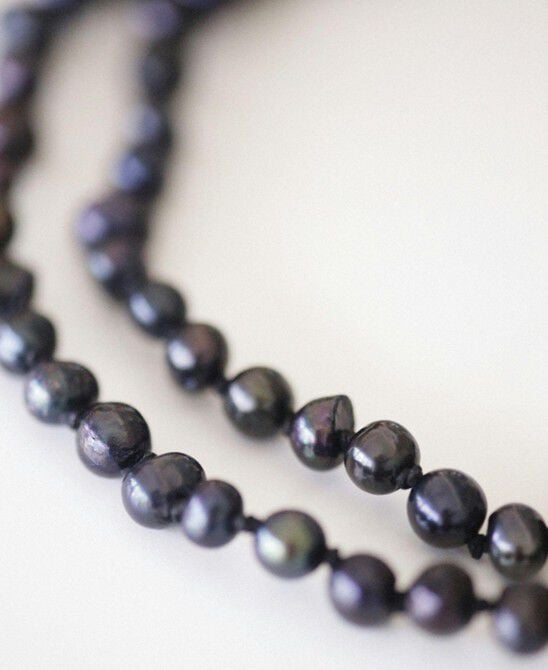
Photo by Alexey Demidov on Unsplash
South Sea: The Pearl with Satin Luster
South Sea pearls appear primarily in white and golden body colors. These pearls often show a softer, satiny luster rather than mirror-sharp reflections. Golden South Sea pearls range from pale champagne to deep gold, with overtone adding richness rather than contrast.
Busting Common Myths About Pearl Colors
Here are some of the most common misconceptions about pearls and their diverse color schemes:
Myth: Overtone and luster describe the same characteristic.
Fact: Overtone and luster describe different traits. Overtone refers to color. Luster refers to light reflection quality.
Myth: All “black pearls” are truly black.
Fact: Black pearls rarely appear jet black. Most Tahitian pearls fall within gray and silver families with colorful overtones.
Myth: A pearl with a stronger overtone is automatically of a higher quality.
Fact: Stronger overtone does not always mean better quality. Personal preference determines which color combinations feel most appealing and appropriate for the piece being designed.
Frequently Asked Questions
What’s the difference between overtone and orient?
Overtone refers to a translucent color that appears over a pearl’s body color, such as rose or silver. Orient describes a subtle, rainbow-like iridescence that shifts across the surface rather than showing one distinct hue.
Why does the same pearl look different in different rooms?
Lighting temperature and direction change how light reflects from the nacre, which alters how overtone and luster appear.
Which matters more: color or luster?
Luster drives overall beauty and brightness, while color shapes mood, style, and pairing choices. Remember, the jewelry featuring the pearl will also have some factors to consider, such as matching the neckline, level of formality, and even your go-to hairstyle.
Final Takeaway
Body color sets the base, overtone adds a translucent glow, and luster controls brightness and clarity. Reading these elements together allows accurate comparison and confident selection. Pearl beauty comes from balance, not from any single trait viewed alone.
Have a question regarding this project? Email Customer Service.
Copyright Permissions
All works of authorship (articles, videos, tutorials and other creative works) are from the Fire Mountain Gems and Beads® Collection, and permission to copy is granted for non-commercial educational purposes only. All other reproduction requires written permission. For more information, please email copyrightpermission@firemtn.com.
**Please note that all metaphysical or healing properties listed are collected from various sources. This information is offered as a service and not meant to treat medical conditions. Fire Mountain Gems and Beads® does not guarantee the validity of any of these statements.