

Jade, Malaysia Meaning and Properties

Malaysia "Jade" History
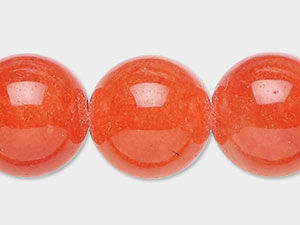
Commonly mistaken for fine-quality jade, Malaysia "jade" is not actually jade at all. This gemstone may resemble jade in some aspects, but Malaysia "jade" is a tradename used for translucent quartz, usually chalcedony, which has been expertly dyed. Malaysia "jade" can be found in a myriad of colors, the most common being red, green, blue, lavender, turquoise, pink, watermelon and pure white.
In ancient times, colorless quartz was used in urns, caskets, vases and pitchers that were part of the royal treasure as well as for ornaments, rosaries and necklaces. Some ancient civilizations believed quartz to be incarnations of the divinity and was thought to be alive.
What are the Metaphysical Properties of Malaysia "Jade"?
Since Malaysia "jade" comes in such a wide range of vivid colors, it's believed the color has an influence on perceived metaphysical properties. As in color theory, there is evidence to believe certain colors can have effects on mood and perception—thus Malaysia “jade” meaning is associated with its color. For example, as a generality, blue has a calming effect while red is a stimulant. Since it is actually quartz, Malaysia "jade" meaning is linked to the metaphysical properties this gemstone. Quartz is said to be a master healing stone that responds to the individual need of the wearer.
What is Malaysia "Jade" Made From?
Quartz is considered to be the most abundant mineral found at the Earth's surface due to the fact this mineral can form in all temperatures. Quartz is incredibly durable, making it an easy gemstone to include in jewelry. Malaysia "jade" has a Mohs hardness of 7, a safe hardness for use in bracelet designs while other softer gems run the risk of fracturing from potential blows. Varieties of quartz have been used in electronic products due to its electrical properties and heat resistance.
- Mineral Information: Silicon dioxide (quartz)
- Chemical Composition: SiO2
- Color: Blue, turquoise, reds, green, pinks, lavender, white
- Hardness: 7 (Mohs)
- Specific Gravity: 2.65
- Refractive Index: 1.544 – 1.553
How Do You Clean Malaysia "Jade"?
Since Malaysia "jade" is so heavily dyed, it is not recommended to use ultrasonic or steam cleaners. Don't expose this type of quartz to high heat or extreme temperature changes as this can cause discoloration or cracking. The best method for cleaning Malaysia "jade" is to simply use warm soapy water and a soft cloth or brush. Be sure to thoroughly dry the stone and any settings before wearing or storing Malaysia "jade" jewelry and stones.
Malaysia “Jade” FAQs
Q: Is Malaysia “jade” real jade?
A: Malaysia “jade” is not real jade, but a variety of dyed quartz, usually chalcedony.
Q: Why is it called Malaysia “jade” if it's not jade?
A: Mayalsia “jade” bears a strong resemblance to actual jade. Bearing the name enables customers to find a budget-friendly and similar alternative to jade.
Q: Is Malaysia “jade” natural or dyed?
A: Malaysia “jade” is dyed.
Q: Is it true that Malaysia “jade” is really quartz?
A: Malaysia is actually dyed quartz.
Designing with Malaysia "Jade"
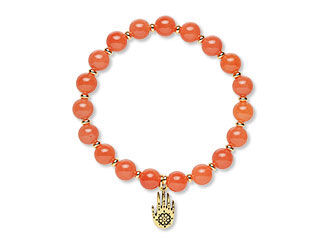
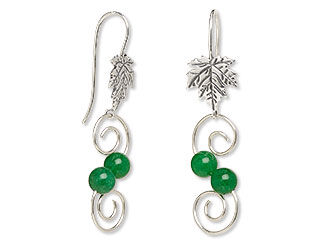
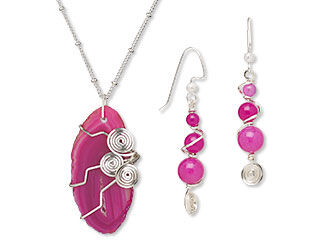
The real appeal of Malaysia "jade" is of course the fantastic, saturated colors. Vibrant hues are especially popular for spring and summer jewelry, but that certainly doesn't mean you can't wear your Malaysia "jade" designs during other seasons as well. Malaysia "jade" has a smooth, high polish that makes it pair perfectly with other smooth beads and materials in jewelry. Play up the colors of Malaysia "jade" by using complementary color schemes or go for monochromatic designs by finding gems and materials that match the brightly dyed hues.
A Few Design Inspirations to Get You Started
Shop for Malaysia "Jade"
**Please note that all metaphysical or healing properties listed are collected from various sources. This information is offered as a service and not meant to treat medical conditions. Fire Mountain Gems and Beads® does not guarantee the validity of any of these statements.
How did you like this resource? Your feedback helps us provide resources that matter to you most.
All works of authorship (articles, videos, tutorials and other creative works) are from the Fire Mountain Gems and Beads® Collection, and permission to copy is granted for non-commercial educational purposes only. All other reproduction requires written permission. For more information, please email copyrightpermission@firemtn.com.