Soapstone Meaning and Properties

Soapstone History
Soapstone, also called steatite and known by regional and marketing names, has been in use for thousands of years. It gets its name because of its softness and "soapy" feel. Soapstone is nonporous and nonabsorbent, which makes it a good material for kitchen countertops and sinks. It is used for insulating electrical components due to its low electrical conductivity. Soapstone is also used for construction of fireplace surrounds and with metal woodstoves. In the art world, soapstone is used for inlaid designs and sculpture, with some Native Americans using soapstone for traditional carvings. In the 19th century, soapstone was used for grave markers in Georgia and Ohio.
What are the Metaphysical Properties of Soapstone?
Soapstone is commonly believed to have a soothing, balancing effect while creating a positive, calming energy. Soapstone is valued for it the way it helps one prepare for changes in life. Soapstone meaning is linked to truth and logic as well as rational and creative thinking. Soapstone’s physical benefits are said to be balancing the digestive system and reducing irritation and skin rashes, sunburns and allergies. Soapstone meaning is also associated with stability and grounding.
What is Soapstone Made From?
Soapstone is a metamorphic rock that is composed primarily of talc. It is formed most often in areas of Earth’s crust that are subjected to extreme heat and pressure. Because of its high talc content, soapstone is a relatively soft stone with a Mohs hardness of 1, which makes it easy to carve. It is nonporous, nonabsorbent and heat resistant.
- Mineral Information: Metaphoric rock, a variety of mineral species steatite
- Chemical Composition: Mg3Si4O10(OH)2
- Color: White, grey, green, brown or light brown
- Hardness: 1 (Mohs)
- Specific Gravity: 2.75
- Refractive Index: 1.54
How Do You Clean Soapstone?
With a Mohs hardness of 1, soapstone is very soft and should be treated with care. Wash with warm, soapy water and a soft cloth or soft brush. Dry thoroughly. Do not apply harsh cleaning products, including bleach and acid. Do not use ultrasonic cleaners or steamers.
Soapstone FAQ
Q: What are the range of colors in soapstone?
A: Soapstone occurs in the earthy colors of brown, light brown, grey, white and green.
Q: Is soapstone treated or enhanced?
A: Soapstone may be treated by oiling or waxing to deepen color and appearance. It may also have a surface sealant applied.
Q: Is soapstone a porous or non-porous stone?
A: Soapstone is non-porous, making it ideal for kitchen countertops and other applications where it might get wet.
Designing with Soapstone
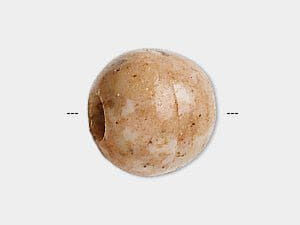
While the color of natural soapstone tends toward lighter shades of grey, green or brown, soapstone can be coated to achieve brighter shades of those colors, making it ideal for autumn-themed jewelry.
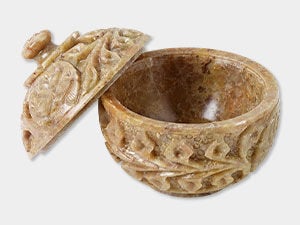
Soapstone isn’t just for jewelry—it’s also cherished for its decorative and functional carved gifts. Handcrafted soapstone boxes, often adorned with intricate designs or animal motifs, make thoughtful keepsakes and unique gift ideas. Thanks to the stone’s softness, soapstone carving allows for exquisite detail and smooth finishes, making each piece a miniature work of art. Whether used to hold small treasures or simply admired for its craftsmanship, soapstone gifts bring warmth, tradition and natural beauty to any space.
A Few Design Inspirations to Get You Started


Shop for Soapstone
**Please note that all metaphysical or healing properties listed are collected from various sources. This information is offered as a service and not meant to treat medical conditions. Fire Mountain Gems and Beads® does not guarantee the validity of any of these statements.
How did you like this resource? Your feedback helps us provide resources that matter to you most.
Copyright Permissions
All works of authorship (articles, videos, tutorials and other creative works) are from the Fire Mountain Gems and Beads® Collection, and permission to copy is granted for non-commercial educational purposes only. All other reproduction requires written permission. For more information, please email copyrightpermission@firemtn.com.