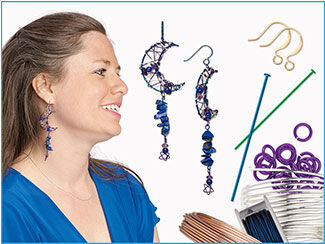
Turn jewelry making into an art form with these 7 key design principles. Learn how balance, movement and more can inspire new heights of creativity.
Which Metals Should You Use?
Choosing the right metal to use in your jewelry involves balancing a number of factors beyond gold vs. silver. Get the lowdown on all metal materials.
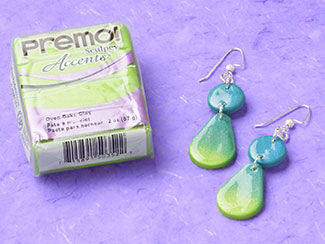
Learn Simmon's Polymer Clay Blend
Take your polymer clay blending skills to the next level with Simmon's polymer clay blend. Witness firsthand how this technique creates a stunningly balanced spectrum of colors.
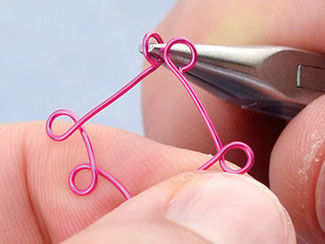
Artistic Wire® Connector Diamond Jig
Create perfectly balanced and symmetrical jewelry connectors with the Artistic Wire® Connector Diamond Jig. Follow these step-by-step instructions and let your creativity get wired.
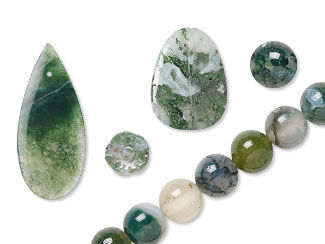
Agate, Moss
It's no surprise that moss agate's plant-like filaments affect the perceived metaphysical properties of the stone. Moss agate is said to encourage tranquility and emotional balance.
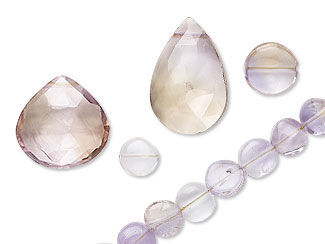
Ametrine
Ametrine is actually a combination of amethyst and citrine, which can occur completely naturally. It stands to reason ametrine is said to be a stone of balance and connection.
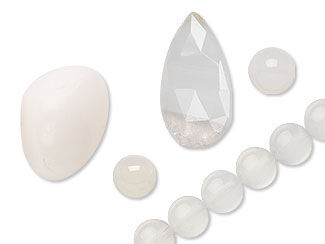
Agate, White
White agate is believed to be a stone of balance and release. According to metaphysical beliefs, this agate gemstone helps harmonize feminine and masculine sides.
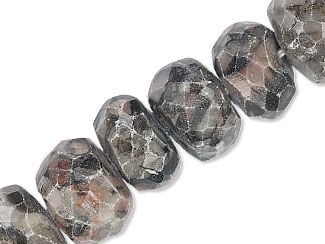
Amphibolite
Amphibolite--sometimes also referred to as hornblende--is said to help balance the dual natures of individuals who wear jewelry featuring this metamorphic stone.
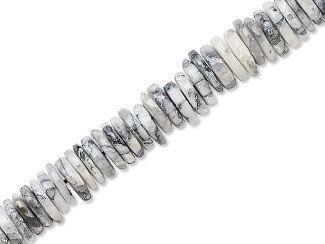
Pinolith
How much do you know about pinolith? That it's a very rare semiprecious stone? That it's believed to be a gemstone of optimism and balance? Or how it's fantastic for jewelry-making?
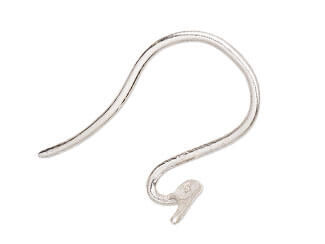
Earwire
A thin piece of wire used to support ear jewelry. Ear wires come in many styles. The fishhook is popular often with a ball or coil to balance the finding.