



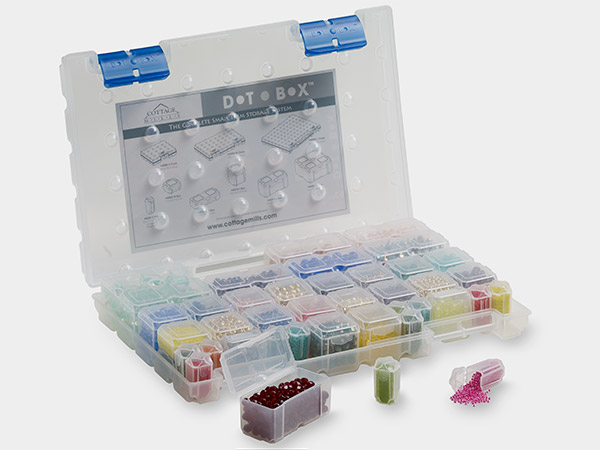
Are you asking, "How do I start making jewelry?" Starting to make jewelry can be a fun and rewarding creative journey, allowing you to express your personal style through unique, handmade pieces. What begins as a simply hobby can quickly turn into a fulfilling passion, with endless opportunities to experiment with different designs, materials and techniques. Whether you're designing and creating jewelry for yourself, friends or as a relaxing escape, the possibilities are endless. This guide will help you on your way to your jewelry-making journey, providing you with knowledge and inspiration you need to bring your visions to life.

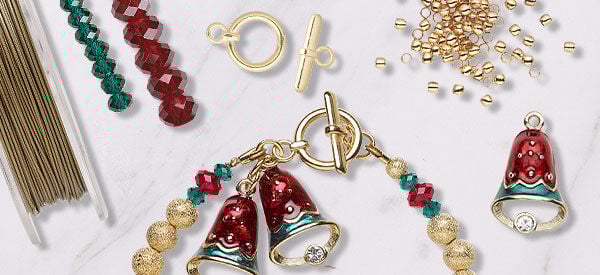
Bead Stringing: A Calming and Creative Foundation for Jewelry Making
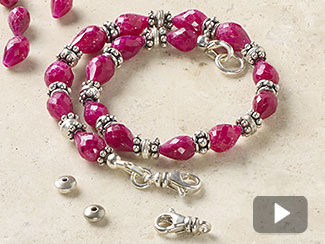
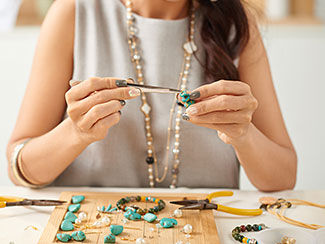
Bead stringing is a fundamental jewelry-making skill that forms the foundation for many designs. It is also a calming, therapeutic activity that promotes mindfulness and stress relief. It involves threading beads onto a string or wire, allowing for endless creativity and customization. With the ability to mix different shapes, colors, and sizes of beads, the design possibilities are limitless, making bead stringing a versatile technique for both beginners and experienced jewelry designers.
"A calm mind is a creative mind." - Sarah Selecky

Christmas Pearl Bracelets
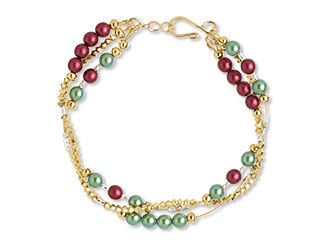
Create classy Christmas pearl bracelets with timeless white pearls, rhinestone rondelles and a touch of holiday color. Choose from red, green, or even blue for a style that works beautifully during the season and all year round.
Hosted by Elaine
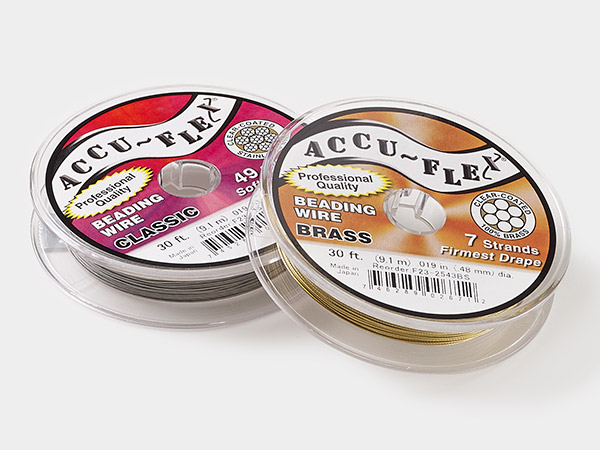
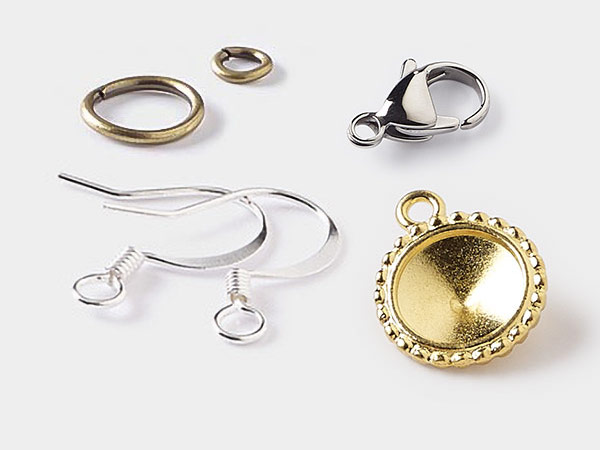
When stringing beads, selecting the right stringing material, beads, and findings is crucial for ensuring the strength, durability, and overall aesthetic of your project. The stringing material should complement the weight and type of beads you're using, while also providing the flexibility or rigidity needed for your design. Beads come in a wide variety of shapes, sizes, and materials, so choosing the right ones will help achieve the look and feel you want. Similarly, selecting the appropriate findings, like clasps, crimps, and jump rings, is essential for securing your design and ensuring it’s functional and wearable. Taking the time to carefully choose these components will make a big difference in the success of your jewelry creation.

Secrets to Crimping
Learn a handy secret or two (or three) for making your crimps as effective as possible when professionally finishing designs. Tammy Honaman, expert jewelry maker, shows how it’s done.
Hosted by Tammy Honaman
Featured Design Inspiration
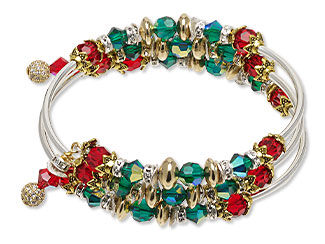
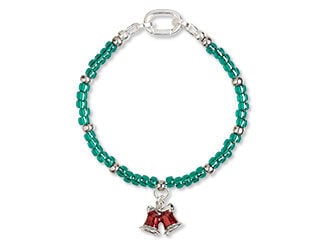
Yuletide Sparkle
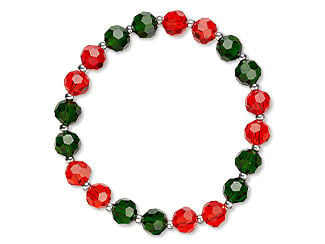
Antique gold-finished bead caps add an extra touch of luxury to this Christmas-themed bracelet featuring sparkling Preciosa Czech crystal.
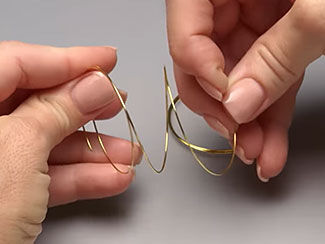
Secrets to Cutting Memory Wire
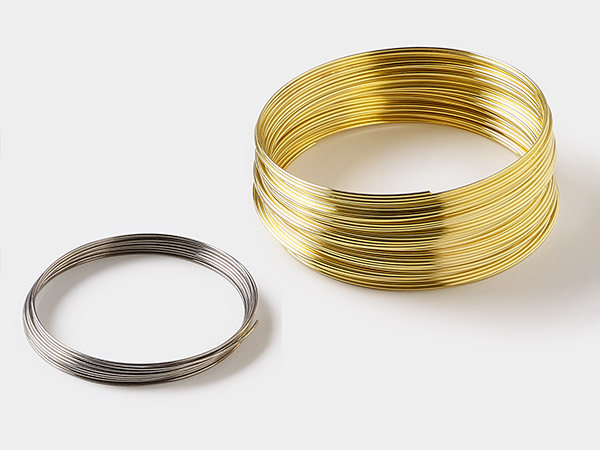
Memory wire is a favorite jewelry wire for quick bead stringing projects, but you need a special tool to cut the stainless steel so your wire (and pliers!) aren't damaged.
Frequently Asked Questions
Our team of experts is here to answer all your bead stringing questions. Whether you're wondering what stringing materials work best with wood beads, how to reduce beading wire waste, which thread to use with pearls, or the best stringing material for tiny beads, we've got you covered.

Q: I want to make an 8mm beaded bracelet using turquoise and mother-of-pearl. What size elastic cord should I get?
A: We suggest 0.8mm Powercord® for an 8mm beaded bracelet. This size is thin enough to pass through most bead holes, while still maintaining the strength and flexibility needed.
Jewelry Making Charts
Charts are also a great way reference for questions about bead stringing.

"How many beads per strand?" and "What are standard jewelry lengths?" are common questions in bead stringing. These charts save time and reduce errors, ensuring that your projects turn out as planned and fit properly, while also helping you experiment with new ideas and techniques.
Explore bead stringing charts to find these answers and more.
Get Inspired!
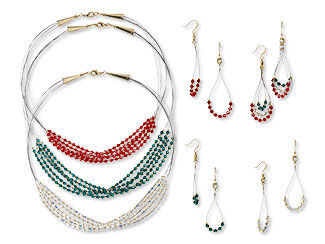
Find inspiration for your bead stringing projects in the Gallery of Designs. Explore a variety of creative designs featuring a wide range of beads for jewelry making.
Top Bead Stringing Jewelry Making Supplies
Your Guide to Jewelry Making



You supply the creativity, we supply everything else! ®