EncycloBEADia®
Alphabetical List of Jewelry-Making Terms
Encyclobeadia Alphabetical List of Jewelry-Making Terms
All
a
b
c
d
e
f
g
h
i
j
k
l
m
n
o
p
q
r
s
t
u
v
w
x
y
z
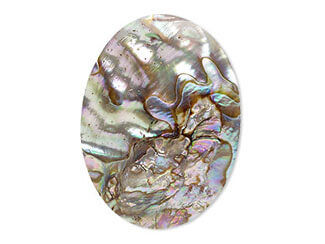
An iridescent mother-of-pearl harvested from certain saltwater mollusks. Paua shell is a variety of abalone.
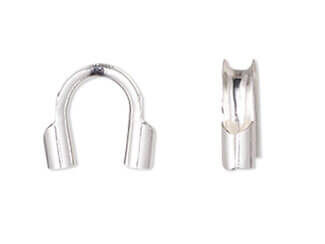
A horseshoe-shaped loop of metal used to cradle and protect beading wire, thread or cord from fraying through contact with metal components such as clasps or links.
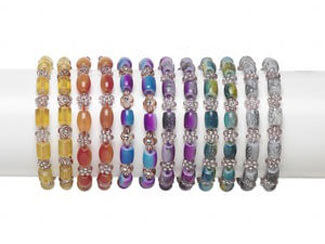
A form of plastic which can be molded into a variety of shapes, including beads, components and findings.
A clasp narrow enough to allow large-hole beads to slide over the clasp and onto the chain or cord. Can include Bayonet Clasp or Bead Clasp styles.

(see also Glue) A liquid, semi-liquid, gel or film that adheres or bonds items together. E-6000® and G-S Hypo cement are adhesives.
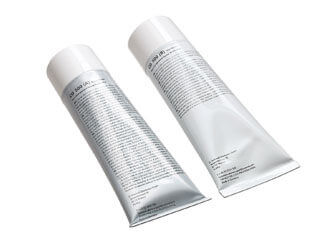
Has a short length of chain to vary the necklace length by attaching the clasp to different links of the chain. Includes Hook-and-Eye and Lobster Claw Clasps.
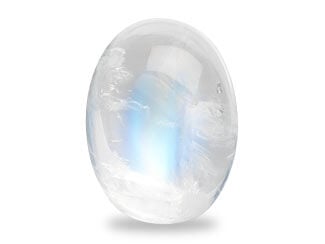
The defining feature of moonstone, adularescence is the floating, misty shimmer of white or bluish light that can only be observed from certain angles. It has been described as looking at moonlight through clouds. A variety of schiller, adularescence is caused by diffused light reflecting from parallel columns of minerals inside a stone, which have a different refractive index from the stone itself.
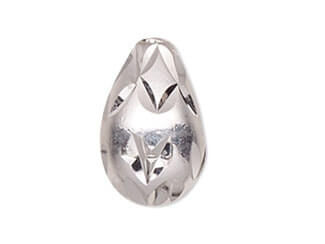
A blend of elements to create a new metal, usually in order to add strength and durability. Argentium™ silver is an alloy of silver, copper and germanium.
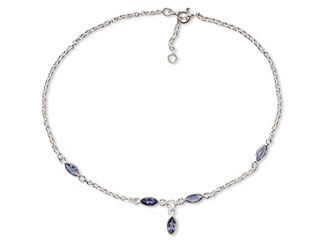
A form of bracelet, usually chain, worn around the ankle. Anklets made of leather or fiber are increasingly popular.
Heating metal in order to activate, increase or change its strength, hardness, ductibility and other traits.

Learn the meaning of "anodized" and how it enhances both the visual appeal and durability of jewelry pieces.

An item, regardless of quality, which was manufactured 100 or more years ago.
Metal beads and components which have a human-created patina which alters the surface colors and gives the appearance of age.
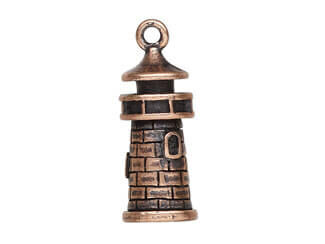
(see also Antiqued) A patina created on metal beads and components that alters the surface colors and gives the appearance of age.
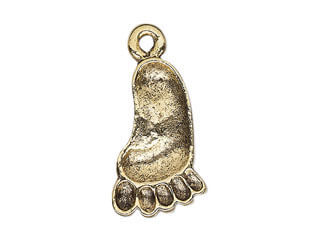
A framework around which a sculpture is built. Large clay pieces may use armatures to reduce firing time and to stretch more expensive materials.
Named for the northern lights, aurora borealis is a term for crystal stones that have a highly iridescent surface. Often abbreviated to AB.
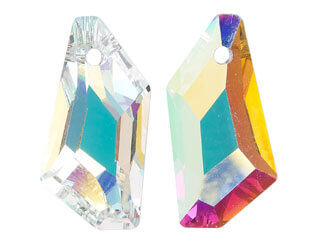
The AB2X effect has twice the coating of the AB effect, covering the entire crystal. The iridescent rainbow effect is seen on all sides, for the utmost sparkle.
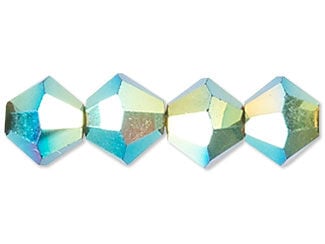
A type of embroidery, sewing and needlework stitch where individual stitches are created in the opposite direction to the direction of the seam.
A metal loop that is used to attach a chain or cord to a pendant.
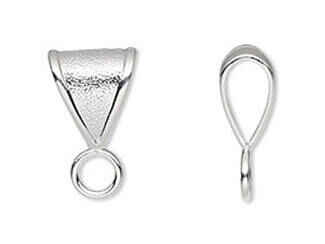
Bonds to any flat-backed item to make a pendant.
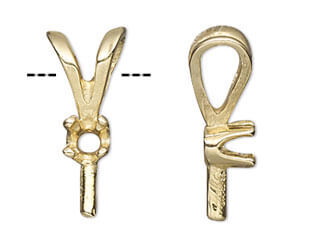
The trademarked name for synthetic resins and plastics developed by a US chemist. Jewelry pieces made of Bakelite were extremely popular in the US in the 1930s.

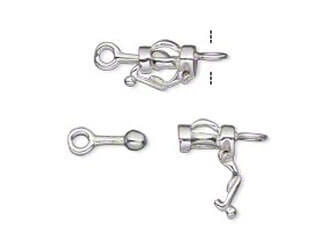
A clasp which uses pressure on the ball portion to keep the clasp closed.
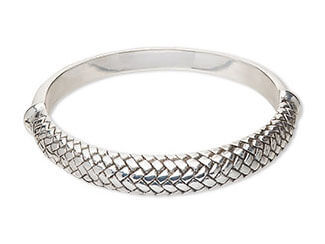
An inflexible circular bracelet, often narrow. Some styles may be hinged, however, most bangles have no clasp and must be slipped over the hand to be worn.
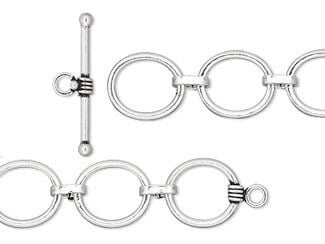
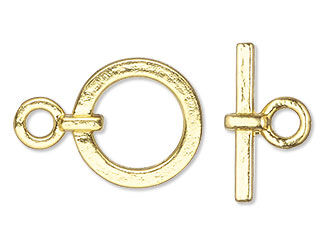
A two-piece clasp with a T-shaped bar and a loop. The loop is usually a circle, but sometimes other shapes are used. See also Toggle Clasp.
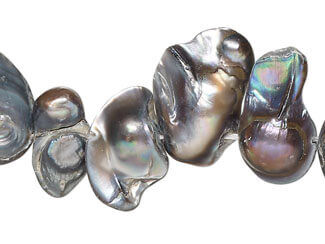
An irregularly shaped pearl, whether natural, cultured or manufactured. Can also refer to a highly- embellished artistic style from the 1600s to 1750s.
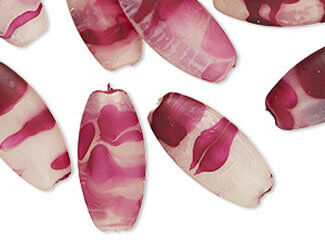
A tubular bead which that is wider across the center and narrows at the ends, with a flat non-tapering end. It is shaped like an old wooden barrel.
A low-profile clasp with a threaded closure, which is twisted or screwed to open and to close. See also Bead, Screw and Torpedo Clasp styles.
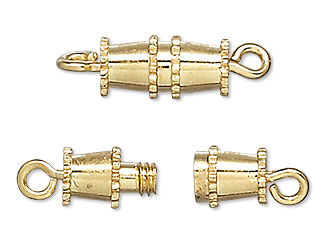
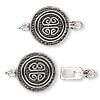
A clasp which looks like a bead and has a narrow bayonet closure.
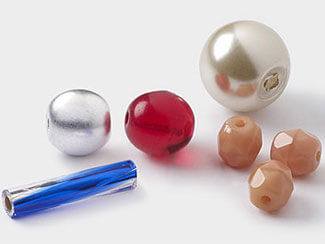
A generally hard material, in any shape and small to medium size, which contains a hole for stringing.
Flat surface used to design jewelry by offering a single or multiple channels. Some may be soft silicone, others may be flocked, for a no-slip surface.

A bowl-shaped component used to "cap" one or both ends of a bead to add visual interest. Mostly decorative, but also prevents beads from rubbing together.

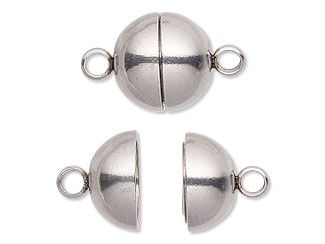
A bead-like clasp that has a magnet, screw, tab insert or bayonet closure. Can include Barrel, Bayonet, Box, Magnetic, Screw and Torpedo Clasp styles.
Using traditional embroidery or sewing stitches to attach beads to fabric, leather or other surfaces. Commonly used to embellish clothing, shoes and home décor.
Acrylic hook used for attaching beading to lampshades, curtain rods, serving bowls or shade pulls.
Discover the essence of beading wire: its benefits for jewelry making, exceptional qualities and crafting potential.

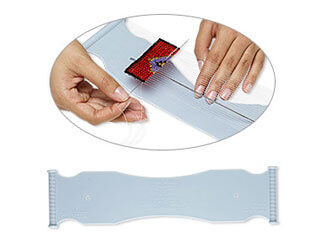
A frame designed to hold multiple strands of thread parallel. A piece of thread strung with seed beads is run between every other thread to create a pattern.
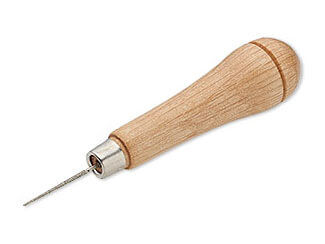
A manual or electric tool used to smooth or enlarge the drill hole in a bead. Specialized reamers are available for other materials. See Pearl Reamer.
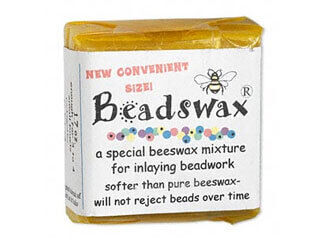
A mixture with a beeswax base, used for bead-based inlay work.
Weaving techniques adapted to create a flexible "fabric" out of seed beads and thread using a needle and thread.
Seed beads are woven between the warp threads on a Beading Loom to create a design or pattern that becomes a flexible "fabric."
Wax used in beading to make the surface of a thread smooth and slightly sticky. This keeps fibers together and protects against fraying and water damage.

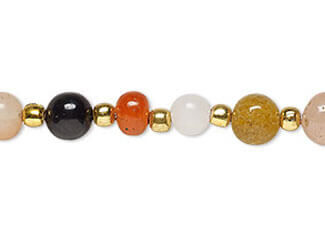
Multicolored agate necklaces worn in historical times by beggars, as it was commonly believed that agates attracted wealth.
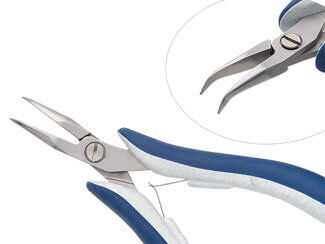
Chain-nose pliers with bent jaws, used to reach into tight places or odd angles. The bent tips allow access into all areas without blocking the line of vision.
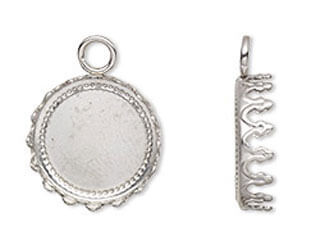
The metal groove or flange holding a gemstone in its setting, or the slanting face of a cut gem.
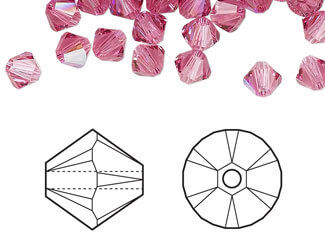
A bead shape, most commonly seen in Crystal Passions®, of two cone shapes joined at the wide bases.
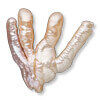
A cultured pearl originally non-nucleated, grown in a freshwater mussel from Lake Biwa in Japan. Only those actually produced there should be called Biwas.
A pearly excrescence formed inside of the shell of a mollusk (oyster) enclosing a foreign body, such as a bit of mud or parasite. Often irregular in shape.
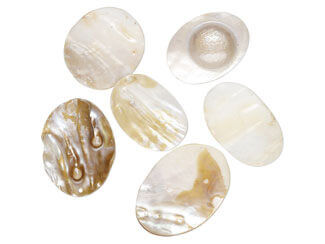
A necktie style popular in the American Southwest, created using a length of cord fastened with a clamping slide finding, and finished with metal bolo tip ends.

A clasp with a tab which is inserted into a decorative frame or box. Some styles come with safety latches or safety chains, which prevent the wedge-shaped tab from pulling out and the jewelry from dropping off. Some styles are accented with gemstones, enamel or inlay work. They are commonly used for lightweight necklaces, bracelets and anklets. Can include Bayonet Clasp, Bead Clasp and Filigree Clasp styles.
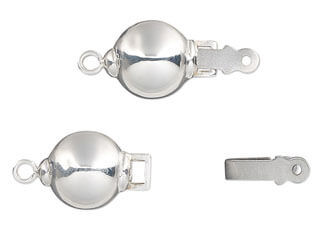
A box-like closed gem or stone setting.
A form of jewelry worn around the wrist created from leather, fibers, plastics or metals. Some bracelets are used for medical or identification purposes.
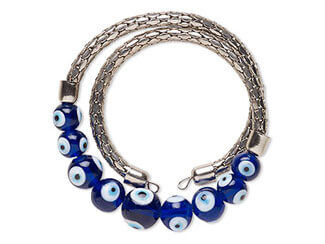
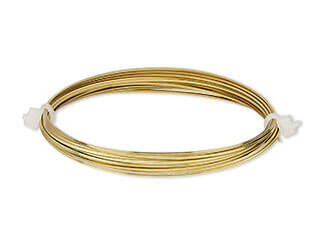
An alloy of copper and zinc which creates a metal with a bright gold-like color.
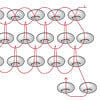
A popular bead weaving technique in jewelry making, brick stitch involves adding beads in
an offset pattern to create a flat, tightly woven fabric. This stitch resembles the layout of bricks in a wall, where each bead is positioned between two beads in the previous row. Brick stitch is versatile and can be used to create intricate patterns, shapes, and designs in bracelets, earrings, pendants and other beaded jewelry pieces. It is known for its durability and the ability to form both geometric and freeform designs.
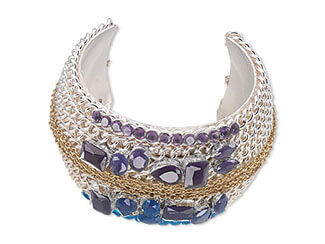
A category of jewelry generally thought of as the "bridge" between fine jewelry and costume jewelry. It may use vermeil, gold-filled or sterling silver metals and semi-precious stones such as amethyst, citrine, turquoise, jade, topaz, cultured freshwater pearls, garnet and others. Most bridge jewelry is artisan-made, but it can also be mass produced.
A briolette is an elongated, pear-shaped stone covered with bands of triangular or rectangular facets, usually with a pointed end and without a girdle.

An alloy of copper and tin which creates a metal with a dark golden-brown color.
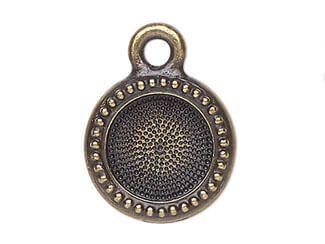
A finding used to convert a brooch into a pendant. Styles are available for horizontal or vertical pins.
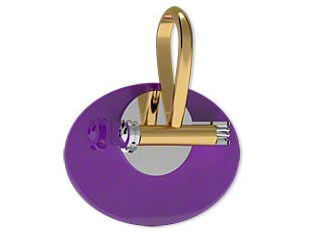
Brown-plated items have a polished copper core, dipped in a secret liquid brown compound. The items are then baked to fuse the coating into the metal.
Tube-shaped glass bead in the same scale as seed beads, and often created by the same manufacturers.

1mm satin cord.

A clasp made of a matched set of buttons, one with a loop of cord. The leather is looped around the other button to close the clasp.
An undrilled gemstone with a smooth rounded top and a flat back. A cabochon is not faceted.
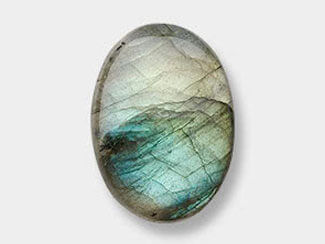
A carved gem or shell, in which the carved design stands out against a background of a different color.
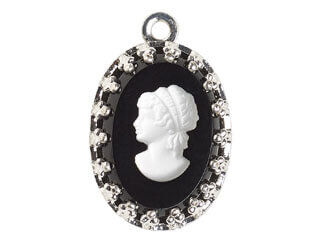
Beads resembling old-fashioned candy sticks. Small canes of colored glass are fused together to create a larger rod, then coated with clear glass and fired.
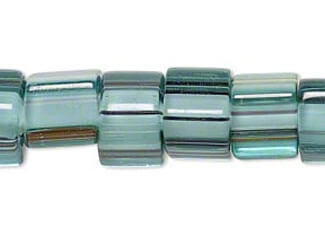
The unit of weight used for precious stones. One carat equals one-fifth of a gram. Also a measurement of fitness in gold. Pure gold is expressed as 24Kt.The term ''carat'' dates back to the traders of the ancient world.
A type of steel that contains carbon, with other alloys making up a trace portion. This term is also used generically to refer to steel that's not stainless.
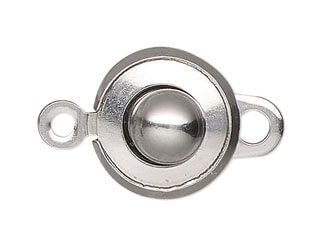
(also called Fiber Optic Glass) Created with manmade fiber optic glass, cat's eye refracts light in a way reminiscent of the oblong center of a cat's eye. This center appearance of movement is caused by chatoyance, which is defined as changeable luster or shine.
 .jpeg)
Made by pressing glass into a steel mold, coating with color, then grinding and polishing every facet. The color coating remains on the ends of the beads.

Thermoplastic material that was commonly used in jewelry before the invention of injection molding. Now used to simulate tortoiseshell.
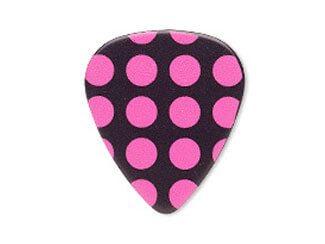
The use of Ceylon before a bead color name indicates the addition of a luster coating or the inside coloring of an opalescent bead.
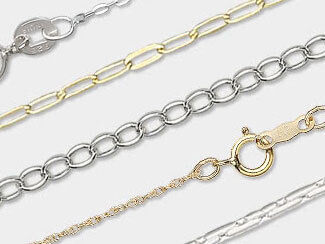
A series of connected links, typically made of metal.
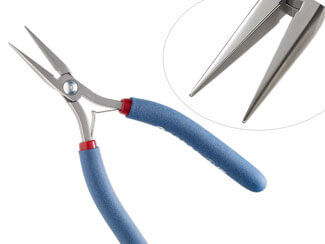
Pliers with flat gripping surfaces, used to reach into tight places, at difficult angles, to grip components, bend wire and stabilize a design while working.
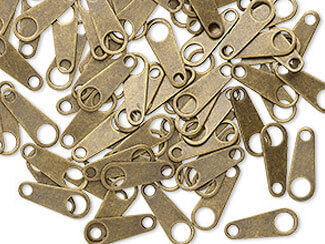
A small, flat metal finding that is often hung on a piece of precious-metal jewelry and stamped as a "tag" identifying the precious metal content.
Various types of colored quartz, usually with a milky appearance, including carnelian, agate, cat's eye and jasper.
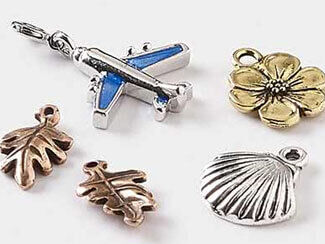
Small ornaments worn as pendants or on bracelets.
A chain, pin or clasp worn at a woman's waist, to which trinkets, keys or other articles are attached. Also used for pins with two figures linked by a chain.
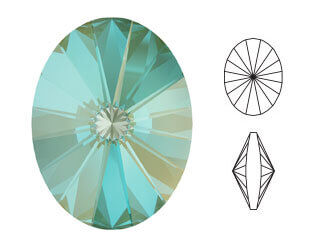
A particular shape of cut glass or crystal, most commonly known as Crystal Passions® rhinestones. A chaton has a faceted, pavillion-shaped (pointed) bottom.
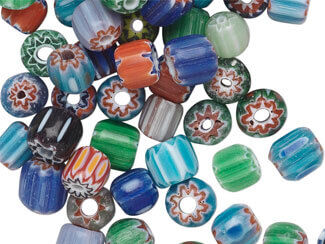
Learn about chevron beads (also called rosetta beads or star beads). Explore their origins, evolution, and cultural significance in this enlightening article.
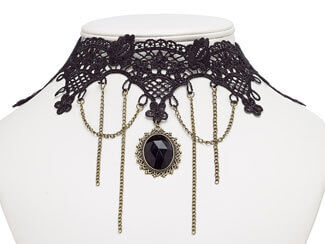
A tight-fitting necklace that is worn close to the base of the neck. May be plain or with pendants or ornamentation. Measures approximately 16 to 18 inches.
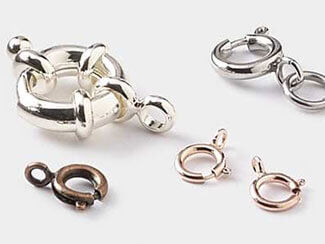
A fastener that connects two or more ends of a piece of jewelry together. Clasps can be utilitarian and purely functional, or embellished design elements.
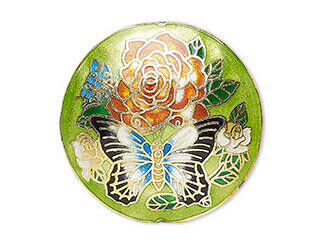
Enamel with surface decorations set in hollows formed by strips of wire welded to a metal plate.
A bead created using coiled wire. Some styles can be pinched like a crimp bead.
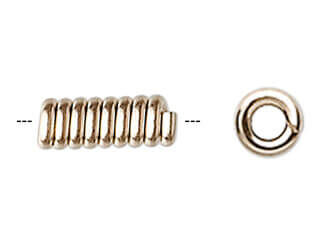
(see also Cord Coil) A wire coil bead with an end loop.
A broad, choker-like necklace of three or more strands that fit snugly on the neck. Length is 14 to 17 inches. Known as a plaque de cou if it has a front clasp.

A smaller, self-contained part used in jewelry-making and beading.
Necklace terminator or beading finding used to bring multiple strands together at one point to attach a clasp or be part of the design.

A thin, flexible length of twisted fibers.

(see also Coil End) A wire coil bead with an end loop.
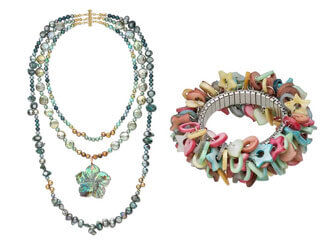
A category of jewelry is generally thought of as jewelry made from base metals, glass, plastics and other synthetics. It may also be comprised of shell, wood and other organic materials. Costume jewelry can be artisan-made or mass produced.
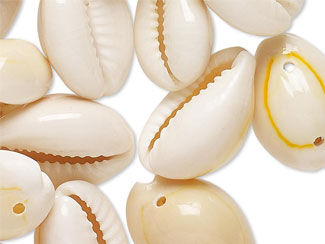
A shell, commonly white but also available in colors and patterns, which is smooth and glossy with a long, narrow, slit-like opening.
A metal bead or short metal tube used with all beading wires and some beading cords to secure the beginning and to finish the end of a strand.
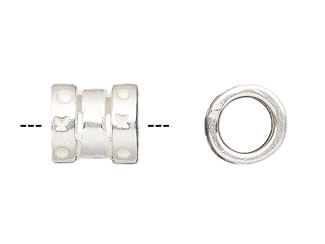
A metal bead or short metal tube used with all beading wires and some beading cords to secure the beginning and finish the end of a strand.
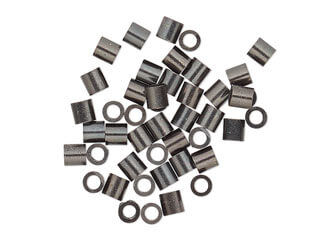
Has structural crimps for attaching to the end of beading wire or cord with Crimping Pliers. Can include Hook-and-Eye, Lobster Claw and Magnetic Clasp styles.
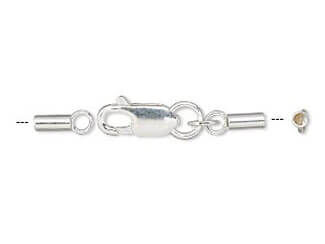
Pliers with a grooved opening for folding, rolling and smoothing crimp beads and tubes. Crimping pliers create a smooth, rounded or curved crimp.

A metal bead or short metal tube used with all beading wires and some beading cords to secure the beginning and finish the end of a strand.

A bead cut from a tube of glass or plastic, then tumbled and polished to smooth the edges. Used on cornrow braids, fringe and in Native American styles.
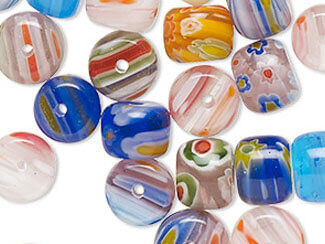
A material made by adding lead oxide to molten glass. Crystal glass has high density and refraction, creating brilliant sparkle. Also leaded crystal or glass.
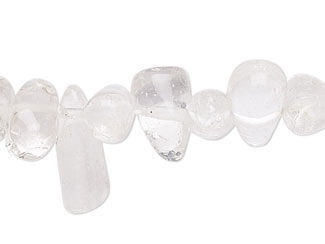
(see also Quartz Crystal) Naturally occurring quartz in its clear or colorless form.
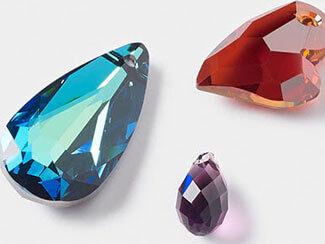
A brand name for leaded crystal glass. Crystal Passions® products are renowned for their color, brilliance and high quality.
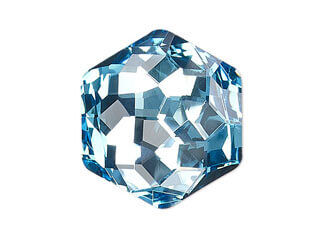
Synthetic gemstone developed in 1977 to simulate a diamond.
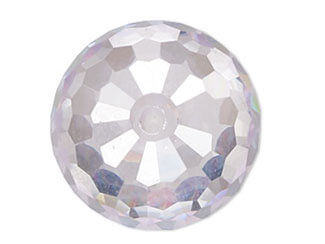
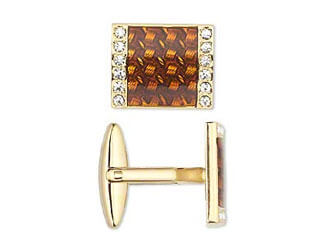
A decorative closure used to fasten the two sides of a man's dress shirt sleeve. The finding is often hidden by a cabochon, carving or other design motif.
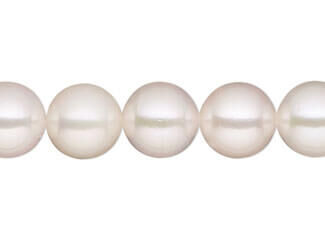
Pearls created by a farmer, who inserts a "seed" of mother-of-pearl into a saltwater oyster. The oyster coats the seed with layers of nacre, creating a pearl.
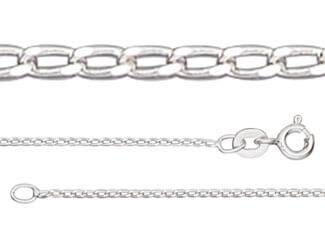
A form of chain with oval links that have been twisted, so that the entire chain lays flat.
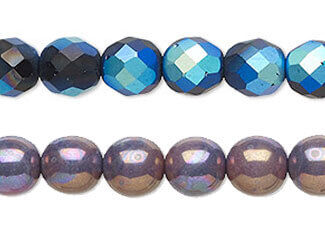
Glass, usually in the form of beads, created in the Czech Republic. Also called Bohemian glass or Bohemian crystal.
A term used for wire that is extremely malleable and can be bent easily into a myriad of shapes.
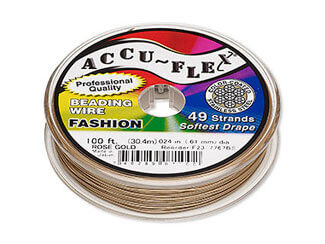
Explore the rich origins and meticulous manufacturing process behind Delica® seed beads.
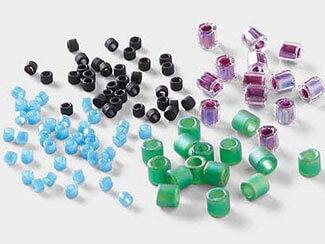
A glass material containing ultra-thin layers of metal oxides. The micro-layers create different layers and patterns of light refraction within the glass.
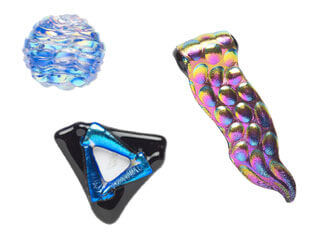
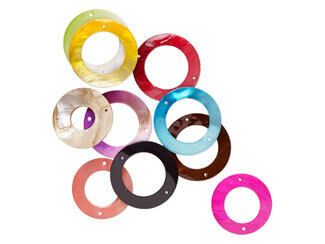
A flat component with a large center hole, usually round. Named after the pastry doughnut, the donut component is often used as a centerpiece.
A component that dangles from another component or the jewelry's body. A drop has one top loop or hole and any range of bottom loops or holes, including none.
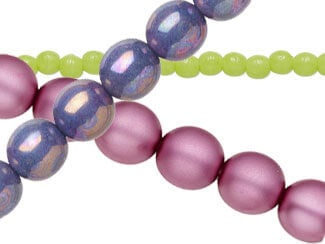
A high-quality round pressed glass bead imported directly from the Czech Republic.
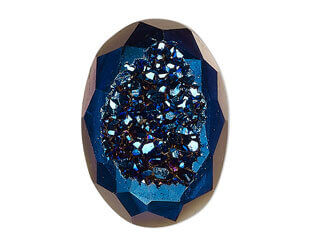
Name given to a layer of tiny quartz crystals which have formed on a gemstone.
Brushing a metal surface, sometimes with a matting punch or powder, to give it a duller (matte) finish.

A half-circle band or ring of metal pinched around the side or middle edge of the ear. Some styles have a dangle or a chain to an earstud on the same ear.
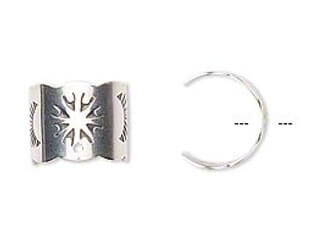
A finding, usually metal, used to create ear jewelry. The post or stud passes through the ear, and is secured by an earnut on the back. Also see Earstud.
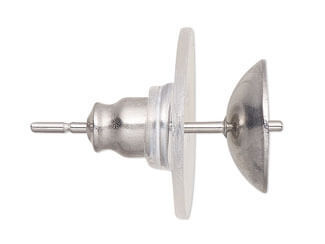
A finding, usually metal, used to create ear jewelry. The post or stud passes through the ear, and is secured by an earnut on the back. Also see Earpost.
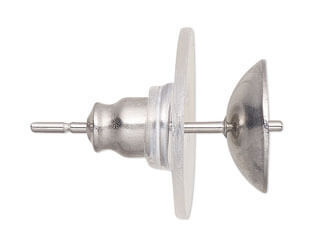
An earring form consisting of a short post with attached chain. The post serves as a "needle," allowing the chain to be threaded front-to-back through the ear.

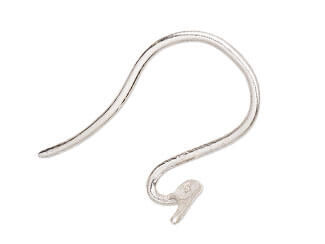
A thin piece of wire used to support ear jewelry. Ear wires come in many styles. The fishhook is popular often with a ball or coil to balance the finding.
Coating a metal surface by means of electrolysis. The amount of electroplate on an object is measured in microns (one micron = 0.001mm).

The process of raising a domed design on the front of a piece of metal by beating it from behind with punches and a hammer.
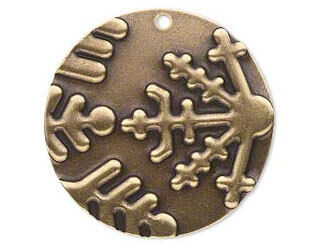
Colored, opaque glassy material fused onto metal, pottery or glass.

A finding which allows for a bead, component or stringing material to be inserted or otherwise attached inside it.
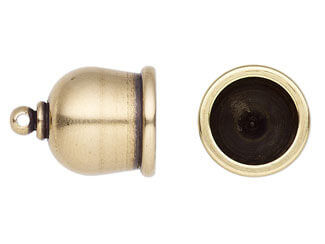
A pair of pliers with metal-cutting blades, ideal for cutting thicker posts, pegs or wires.

A pattern made by cutting away the surface of metal, wood or other surface.
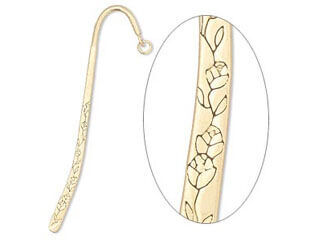
Decorated to resemble an eye, these beads date back to antiquity and have symbolic meanings. Often used in amulets.
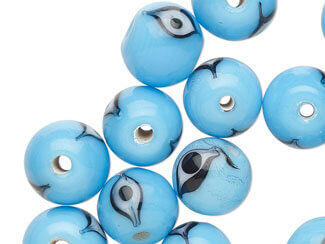
A length of wire, usually straight, with a pre-formed simple loop at one end.
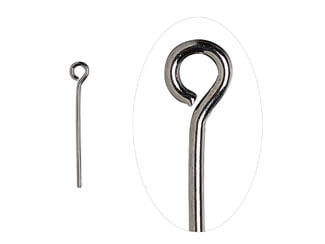
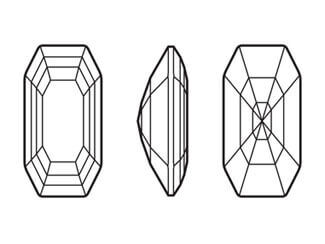
A flat surface or plane on a cut gemstone. The movement of light from one facet to another creates the sparkle and flash of a stone.
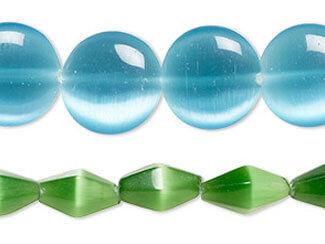
This glass gets its name from its similarity to Cat's Eye Quartz and the unique way the two materials refract light. Also called Cat's Eye Glass.
Lace-like ornamental work of fine gold or silver wire.
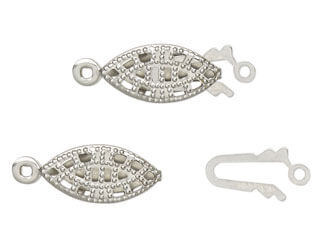
A clasp with an open, filigreed surface, like a metallic lace. Can include Box Clasp and Fishhook Clasp styles.
A jewelry-making term for any metal component used to connect and/or assemble jewelry.
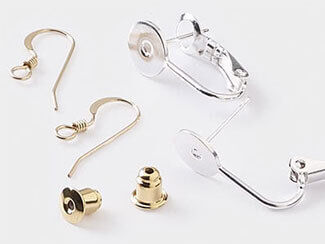
Fine jewelry is jewelry that uses at least 14Kt gold or other precious metals and precious gems like diamonds, sapphires, rubies or emeralds.

Fine silver is a high-purity form of silver, consisting of 99.9% pure silver, often denoted as .999 or 999. This means it contains only a minimal amount of impurities, typically 0.1% or less. Fine silver is known for its lustrous white appearance and high reflectivity, making it a popular choice for high-quality jewelry, coins and investment-grade bullion.

A process in which beads are machine faceted, then polished by glazing inside a red-hot glass oven. This softens the edges and gives the beads a smooth feel.
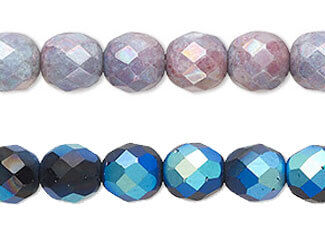
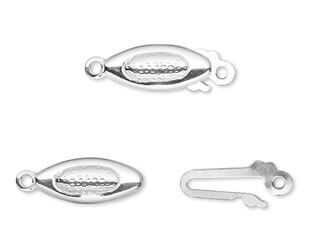
A lightweight clasp with a fishhook-shaped interior hook which is inserted into an oval box. The hook stops jewelry from falling off if the clasps are opened.
Begin with a foundation row of even-count ladder stitch. String 2 beads, pass down through the second to last bead in the ladder, and up through the next bead. String 2 beads, pass down the next bead and then up through the following. Repeat to the end of the row. To end the row, pass back through the last bead strung. To begin the next row, string 2 beads and pass down through the second to last bead of the previous row. Repeat, stringing 2 beads per stitch and passing down then up through two beads of the previous row. The 2-bead stitch will cause the beads to angle-up in each row, like a herringbone fabric.
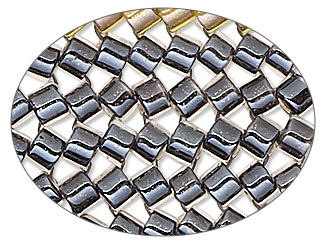
A pair of pliers with smooth, flat jaws, used to bend wire, stabilize beads and components, flatten wire, create sharp corners in wireworking and more.

One-drop peyote stitch begins by stringing an even number of beads to create the first two rows. Begin the third row by stringing one bead and passing through the second-to-last bead of the previous rows. String another bead and pass through the fourth-to-last bead of the previous rows. Continue adding one bead at a time, passing over every other bead of the previous rows.
Two-drop peyote stitch is worked the same as above, but with two beads at a time instead of one.
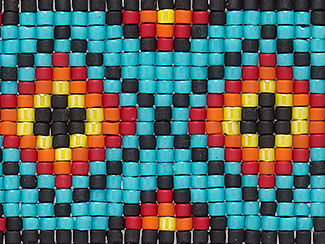
Pliers used to trim headpins, eyepins, wire-wrapping wire and cable-style beading wire. The outside surface of the curved blades creates a flat, flush cut.
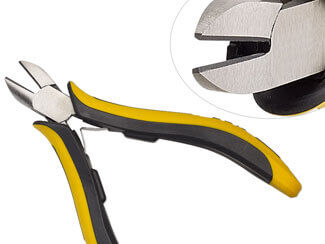
A liquid or paste used in metal soldering. Flux lowers the temperature of the metal surfaces to increase bonding and protect them from oxidization.

Any item that is used as the central element in a jewelry design. A focal is the main attention-getter, the "focal point." Sometimes referred to as a "station."

A thin leaf of metal placed behind a gem or stone to heighten its color or brilliance.
A low-profile clasp that is less likely to tangle or snag on clothes or hair than other styles. It folds shut, closing securely and locking with a quiet snap.
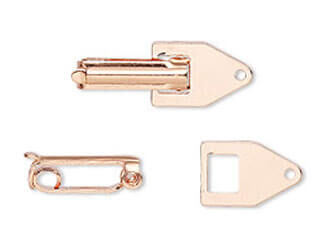
Tightly coiled, fine wire that forms a flexible tube. Used to conceal and protect stringing materials from abrasion by metal jewelry findings. Also bouillon.
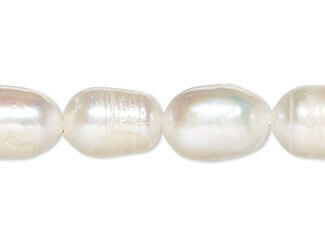
Pearls created by a farmer, who inserts a "seed" of mother-of-pearl into a freshwater oyster. The pearl oyster will coat the seed with nacre, creating a pearl.
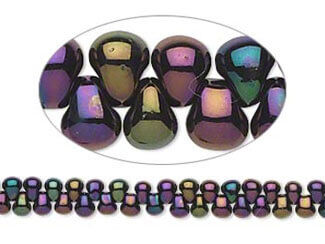
A mostly round drop bead, created by Miyuki of Japan. Perfect for edges and the termination of a row of beadwork.
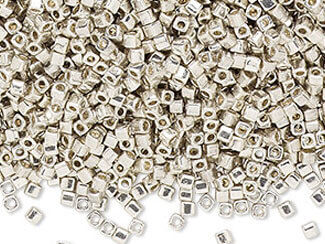
A bead which has been coated with a protective or decorative metallic coating.
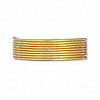
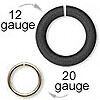
The measurement of the thickness of wire or metal sheet: the higher the number, the thinner the metal.
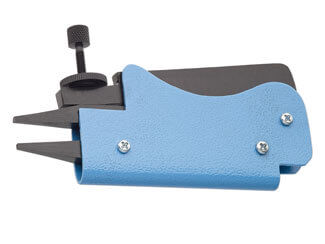
A pair of pliers used to set or tighten the prongs on gemstone settings. The structure of these pliers gives them and parallel jaws and exceptional leverage.
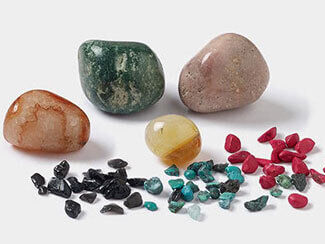
A piece of mineral which, when cut and polished, is used for jewelry, clothing or décor. Some gemstone material is organic, such as amber, jet and pearl.
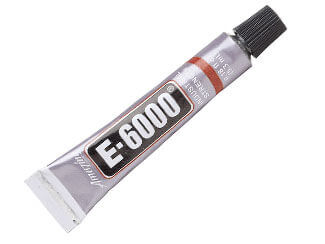
(see also Adhesive) A liquid, semi-liquid, gel or film that adheres or bonds items together. E-6000® and G-S Hypo cement are glues.
An electrolytic coating with gold or an alloy of at least 10% fineness to a minimum thickness throughout that is equivalent to seven millionths of an inch.
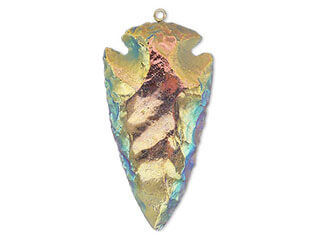
Explore the precise technical definition of "gold-filled" within this EncycloBEADia® entry.

Also called Gold Color or "washed." The base metal is brass or steel and the product is electroplated with a non-standardized thickness of gold.
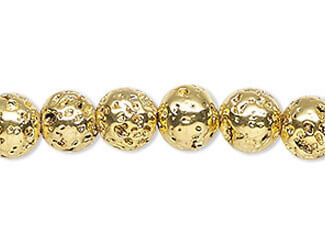
An alloy of zinc, tin and copper that results in a yellow the color of gold.

Items have an industry standard of .15 to .25 mils thickness of gold which is plated to the surface of the base metal.
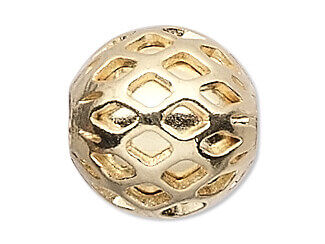
Intricate patterns are created through granulation. Tiny ball shapes are fashioned into patterns, heat fused, then carefully antiqued and polished.
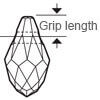
The depth of the grip range of an ice-pick bail. The grip length measures the distance of a stringing hole from the edge of a drilled focal.
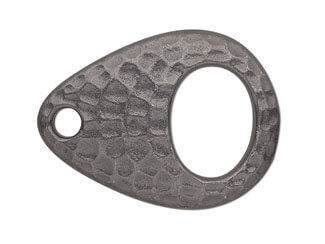
Discover "gunmetal": its origins, the inspiration for its name, and its role in jewelry making. Explore gunmetal and its versatile applications here.
A bead with a drill hole that only goes halfway through. Half-drilled beads are attached to various settings using a glue or other adhesive.

Giving metal surface marks and textures by hammering.

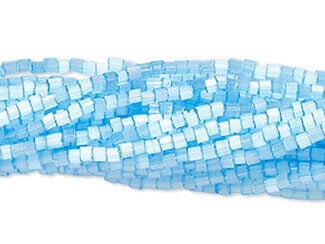
A grouping of multiple strands of beads tied together. Many forms of seed beads are sold this way, especially Czech seed beads.
A length of wire, usually straight, with one flattened or embellished end. The flattened end prevents beads from slipping off the end of the pin.

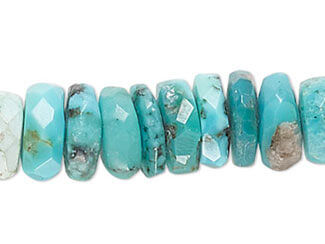
This Pueblo Indian term is synonymous with thin, uniform, disk-shaped shell, gemstone and metal beads that are center- drilled and strung in a row.
A manmade material resembling natural hematite, at significantly lower cost. Sometimes magnetized or used as a base for a variety of finishes and coatings.
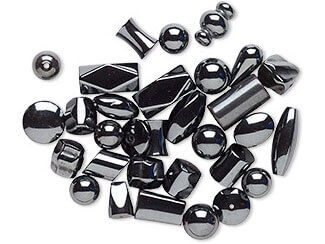
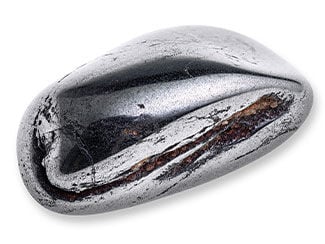
A gunmetal grey mineral form of iron oxide used in jewelry-making and décor objects. Sometimes magnetized. Believed to have metaphysical attributes.
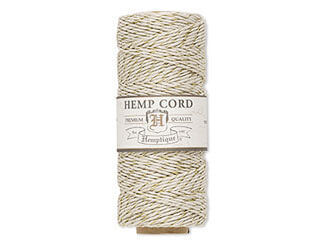
A cord made from the fibers of the industrial hemp plant and commonly used in jewelry. It knots easily, making it ideal for knotting or macramé projects.
A hexagon bead is usually a flat bead, with a drill hole that runs from one of the six sides through the middle of the flat bead to the side directly opposite.
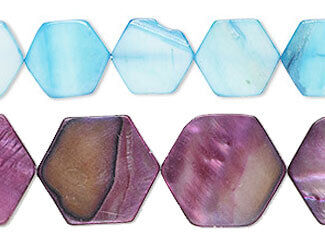
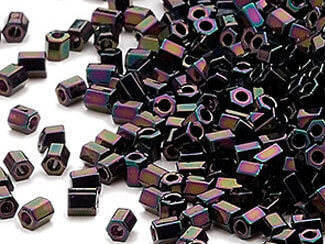
Seed bead with six sides, giving it a hexagonal shape. Available from many manufacturers, in a variety of colors, sizes and finishes.
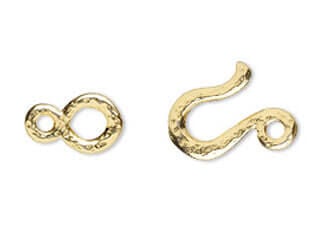
A clasp with a hook on one side and an open loop on the other. Can include Adjustable, Crimp, Hook-Style, Magnetic and Multi-Strand Clasp styles.
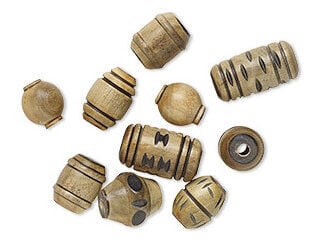
Bead and component material carved from the horns of animals like cattle and goats. Horn is a permanent growth on the head of an animal. Antler is shed yearly.
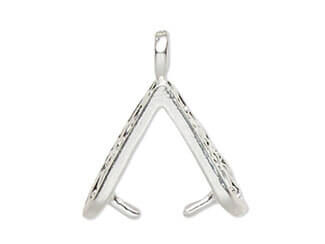
Similar to a prong bail, it will create a loop to attach a chain to when the prongs are closed into a cross-drilled pendant.
To set pieces of wood or ivory, for example, into a surface, usually at the same level, to form a design.
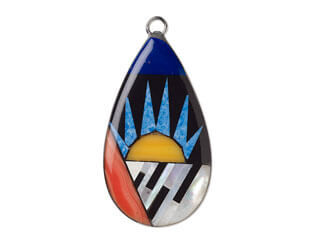
Decoration made by carving or engraving a design into a gem or other hard material. Intaglio is the opposite of cameo.

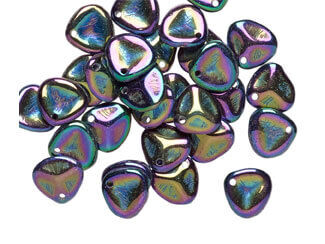
An iridescent color, coating or finish which creates a play of colors on its surface. Similar to AB finish, iris has a darker, shorter spectrum of color play.
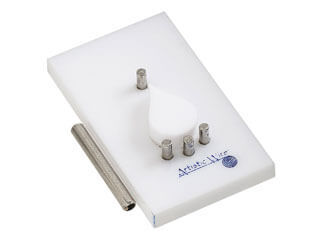
(usually Wire Jig or Wireworking Jig) A plate or frame with moveable pegs used for creating standardized and repeatable wire-based jewelry components.
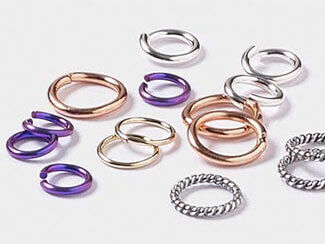
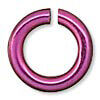
A piece of wire formed into a loop, usually round, and used to connect jewelry components. Jump rings are offered in round, oval, triangle, square and more.
Discover the essence of gold fineness through its standard measure—the karat.
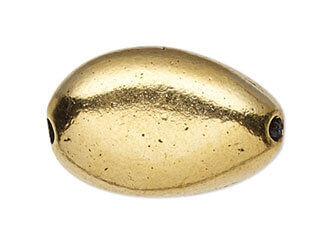
A synthetic fiber used in bulletproof vests and adapted to jewelry-making for its high strength in relation to its thickness. Resilient to changes in heat.
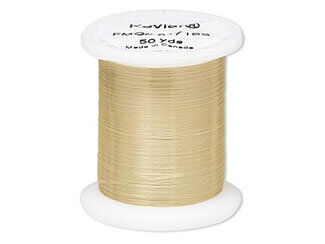
A type of earwire which loops through the ear and has a small hook on the bottom to latch the wire closed for added security.
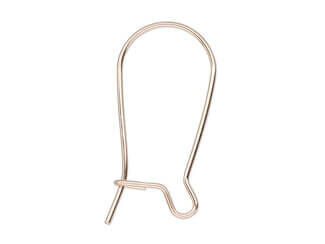
(the ''K'' is silent) The art of cleaving and shaping an object by chipping one stone against another hard object.

Using two needles, one threaded on each end of the thread, pass one needle through one or more beads from left to right and pass the other needle through the same beads from right to left. Continue adding beads by crisscrossing both needles through one bead at a time. Use this stitch to make strings of beads or as the foundation for brick stitch.
For a single-needle ladder, string 2 beads and pass through them again. String 1 bead. Pass through the last stitched bead and the one just strung. Repeat, adding one bead at a time and working in a figure-eight pattern.
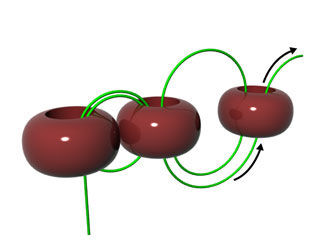
A type of glasswork, commonly seen in beads or focals, that uses a gas-fueled torch to melt glass rods and tubes of glass to create patterns and designs.
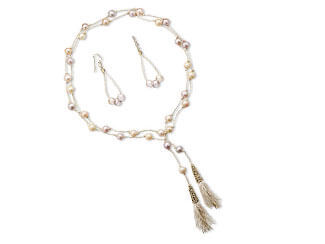
An open-ended necklace that is held together by a flexible element such as a drop or ring. Length is 48 inches or longer.
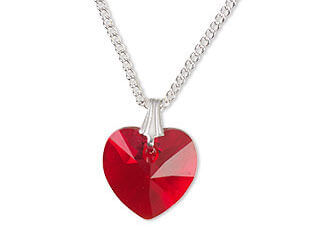
A pendant with one stone, suspended from a necklace.
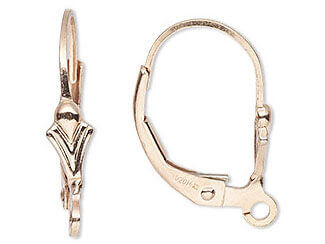
(also Hinged Earwire) A type of earwire which has a hinged locking mechanism at the bottom, for added security.
A component that connects one component to another, or to a single loop in a chain. A link has the same amount of loops or holes on each end.

A group of identical silver (or gold) tube beads strung in an uninterrupted group of strands. The jewelry created this way looks like flowing, liquid metal.
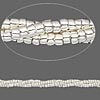
A sulfur- based oxidizing agent, used to create an antiqued finish on silver, copper and brass beads and components.
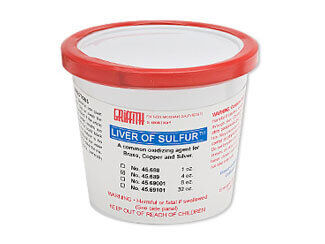
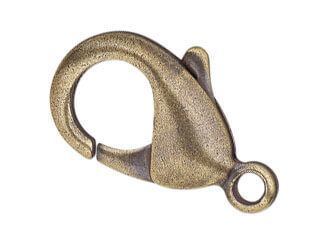
A self-closing clasp in the general shape of a lobster's claw. However, this spring-loaded clasp is available in a range of shapes, sizes and styles.
(see also Bead Weaving, On-Loom) The process of using seed beads woven between the warp threads on a Beading Loom, to create a design or pattern.
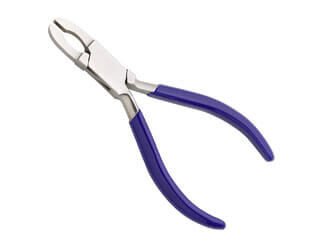
Pliers with an internal groove, allowing for the curvature of varied loops. These pliers are used to smoothly close loops, jump rings, bracelet links and more.
Discover lost wax casting: a jewelry-making technique where a wax model is encased in plaster, melted away to form a mold and filled with metal.
How light interacts with a surface. Originally used for gemstones like pearl and opal, it's been expanded to include a glossy sheen on materials like glass.
A method of cord knotting that creates a rough, lace-like band. Commonly used in jewelry and décor, macramé popularly uses cotton, hemp, silk and leather cords.
A two-piece clasp with one or more magnets. The magnets hold the pieces of the clasp together. Can include Bead, Crimp, Hook-and-Eye and Snap Lock Clasp styles.

A set of beads used by Hindus and Buddhists for prayer and meditation, similar to a Catholic rosary. Mala sets are usually made of a loop of 108 beads.
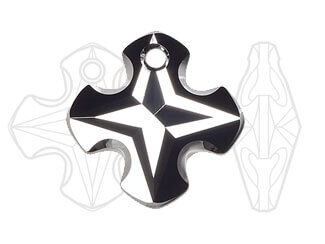
A cross with four broad arms of equal length, with tips that look like inward pointing arrowheads.
A broad bracelet in the form of a cuff.

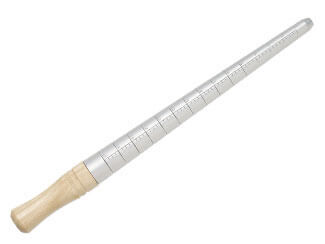
A wood or metal form used to shape metal into a desired shape and size, or to size rings or wrist bangles.
A single-strand necklace ranging from 20 to 25 inches in length.
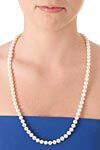
A dull finish, particularly on metals.

A steel wire which holds (remembers) its preformed shape. Memory wire jewelry does not require a clasp, using wire tension to keep jewelry on.

A unit of length equivalent to 0.001mm, used for measuring the thickness of electroplating.
Created by fusion of several glass rods arranged so that the cross-section creates a flower or pattern with a mosaic-like appearance.
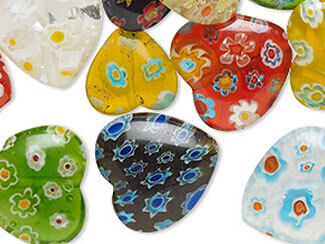
A scale ranging from one to ten, which rates the hardness of a gemstone or mineral in comparison with other minerals and gemstones.
An image or pattern created by using small colored pieces set in mortar.
A jewelry setting designed for the placement of faceted gemstones or cabochons.
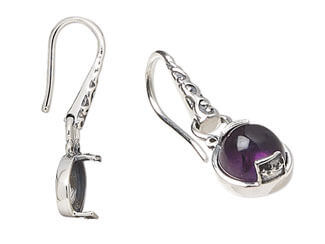
1.5mm satin cord.
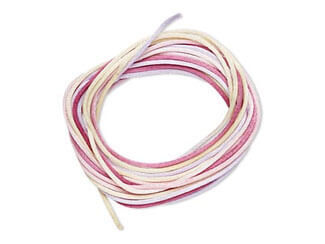
A clasp which secures jewelry with two or more strands. Some styles are accented with gemstones, enamel or inlay work. Can be called by a myriad of names.

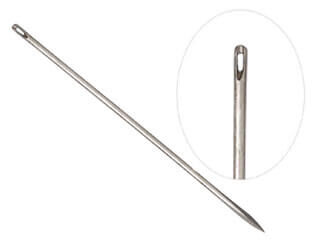
A length of metal with a small hole on one end used to draw stringing material through beads and components, or used to draw thread through textiles.
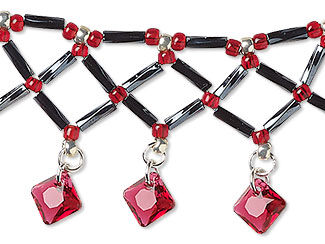
Begin by stringing a base row of 13 beads. String 5 beads and go back through the fifth bead from the end of the base row. String another 5 beads, skip 3 beads of the base row, and go back through the next. Repeat to the end of the row, passing through the fifth, fourth, and third beads of those just strung and exiting from the third. Turn the work over and go back across the same way.
A silver-white metal popular for plating because it is malleable and resists oxidation. The most common of metal allergies.
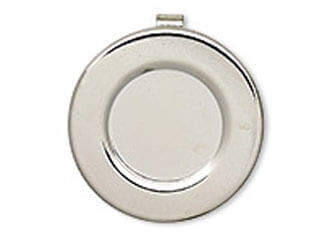
Items have an industry standard of .15 to .25 mils thickness of nickel which is plated to the surface of the base metal.
An alloy, mostly containing nickel, popularized in German and Native American jewelry. Nickel silver resembles sterling silver in color, with a greyer tone.
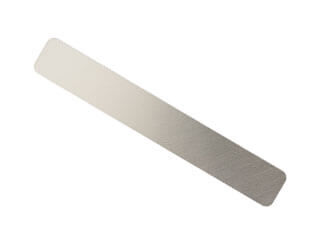
A hypoallergenic metal first made to protect space vehicles from extreme conditions. After manufacturing, the base metal niobium is anodized to create 6 colors.
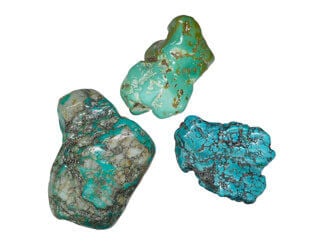
Large, tumbled freeform pieces of gemstone or glass.
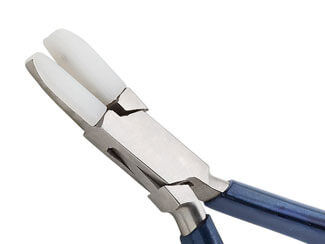
A pair of pliers with attached nylon contact surfaces. Ideal for gripping round, square, twisted, coated, plated and precious metal wires during wireworking.
Nylon beading thread produced by the Belding Corticelli Company. Extremely fine thread popularly used in seed bead on-loom and off-loom bead weaving projects.

A type of neckwire where bands or links of metal are assembled on a wire or woven mesh for structure, for a flexible design. Also called Omega Necklace.

An especially long strand necklace. Length is 26 to 36 inches.

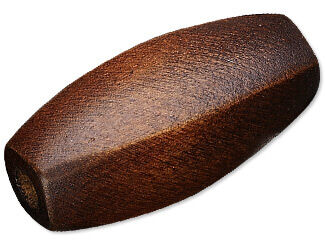
Refers to a bead made of a carbon-based material. Many jewelry-making components composed of pearl, wood, bone, horn and shell fall into this category.
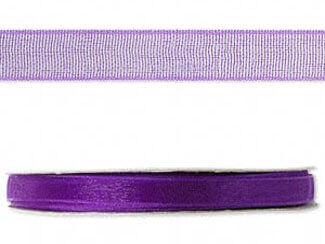
Ribbon woven in a sheer fabric in a variety of colors.
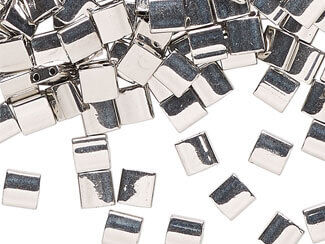
The process by which the outermost layer of metal changes in color and consistency due to exposure to oxygen, creating a Patina.
Palladium is a dense and lustrous, precious white-silver metal. A cousin of the platinum metal group, this rare metal is popular for fine metal jewelry.
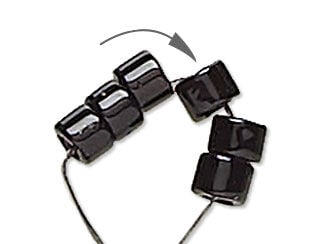
Pass through means to move your needle in the same direction that the beads have been strung. Pass back through means to move your needle in the opposite direction.
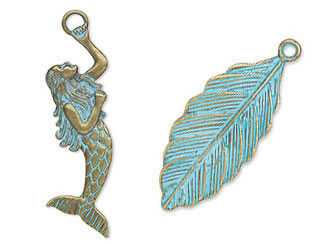
The coloration that occurs in certain metals when they are exposed at length to the atmosphere. Can be greenish or reddish depending on the type of metal.
The method of setting stones very close together so that very little metal shows between them.
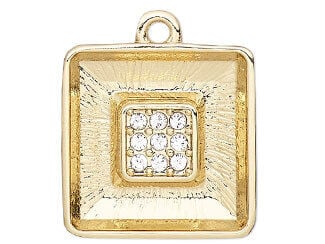
Pearls created by a farmer, who inserts a "seed" of mother-of-pearl into a freshwater oyster. The pearl oyster will coat the seed with nacre, creating a pearl.
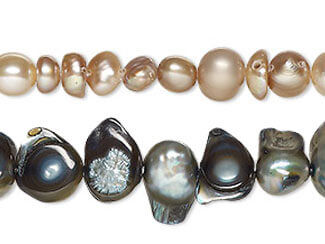
Explore the mystery of pearl essence and its origins in this enlightening entry from the EncycloBEADia®.
A specialized file or hand drill used to complete or widen the drill hole in pearls.

An ornament suspended from a single chain.

A metal alloy that is largely made from tin with trace elements, like copper or antimony added for hardness. Older or classic pewter contains tin while lower grades of pewter may contain lead or zinc and have a darker silver-grey color. Newer or modern pewter uses antimony or bismuth rather than lead.
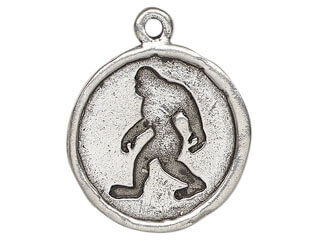
An off-loom bead-weaving technique used by many cultures, in which beads are woven in a zigzag. Peyote stitch has both flat and tube-shaped variations.

A liquid applied to a metal surface that removes surface impurities (such as stains, scale, rust and more).
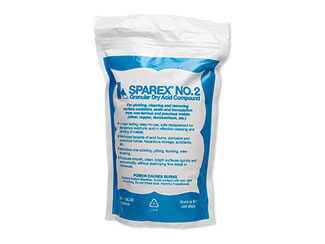
Learn about plated metals: what they are, why they're used in jewelry, and how to take care of them so they stay looking their best.
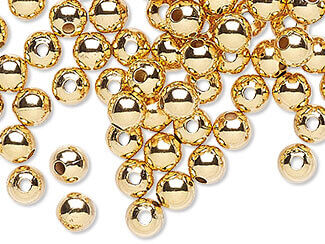
A rare grey-white metal (and element) used in jewelry. It is resistant to tarnish and wear-and-tear.
A precision hand tool used for a variety of purposes in jewelry-making: to hold objects firmly, to cut or bend wire, to crimp or flatten components and others.
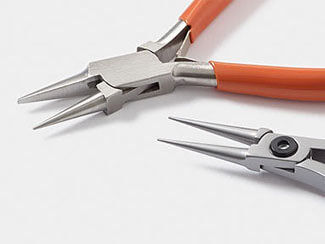
The process in the last stage of metal finishing in which a rotating instrument is dipped in a polishing substance. Increases shine and eliminates flaws.
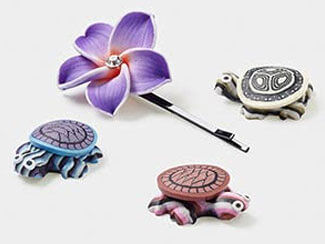
A plastic sculpting material made of polyvinyl chloride (PVC), used to create jewelry beads and components.
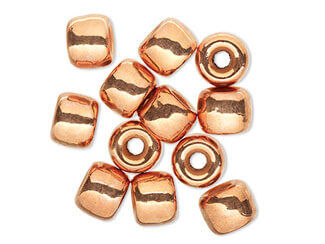
A bead cut from a tube of glass or plastic, then tumbled and polished to smooth the edges. Used on cornrow braids, fringe and in Native American styles.
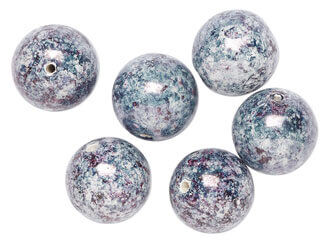
Created from ceramic material and fired at a high temperature, leading to a stronger and tougher bead or component.
A piece of broken pottery.
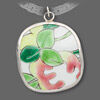
Rare and costly gems: diamonds, emeralds, rubies and sapphires.
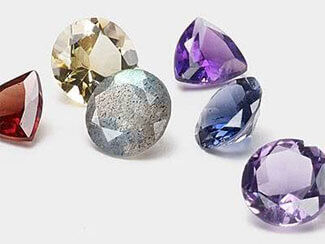
A 17- to 19-inch length necklace.
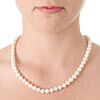
A finding used to attach a chain to a cross-drilled pendant.
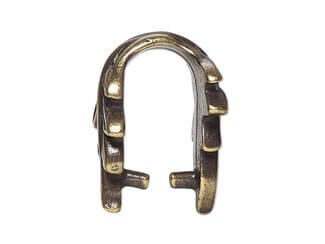
A technique used in metalworking used to harden steel by immersing in air, oil, water or brine (salt water).
2mm satin cord.
Patterns or decorations achieved with punches or chasing hammers.
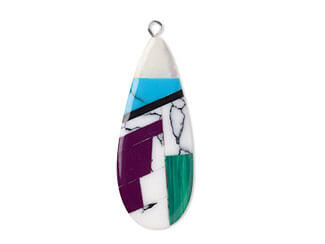
A solid or semi-solid organic (carbon based) material, either natural or synthetic. In general, non-soluble in water.
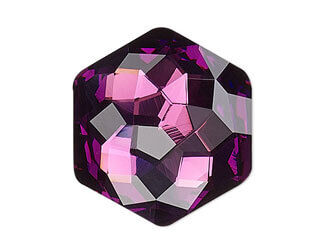
Originally quartz sourced along the Rhine. Today, it means colorless potash-and-lead glass that contains lead crystal quartz. Also called strass, diamante.
An expensive whitish-gray metallic element from the platinum family.
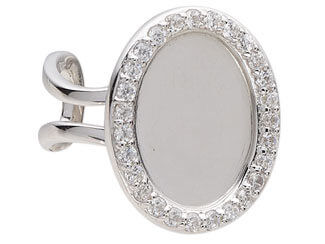
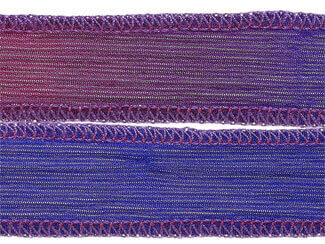
A thin band of flexible material, usually fabric or leather, used for binding and tying. In jewelry-making, ribbon is used for stringing, embellishment and more.
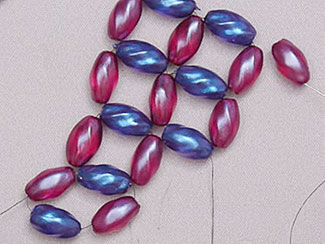
Using two needles, one on each end of the thread, string three beads on one of the needles and slide them to the center of the thread. String a fourth bead, passing one needle through from left to right and passing the other needle through from right to left. String one bead with each needle, then pick up one more bead and pass one needle through from left to right and pass the other needle through from right to left. Continue for desired length of row. To work the next row, repeat as for the first row, stringing new beads only onto the right thread and passing back through beads from the first row with the left thread.
To make a row-end decrease, simply stop your row short and begin a new row.
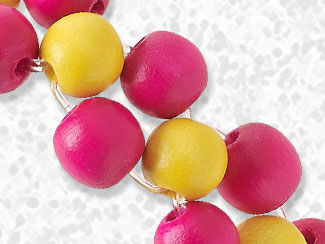
The right angle weave (RAW) is a basic jewelry-making stitch often used with seed beads and crystal beads. String 4 beads and pass through them again to form the first unit. For the rest of the row, string 3 beads, pass through the last bead passed through in the previous unit, and the first two just strung; the thread path will resemble a figure-8, alternating directions with each unit. To begin the next row, pass through the last 3 beads strung to exit the side of the last unit. String 3 beads, pass through the last bead passed through, and the first bead just strung. *String 2 beads, pass through the next edge bead of the previous row, the last bead passed through in the previous unit, and the last 2 beads just strung. Pass through the next edge bead of the previous row, string 2 beads, pass through the last bead of the previous unit, the edge bead just passed through, and the first bead just strung. Repeat from * to complete the row then begin a new row as before.
Necklace of stones, either all the same size or graded from a large central stone.
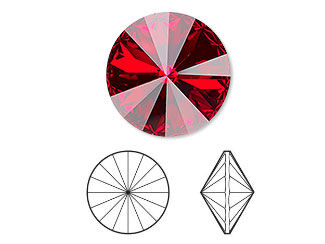
A round crystal component which is faceted to a point on both sides.
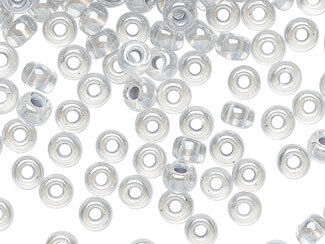
Rocaille seed beads are small, rounded beads perfect for adding texture and color to jewelry. With a variety of sizes and finishes, they’re ideal for creating everything from delicate necklaces to bold statement pieces.
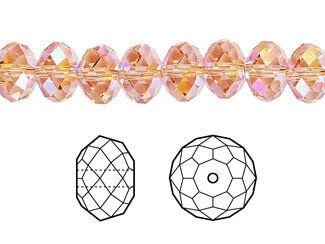
A flat or disc-shaped bead. Typically round, rondelles are also available in square or triangular shapes.
Long, single-strand continuous necklace, 37 inches or longer.
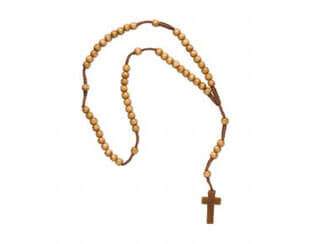
A particular configuration of beads and components used in the Roman Catholic religious belief.
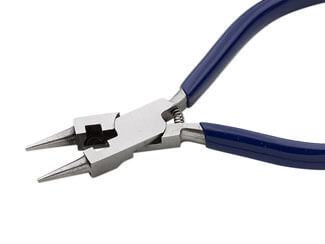
Pliers created by blending Round-Nose Pliers with Side-Cutting Pliers. Round-Nose Pliers create round loops and curves. Side-Cutting Pliers cut wire smoothly.
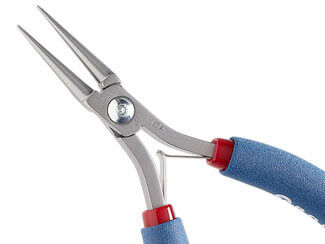
A pair of pliers with round jaws, used to create curves and loops in a range of diameters in headpins, eyepins and other metal wire.
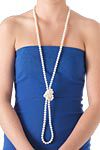
Pearls created by a farmer, who inserts a "seed" of mother-of-pearl into a saltwater oyster. The oyster coats the seed with layers of nacre, creating a pearl.
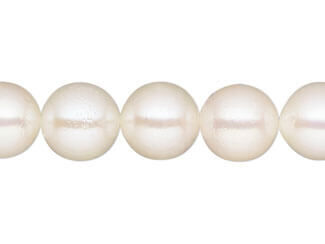
A form of weaving that creates a material with a glossy surface and a matte back. Commonly used in formal dress material, ribbon and cording.
A long necklace, usually made of pearls or beads and often ending in a tassel. Popularized in the 1920s.

Uncover the profound symbolism of the scarab, an ancient emblem revered for millennia to embody soulful concepts and spiritual significance.
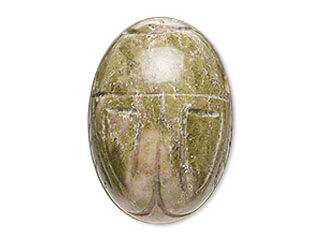
A small pin usually a bird, insect, or flower worn in groups. Popular in the 1950s.
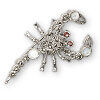
A low-profile clasp with a threaded closure, which is twisted or screwed to open and to close. See also Bead, Barrel and Torpedo Clasp styles.
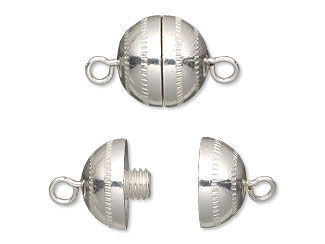
A type of crimp finding featuring a screw inside the barrel that securely holds beading wire when tightened, for easy adjustability.
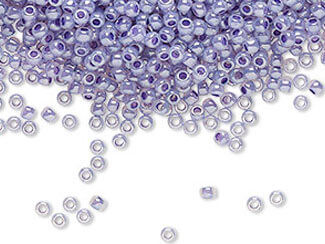
A uniformly shaped significantly small bead used for beading and jewelry-making. Seed beads are available in a myriad of colors, finishes and sizes.
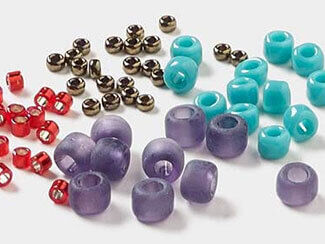
Natural stones that generally have a lower value than precious stones, including amethyst, aventurine, carnelian, garnet, opal, rose quartz and others.
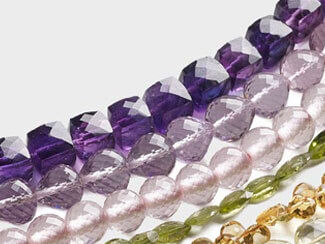
A frame, container or cage designed for the placement of faceted gemstones or cabochons.
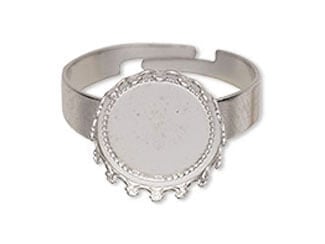
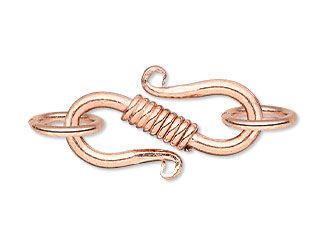
A double-ended clasp shaped like an "S." Available in many sizes and styles, some with two rings. Pinch or pull the arm of the "S" to close or open the clasp.
Three different scales ranging from 10-100 for measuring the resistance of gels, rubbers and plastics to indentation.
A mechanical bonding with a silver alloy of at least 92.5% fineness, which must be at least 1/20th of the metal in the piece. Also called silver overlay.
Also called Silver Color or "washed." The base metal is brass or steel and the product is electroplated with a non-standardized thickness of silver.
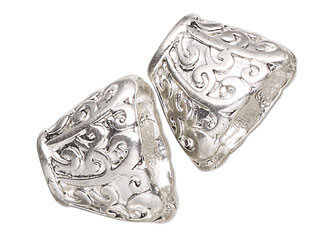
A fine silver film deposited on a base metal by electrolysis, in the same kind of electrically-charged bath used to make gold electroplate.
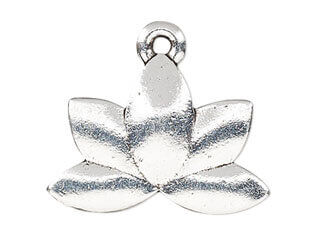
A fine silver film deposited on a base metal by electrolysis, in the same kind of electrically-charged bath used to make gold electroplate.
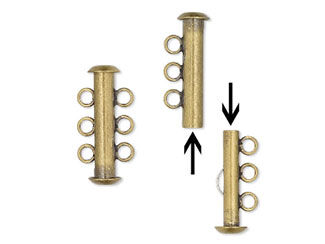
A clasp consisting of a set of tubes, one of which slides inside the other and locks into place. See also Multi-Strand Clasp.
A low-profile clasp that is less likely to tangle or snag on clothes or hair than other styles. It folds shut, closing securely and locking with a quiet snap.

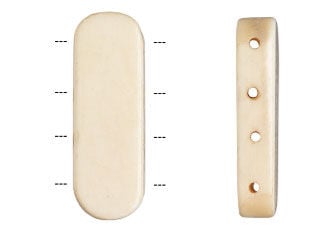
Jewelry finding used to hold multiple strands of beads in alignment and prevent tangling, are inserted at intervals while stringing the beads.
Double-wire ring findings, similar to those on a keychain, used to connect jewelry-making components. Stronger and bulkier than an equivalently sized jump ring.

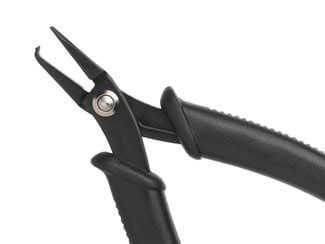
Pliers with a small hook on one tip, designed to open split rings just enough for use. The split ring can then close without distorting or warping the metal.
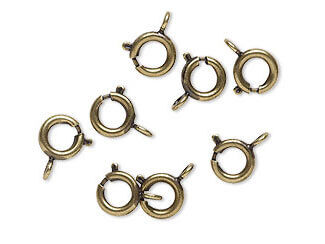
A popular spring-loaded clasp used with a jumpring or chain tab. It comes in a multitude of sizes, for single-strand to multi-strand designs.
Stabilization is the use of a colorless bonding agent (commonly plastic) with a porous gemstone to give it durability and improve appearance.
Get technical with stainless steel! Uncover its composition, delve into its myriad applications in jewelry- making, and explore the diverse varieties available.
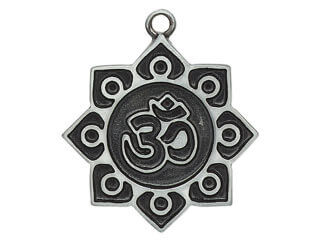
A pendant that is the focus of a design.
Items made of 92.5% pure silver and 7.5% copper or other alloy, proportions fixed by law. Sterling silver will "patina" in time, taking on an antique look.
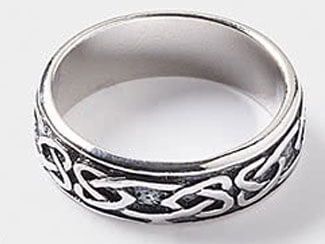
Made by combining an outer layer of sterling silver (.925/20) around a copper-alloy core. Completed with an anti-tarnish coating to preserve its beauty.
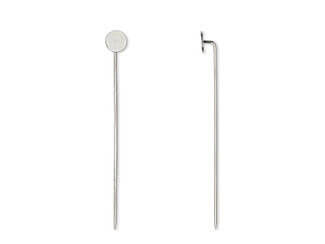
A straight pin worn vertically on a scarf or tie, which has some kind of ornamentation on the top. Explore Stick pin products.
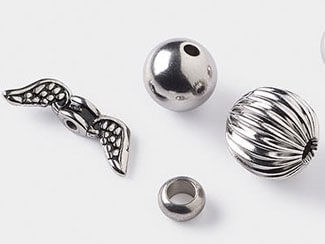
A technique in which beads are gathered on a strand. Beading wire, needle and thread and other materials are used for stringing.
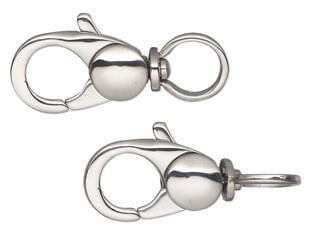
A form of the Lobster Claw Clasp. The swivel allows the design to twist 360 degrees while the clasp stays in place, so they are ideal for bracelets and anklets.
An easy-open clasp which closes by inserting a tab into a slot of the other half of the clasp. This style is held shut by the weight of the jewelry itself.

Jewelry constructed entirely of metal and without stones. Introduced by Alfred Phillippe, who drew for Trifari.
A heat treatment used for metals and glass. Tempering is used to toughen steel and change the breakage effect in glass.
A tension bead (or stopper bead) holds your work in place. To make one, string a bead larger than those you are working with, then pass through the bead one or more times, making sure not to split your thread. The bead will be able to slide along but will still provide tension to work against when you're beading the first two rows.
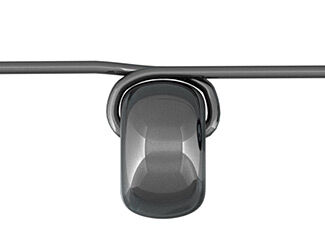
Bond to one end of a flat bulk chain to create a jumpring attachment.
A length of fine string composed of several fibers twisted or spun into a single strand. Thread can be made of natural or manmade fibers.
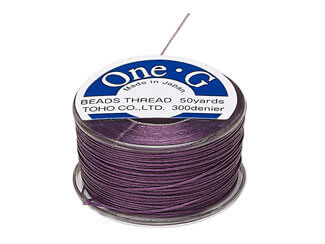
Unravel the secrets of Thread Heaven® and uncover how it can streamline your jewelry-making endeavors.
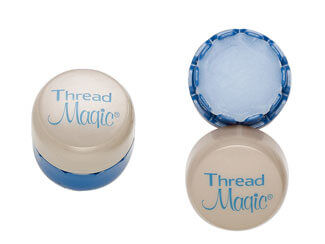
A braided stainless steel cable-style wire used for jewelry-making, with a nylon coating against corrosion, and stiff enough to be strung without a needle.

A pure metallic element, listed on the periodic table as Sn (an abbreviation of Stannum, which is Latin for tin). Tin resists oxidization and corrosion, so it is commonly used in metal jewelry components. It is found in alloys such as bronze or genuine pewter. Tin is also used as an anti-corrosion coating over steel, in solder and in some batteries.
Neutral gray, lightweight metal. After manufacturing into the desired shape, such as earposts, the base metal titanium can be anodized into six colors.

A style of clasp consisting of a loop (usually a circle, but sometimes other shapes such as stars, hearts or leaves); the other piece is a ''T'' shaped bar. The clasp is closed by pulling the ''T'' shaped bar through the open loop. Immensely popular and easy to use, the toggle clasp is available in almost infinite material options and in a variety of styles, weights and designs. They are commonly used for necklaces (especially lariat style), bracelets and anklets.
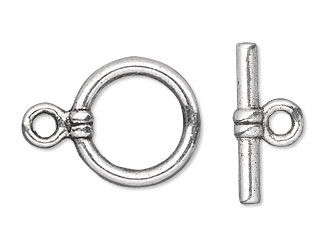
A low-profile clasp with a threaded closure, which is twisted or screwed to open and to close. See also Bead, Barrel and Screw Clasp styles.
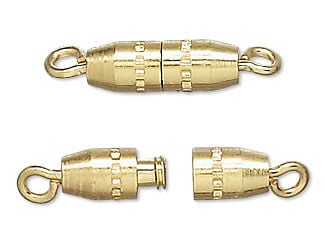
A popular choker-type, multi-strand necklace in which the strands twist around each other.
The "ounce" used for precious metals differs from the avoirdupois ounce, used for non-precious metal. One troy ounce = 31.1 g. One avoirdupois ounce = 28.4 g.
Begin with a foundation row of ladder stitch. Join the ends together to form a tube. String 2 beads. Pass down through the next bead and up through the bead after it. Repeat around the tube. At the end of the round, pass through the first beads of the previous and current rounds to step up to the new round.

String an even number of beads and make a foundation circle by passing through them two more times, exiting from the first bead strung. String 1 bead and pass through the third bead of the foundation circle. String 1 bead and pass through the fifth bead of the foundation circle. Continue adding 1 bead at a time, skipping over 1 bead of the first round, until you have added half the number of beads of the first round. Exit from the first bead of the second round. String1 bead, pass through the second bead added in the second round and pull thread tight. String 1 bead and pass through the third bead added in the second round. Continue around, filling in the ''spaces'' 1 bead at a time. Exit from the first bead added in each round.
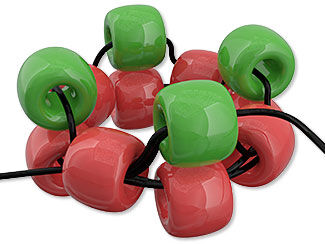
A hinged clasp which is hooked through each end of a continuous necklace, or opera-length pearl strand, changing it into a twisted choker necklace.

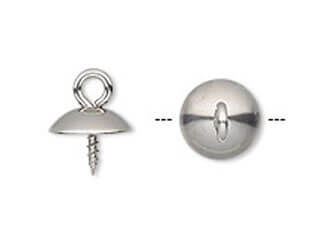
Finding that can be bonded to round bead or tumbled stone to add a loop and create a pendant.
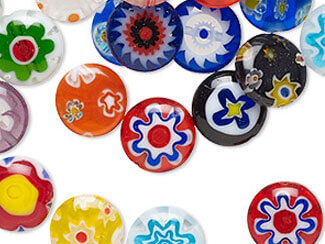
A glass bead in the style of the glass artists of Venice. Venetian glass beads are famous for their color, craftsmanship and quality. Also called Murano glass.
Vermeil items are made of sterling silver, electroplated with gold. Vermeil has an equivalent of 2-1/2 microns of 24Kt gold.
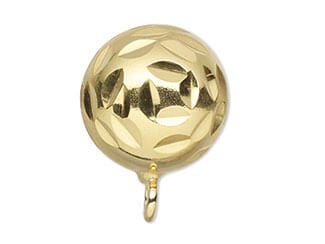
Vitrail is a translucent color-coating effect that is vacuum- sealed onto the reverse side of glass and crystal beads, creating a kaleidoscope of color.
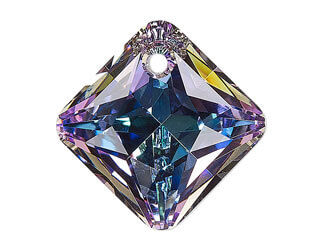
Alloys with heavy tin or lead content, such as pewter. Also called Britannia metal or tin plate. One of the most commonly used metals in costume jewelry.
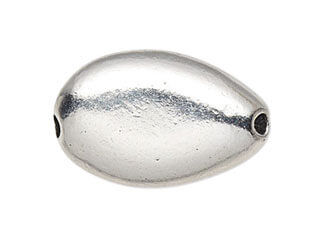
A horseshoe-shaped loop of metal used to protect beading wire, thread or cord from fraying through contact with metal components such as clasps or links.

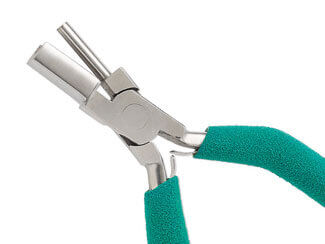
A pair of pliers with designed with a stepped round tip, in order to make consistent 4mm, 6mm and 8mm loops or jumprings.
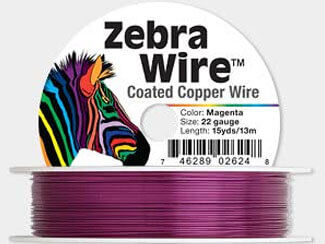
Delve into the world of Zebra Wire™ copper wire, exploring its production, applications, varieties and gain insights into its maintenance and care.
Zinc is a pure metallic element commonly used in metal jewelry components. Zinc is found in alloys such as brass or used as an anti-corrosion coating.
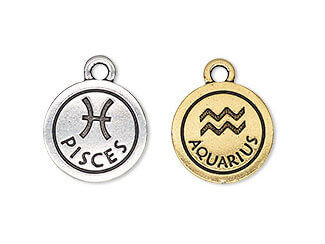
Discover the history of the signs of the zodiac in this informative EncycloBEADia® entry.

You supply the creativity, we supply everything else! ®