

Brooched Runway, Red Carpet and Other Trends

Once considered an accessory for formal occasions or rarely-worn family heirloom, the brooch has sashayed back in as one of fashion's most exciting, personalizable trends. From street style to the red carpet, brooches are experiencing a remarkable revival.
A History of Pinning Up
Brooches and pins have been worn for thousands of years, originally serving the practical purpose of fastening garments long before buttons entered the scene. Pins are the most common metal object found at archaeological sites; until the late 1700s, everyone had to use pins hold their clothing on, up or together. The term “pin money” comes from the need for ladies to purchase pins for holding their dresses in place and the clothing called a “pinafore” was originally pinned to the fore, or front, of a dress!
Different cultures displayed different features and embellishments to their pins and brooches, enabling historians and archaeologists to quickly identify who lived in a place and during what time. A Roman brooch, or fibula, looks very different from a Berber brooch, or tazerzit. While some pins and brooches were workaday items, others evolved into symbols of wealth, status and personal identity. These status symbols can display astonishing artistry, made of valuable metals such as bronze, silver or gold and embellished with enamel, gemstones, beadwork and more.
Even as fashion changes, the brooch abides, coming to the forefront again and again. In the 21st century, modern couture houses and fashionistas around the world are embracing the brooch’s ability to convey classic style, vintage elegance, bold contemporary trends and more. One of the reasons for the brooch's popularity is its incredible versatility. While the traditional blazer lapel remains a classic placement, today's fashion encourages experimentation in shape, embellishment and placement.

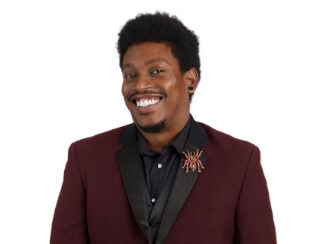

Brooches on the Runway
Now, there are always two arguments about the brooch: 1) that it’s back in fashion and 2) that it never left. Like other particular forms of jewelry, the brooch comes and goes in overall popularity, though it always has its loyalists. The late Queen Elizabeth II and former Secretary of State Madeleine Albright wore brooches to great effect, each boasting an impressive collection. For those women, brooches were part of personal style but not considered “fashionable.”
That’s changed.
Recent Fashion Weeks have indicated how the brooch has officially stepped out as one of fashion's defining accessories. Both womenswear and menswear lines have embraced decorative brooches and other pins as a path for adding personality, artistry and individuality to wardrobes of mostly mass-produced designs. Plus, after years of minimalist clothing collections dominating fashion, the maximalist outlook has seized upon brooches to represent expressive and personalized style.
Repeatedly on the runway, the resurgence of statement brooches are transforming otherwise simple garments into functional wardrobes. Today's brooches are combining beauty with functionality, rather than serving solely as decorative accents. Brooches are securing scarves, serving as closures for purses, keeping clothing snug at the wrists and throat. These pins are not just adding sparkle, but working as wearable pieces of art that personalize clothing and accessories:
- Armani incorporates lion-shaped brooches into softly tailored suits
- Conner Ives adds sparkling pins to sharply cut evening tailoring
- Chanel adorns iconic tweed jackets with abstract botanical designs
- Dior offsets structured suiting with beaded floral brooches
- Boucheron constructs transformable brooches that become shoulder ornaments, necklaces or body jewelry
- And more!
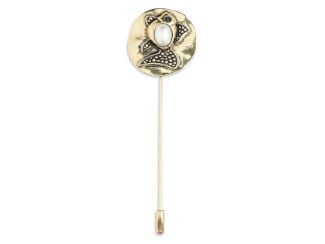

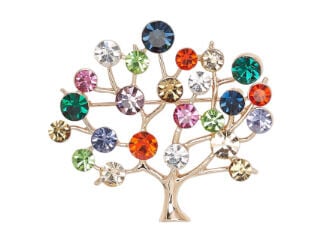
Men: The New Fanbase for Brooches
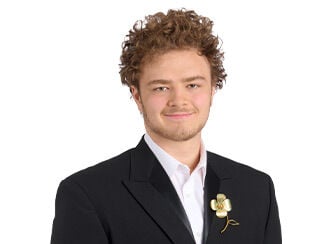
One of the most notable changes has been the dramatic rise of men's brooches. Red carpets for award shows across the entertainment fields showcased this expanded fanbase, with actors and musicians wearing everything from understated lapel pins to dramatic jeweled floral brooches: Robert Downey, Jr., Barry Keoghan, Matthew McConaughey, Tatanka Means, Teo Yoo and other gentlemen.
Beyond the tuxedo? Designers are now encouraging men to view brooches not simply as formal accessories but as personalized statements as individual as a man’s favorite boots or cap. Whether paired with formalwear, tailored suits, casual blazers, knitwear or overcoats, brooches provide the true individuality that men’s fashion has been missing out on for decades.
Men are wearing a range of brooch styles, including patriotic patterns, nature-inspired motifs, Art Deco designs, sculptural florals and other themes. Minimalist metallic pins offer understated sophistication, while larger gemstone or floral designs create bold statements for special occasions. Modern menswear has shown that brooches can be elegant, artistic, masculine or playful depending on the wearer's style.
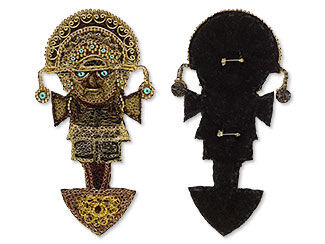
Brooches on the Red Carpet
While men's lapel brooches received most of the headlines during the 2026 awards season, women have been wearing brooches in more varied and inventive ways. Rather than wearing brooches as the men were, red carpet walkers were using brooches as architectural elements that finish, shape or personalize a look. Here are some of the ways women are wearing brooches on the red carpet.
- Brooches anywhere other than the lapel:
- On the shoulder - an elegant placement on gowns, mimicking how royalty secure their sashes of rank. This placement creates sparkle near the face without competing with statement necklaces or earrings. Options include:
- Pinning a large diamond or sculptural brooch where a strap meets the shoulder
- Accenting one-shoulder gowns
- Using a brooch to anchor draping or as the centerpoint of pleating
- As a dress closure - using brooches functionally rather than decoratively, echoing how brooches were originally worn as garment fasteners, but in a modern couture context. Options include:
- Gathering fabric at the sternum, waist or hip
- Closing the collar in place of a tie or necklace
- Securing an overskirt, train or scarf-like draping
- On outerwear - using brooches as both fastening mechanism and the statement jewel. Common use includes:
- Closing or adding an opera coat or a cape
- Accenting the center of a jaunty bolero or shrug
- Securing a shawl or stole
- Anywhere else - places brooches somewhere other than the upper body, aligning with the broader 2026 trend of treating brooches as styling tools rather than simply jewelry. Options include:
- On the waistband or fastening a sash
- At the base of the throat on a high-neck gown or securing a scarf
- At the hip or on a belt
- On hats, headbands, hair clips or fascinators
- On shoes, gloves or purses
- On the shoulder - an elegant placement on gowns, mimicking how royalty secure their sashes of rank. This placement creates sparkle near the face without competing with statement necklaces or earrings. Options include:
- Floral brooches worn as corsage replacements:
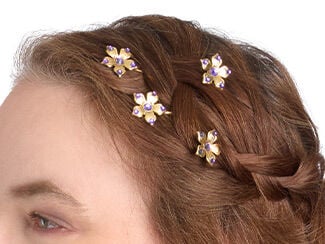
Large floral brooches are replacing fabric corsages, creating a couture feel without adding volume through fabric flowers. Oversized flower brooches are pinned:- On the center bust
- Near the collarbone
- In the hair
- Statement brooches worn to accent minimalist gowns:
One major styling philosophy is pairing an extremely austere dress with a single extraordinary jewel. In the past, that has included chandelier earrings, statement necklaces and wide cuff bracelets:- Featuring just one exceptional brooch as the focal point
- Replacing other statement jewels for a sleek, modern silhouette
- Multiple brooches worn together:
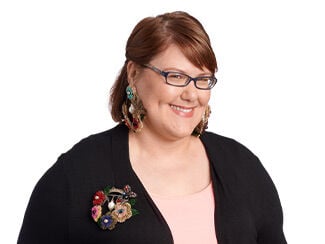
An alternative to the single statement brooch, some famous faces are wearing many smaller brooches or spot pins in arranged patterns. Fashion editors have noted that brooch multiplicity is one of the defining features of the current brooch revival, allowing wearers to tell a visual story through coordinated themes, colors or vintage collections. Options seen include:- Multiple small single diamonds arranged into a constellation
- Graduated floral brooches, or florals mixed with insects such as bees, butterflies and ladybugs
- Vintage pieces mixed with genuine antiques or with contemporary varieties
- Vintage and antique brooches worn in the limelight again:
Stylists are borrowing archival brooches from major jewelry houses because they often offer more sculptural impact than necklaces or bracelets. Many are transformable pieces that can also be worn as pendants or hair ornaments, offering options on the day of. Common styles include:- Art Deco diamond clips
- Mid-century modern floral sprays
- Ribbon designs and bow brooches
- Bird motifs
The dominant 2026 red carpet look for women is the brooch serving as a singular, almost sculptural, statement. Rather than a necklace, earrings, bracelets and other jewelry all vying for visual space, stylists are letting a single brooch define the outfit. The accessory is being used to create asymmetry, highlight draping, add individuality and be both functional and stylish, making it feel less like a vintage heirloom and more like an integral part of a garment's design.


Wedding Brooches
Brooches have become increasingly popular in weddings, adding sparkle, style and sentiment throughout the celebration. From pinning family brooches into boutonnieres, to adding some brand-new sparkle to veils, sashes, dress straps or waistlines. Entire bouquets can even be constructed from brooches, creating lasting keepsakes that become treasured family heirlooms.
Bridesmaids can wear coordinating brooches or display them in bouquets that later become thoughtful gifts. Reception décor also benefits from these versatile accessories, with brooches adorning centerpieces, ribbon-wrapped vases, candles and table decorations that beautifully reflect ambient lighting.


Brooch Trends
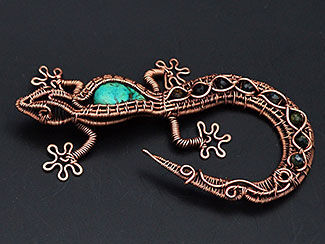
Current fashion embraces brooches as wearable works of art rather than simply decorative pins. This opens the door for handmade brooches to grow in popularity, as consumers seek unique accessories that reflect their personal style. Popular trends include:
- Oversized floral brooches
- Nature-inspired designs (birds, butterflies, bees, ladybugs, dragonflies and mushrooms)
- Whimsical food-inspired motifs (candy, fruit, baked goods and more)
- Celestial themes (stars, moons and constellations)
- Seasonal or holiday collections (autumn-inspired, Christmas, Halloween, Valentine's Day, Easter, etc.)
- Sculptural metallic designs
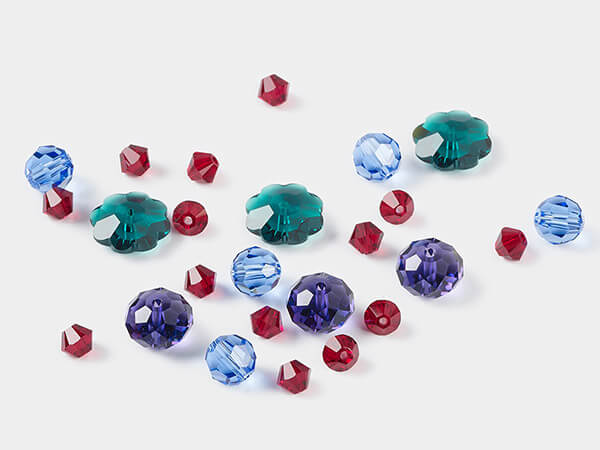
- Pearl and crystal embellished brooches
- Vintage-inspired Art Deco and Victorian styles
- Layered brooch clusters worn together for maximum impact
- Mixed-material brooches
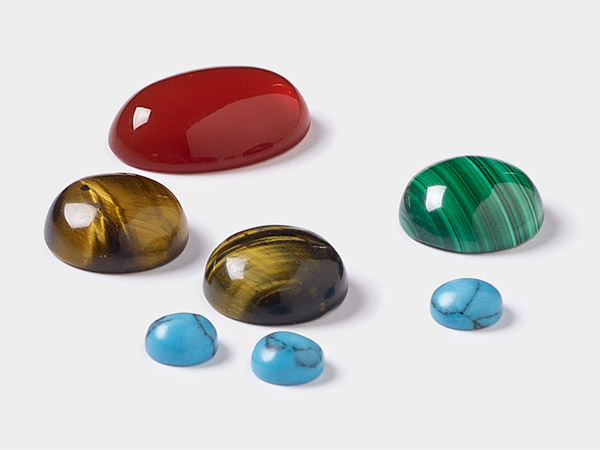
Mixed-material brooches are especially popular from handcrafting designers, combining elements as diverse as leather, felt, embroidery, beadwork, cabochons, resin and metal together. Unlike many jewelry forms, brooches are not limited by size, shape or function. Designers can experiment with embroidery, beadwork, polymer clay, resin, leather, felt, mixed media, wire sculpture, enameling, crystals and found objects to create truly one-of-a-kind pieces.
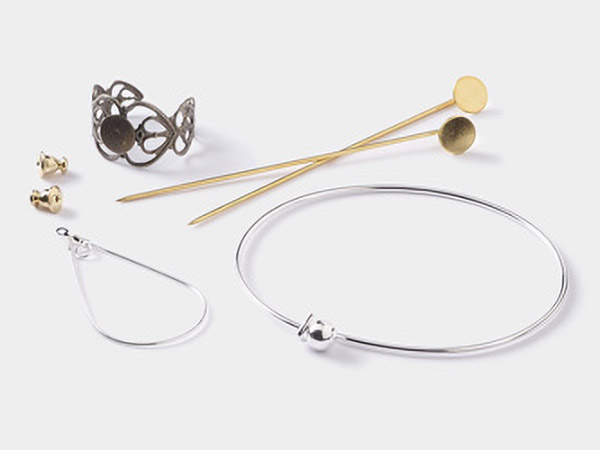
For jewelry designers and makers, brooches represent one of the most exciting categories of wearable art, with brooch backs and pin findings providing the foundation for incredible variety and creativity. Mixing materials offers lightweight comfort while allowing vast creative possibilities. Whether inspired by geometric patterns, botanical illustrations, animals or abstract art, handcrafted brooches provide opportunities for complete customization.


The Brooch Aesthetic
Whether viewed as a nostalgic revival or an accessory that never truly disappeared, the brooch has firmly reclaimed its place in contemporary fashion. Today's brooch is no longer viewed as an old-fashioned artifact; it has become one of the easiest and most versatile ways to add character, artistry and sophistication to everyday dressing.
In a world where consumers are crafting their personal styles and searching for signature pieces, brooches and novel ways to wear them are making inroads on a new generation. Designers, celebrities and jewelry artists continue to reimagine the brooch, building on its variety of style and shape, plus its versatility of use and placement, to personalize clothing, fashion accessories and wedding fashions.
The return of the brooch also reflects a broader shift in fashion toward sustainability and upcycling: rather than purchasing an entirely new wardrobe, a single brooch refreshes existing clothing and accessories. Whether it's a vintage heirloom, a treasured thrift-store discovery or a handcrafted contemporary design, brooches offer an effortless way to transform familiar pieces into something uniquely personal.



Shop for Your Materials Here:
Have a question regarding this project? Email Customer Service.
All works of authorship (articles, videos, tutorials and other creative works) are from the Fire Mountain Gems and Beads® Collection, and permission to copy is granted for non-commercial educational purposes only. All other reproduction requires written permission. For more information, please email copyrightpermission@firemtn.com.