

Symbolism & History of Jewelry: Sub-Saharan Africa

Jewelry in Sub-Saharan Africa serves both meaningful and functional roles, deeply woven into ceremonies and daily life. Early artisans crafted pieces from locally available materials, such as horn, glass, bone, shells, fossils and semi-precious stones like agate, onyx and turquoise, alongside more exotic materials like ivory and copper. The symbolism behind these adornments is rich and diverse, varying significantly across regions and cultures within this vast continent.
This article explores historical jewelry traditions and symbolism in a few of the many regions of Sub-Saharan Africa, offering a glimpse into their cultural significance.
In an article like this, the temptation is to adopt the beautiful styles and cultural meanings and incorporate them in your own jewelry designs. It’s always important to consider the need to be respectful of others’ meaningful traditions, and design in such a way that avoids thoughtlessly adopting something of incredibly deep meaning to someone else. As this article proceeds, we’ll give “Inspiration Hints” for riding the wave of inspiration without muddling into cultural appropriation.
The charts below present broad generalizations of symbolic jewelry color meaning in the Sub-Saharan African region.
| Sub-Saharan Africa Symbolic Jewelry Color Meaning |
||
|---|---|---|
| Color | Meaning | |
| Pink | Wealth and Poverty | |
| Red | Blood and Life, Love and Heartache | |
| Blue | Sky, the Divine, Faithfulness & Hostility | |
| Black | Death, Mystery, Power, Ancestry, Sadness, Rebirth | |
| Yellow | Joy, Happiness, Prosperity, Wealth, Fertility, Thirst, the Sun | |
| White | Prosperity, Purity, Peace, Spiritual Love | |
| Green | Growth, Fertility, Nature, Contentment & Discord | |
Objects can also have symbolic meaning for the people of Sub-Saharan Africa. For instance, among the Akan people of Ghana, bird meaning is closely tied to wisdom, ancestral connection, and the importance of learning from the past. And an ankh meaning could include life and rebirth. Below is a chart with some general symbolism of various objects and animals.
| Sub-Saharan Africa General Symbolism of Various Objects |
||
|---|---|---|
| Image | Shape | Meaning |

|
Triangle | Family |

|
Zigzag | Water, Movement, Unpredictability of Life |

|
Concentric Circles | Eternity, Unity, Cyclical Nature of Life |

|
Ankh | Life and Rebirth |

|
Lion | Courage and Leadership |

|
Elephant | Power and Longevity |

|
Snake | Rebirth and Transformation |

|
Bird | Connection between the physical and spiritual worlds |

|
Owl | Wisdom |

The Kingdom of Aksum (100 to 940 A.D.), also called Ethiopia, was a prominent trading empire in parts of what is today Eritrea, Ethiopia, Yemen, Saudi Arabia and Sudan. Because of its prolific trade with the Mediterranean regions, a wide variety of materials were used in jewelry making from the earliest times. In addition to the natural materials used since ancient times—bone, seashells, horn, leather, hair, seeds and more—local resources provided an abundance in the form of metal—gold, silver, bronze, brass, copper and others; precious stones, including amber and opal; ivory; and glass beads. Aksum exported ivory, emeralds, tortoise shell, gold and other materials to Rome and beyond.
| Ethiopia | ||
|---|---|---|
| Image | Material or Symbol | Meaning |

|
Amber | Protection Healing |

|
Gold | Prestige, Self-Esteem, Beauty, the Divine |

|
Silver | Clarity, Spirituality |

|
Red | Courage, Strength |

|
Blue | Peace, Tranquility |
|
|
Lion | Strength, Courage |

|
Birds | Freedom, Spiritual Connection |

|
Geometric Patterns | Order, Balance, Harmony |
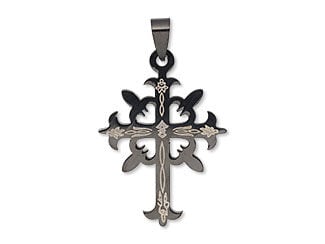
When Aksum converted to Christianity in the fourth century A.D., trade with Rome increased. The intermixing of multiple religious traditions profoundly influenced their jewelry traditions, from Christian crosses and Jewish Stars of David to Muslim prayer beads and Arabic, Indian and African tribal talismans. Often Christian crosses are silver, as silver meaning includes divine protection.
| Ethiopia | ||
|---|---|---|
| Religious Symbol | Meaning | |

|
Crosses | Faith, Christianity |

|
Cross with interlacing patterns | Eternity, Interconnectedness of Life & Faith |

|
Cross with wing-like arms | Resurrection, Hope of Heaven |

|
Star of David | Judaism |

|
Horn of Plenty | Abundance, Fertility |

|
Ankh | Life, Renewal |
Ethiopian jewelry is known for its bold, colorful designs and its geometric patterns, all with symbolic intent. Often images of animals and flowers were included, as well as intricate embellishment.
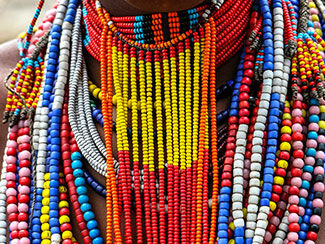
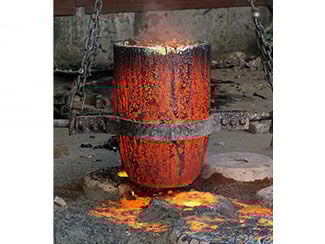
Ethiopian artisans have long used the ancient cire perdue (lost wax) casting technique to create intricate crosses and ornaments. The process begins with carving a design in wax, which is then coated in clay, leaving small channels for molten metal. When the clay is baked, the wax melts away, forming a mold. Molten silver, gold or brass is then poured in, taking the shape of the original design. Once cooled, the clay is broken away, revealing a beautifully detailed piece—each one unique, as the mold is destroyed in the process.
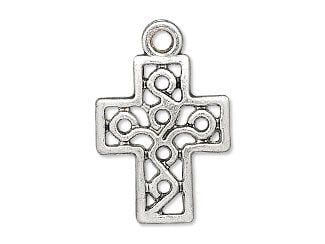
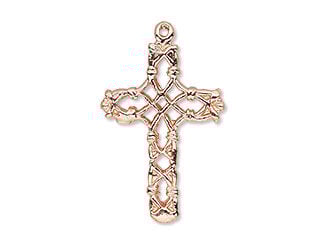
Ethiopian crosses can take different forms. The Axum cross is simple and geometric, with an elongated vertical column. Lalibela crosses, named after the church-filled city of Lalibela in northern Ethiopia, have complex, intricate patterns. Gondar crosses, a symbol of the Solomonic emperors of Abyssinia, always contain a rosette.

The early beads of the Zulu people of South Africa were crafted from natural materials such as bone, horn, shell, wood and stone, often woven into necklaces and belts. By the late 1700s, imported glass and ceramic beads became widely used, playing a significant role in trade. During the colonial era, intricate beaded patterns carried profound meaning, serving as a form of communication that conveyed messages understood only by Zulu, remaining indecipherable to outsiders.
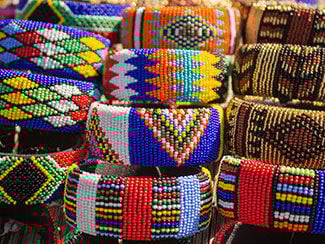
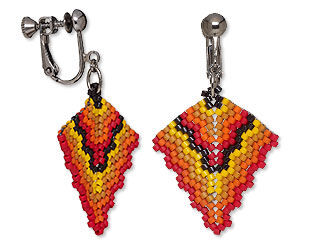
In Zulu culture, beadwork is traditionally handmade by women, while both men and women wear the jewelry. The designs and colors in Zulu beadwork serve as a subtle form of communication, conveying messages about social status and relationships, such as indicating whether someone is unmarried, interested in a partner or married. A fundamental element of Zulu beadwork is the use of triangular shapes, symbolizing the family unit of father, mother and child. A downward-pointing triangle represents an unmarried woman, while an upward-pointing triangle signifies an unmarried man. Two triangles joined at the base indicate a married woman, whereas an hourglass shape represents a married man. The meaning of a design varies depending on the triangle's position and its relationship to other triangles. Zulu beading techniques include stringing, embroidery, bead weaving and wirework, each contributing to the intricate artistry and storytelling within their beadwork traditions.
Inspiration hint: Consider incorporating your own symbols and messages in your seed bead designs.
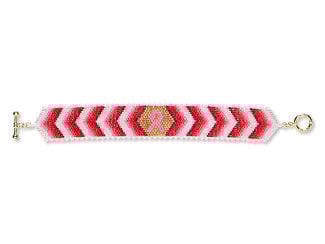
In Zulu culture, colors often symbolize opposing concepts, such as love and sorrow or wealth and hardship, with white being the only color that carries solely positive meaning.
| Zulu | ||
|---|---|---|
| Color | Meaning | |
| Pink | Wealth & Poverty | |
| Red | Love & Heartache or Anger | |
| Blue | Faithfulness & Hostility | |
| Black | Marriage & Death | |
| Yellow | Abundance & Thirst | |
| White | Purity, Spiritual Love | |
| Green | Contentment & Discord | |
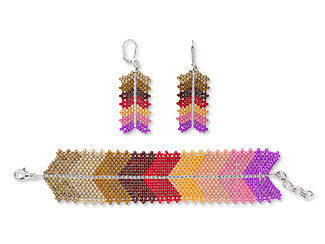
Inspiration Hint: Consider the beauty of combining geometric patterns with a high-contrast color scheme.

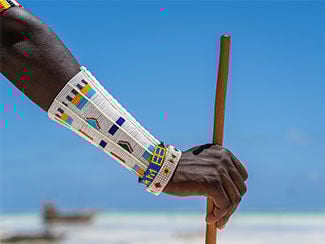
The Maasai have a long history of jewelry making, with women as the primary artisans. Before the 19th century, they crafted jewelry from natural materials such as twigs, bone, horn, seeds and clay, often dyeing them in vibrant colors. When glass beads from Europe were introduced, Maasai jewelry evolved to include beads, shells, silver discs, leather and wire.
| Ethiopia | |||
|---|---|---|---|
| Color | Meaning | Cattle Association | |

|
Blue | Energy | Sky and Rain |
|
|
Red | Bravery, Strength | Blood of cattle, Sustenance |

|
Green | Health | Plants and the Earth |

|
Orange | Friendship, Hospitality | For the orange milk visitors are given |

|
Yellow | Fertility, Growth | Sun, which sustains the grass and cows |

|
White | Purity, Peace | Cow's milk |

|
Black | Unity | Struggles, which bring unity |
The colors used in Maasai jewelry often have cultural meaning, with specific hues representing important aspects of their life, particularly cattle, which are central to Maasai culture. In addition, cowrie shells, often incorporated into designs, symbolize peace. Today, Maasai artisans continue this tradition, selling their beadwork online and sharing their cultural heritage with the world.
Inspiration Hint: Consider the overarching themes of your own culture or personal life. For the Maasai, cattle are the pervasive theme that ties into everything they do. For you it may be your faith, your family, your job or a special interest. How can you incorporate that theme in different ways in your jewelry designs?

The Bini people of the Kingdom of Benin in Nigeria (different than the country Benin) are renowned for their red coral beads, which symbolize power, wisdom and protection. Historically, the Oba (king) wears an elaborate crown of red coral along with numerous other coral adornments, while chiefs wear coral necklaces and bracelets. Their wives adorn their ankles and hair with coral as well. Brides and royalty commonly wear these prized beads, and different shapes and patterns are reserved for the elite. An order to abstain from wearing coral beads is considered a sign of disgrace.
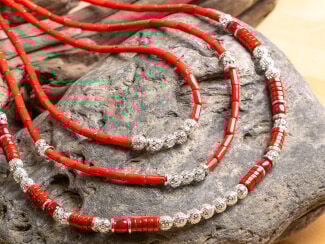
The origins of the Kingdom of Benin’s coral tradition are unclear. Some legends claim that in the 1400s, the beads were stolen from the goddess of the sea and brought to Benin, while others attribute their arrival to Portuguese traders in the 1500s. However they arrived, their cultural significance can be traced back to the reign of Oba Ewuare the Great (1440–1473), who began the traditional use of coral. Among the different types of coral, ivie or ivie-edo coral, ranging from pink to rosy red, is believed to provide supernatural protection and signifies power, while ekan coral is gray and is also a sign of authority. These beads continue to be a symbol of status and tradition in Nigeria in the Kingdom of Benin’s rich cultural heritage.
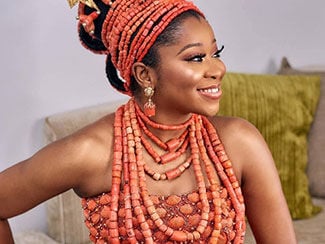
Inspiration Hint: Consider the beauty of a monochromatic color scheme combined with a maximalist aesthetic.

The Himba people of Namibia are primarily cattle ranchers, making leather their most common material for their typically oversized and decorative jewelry pieces. They also use cloth, grass, copper wire, ostrich eggshells and beads.
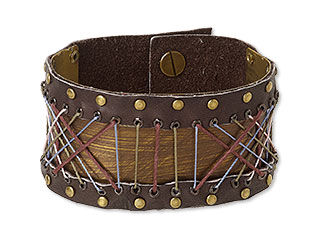
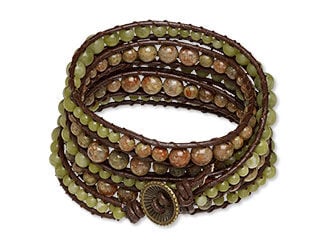
Terracotta red is their color of choice, as they identify heavily with a red paste made of butterfat, ochre and scented resin called otjize, which they wear on their skin, clothing and jewelry as a natural insect repellent and sunscreen. Their wide arm and leg cuffs not only look iconic but protect their limbs from the local wildlife.
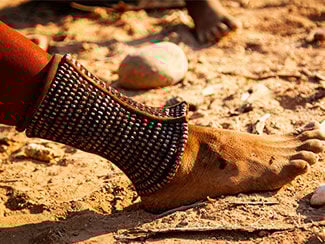
Elaborate headdresses and necklaces signify a married woman’s status, with unmarried women wearing simpler ornaments. When a woman becomes a mother, a traditional gift is a long necklace—an ohumba—featuring a large shell pendant on a necklace of beads.
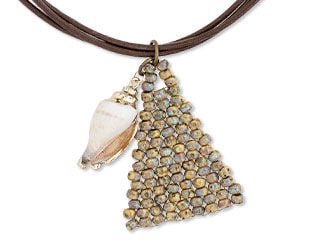
The striking designs of Himba jewelry have inspired designers around the world, with some designers creating entire Himba-themed collections.
| Himba | ||
|---|---|---|
| Symbol | Meaning | |

|
Red | Blood, the Essence of Life |

|
White | Purity, Peace |

|
Ochre | Fertility, Earth, Connection to Ancestors |

|
Fire | Spiritual Protection, Ancestors, Communion with their deity |

|
Shell | Marriage, Fertility |
Inspiration Hint: Consider how to create large statement pieces with natural materials.

For the Fulani people, gold meaning goes beyond mere decoration—it represents wealth, heritage, and identity. The Fulani women of West Africa are known for their striking jewelry, especially their large, twisted hoop earrings made of gold, along with gold necklaces and intricately designed copper or white metal bracelets. These pieces often feature detailed filigree, granulation and fine chain work. Girls typically have their ears pierced around the age of three, and over time, their earlobes are stretched to accommodate the substantial earrings they will eventually wear. Traditionally, heavy gold earrings are given as wedding gifts, symbolizing both wealth and status. Over time, the earrings can also reflect the number of children a woman has. The size of the earrings can indicate a woman’s social standing—the larger the earrings, the higher the standing. While pure gold has become scarce, silver, copper or brass are sometimes used as substitutes. Fulani earrings have a considerable market today all over the world.
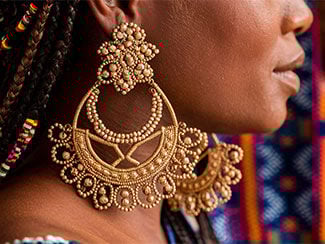
For the Fulani people, jewelry is rich in both meaning and beauty. Gold is not only valued as a symbol of wealth and used as a form of currency, but it is also believed to have healing properties. Fulani women wear a wide variety of adornments beyond their iconic gold earrings, including vibrant tubular glass beads worn in layered necklaces and woven into their hair. Their jewelry often incorporates materials like amber, coral, cowrie shells and glass, each adding its own symbolic and aesthetic value. Some women wear leather cowls adorned with colorful beads to signify their heritage. In addition to necklaces and earrings, weighty metal leg ornaments are also part of traditional attire, completing a look that reflects both cultural identity and personal status.
| Fulani | ||
|---|---|---|
| Religious Symbol | Meaning | |

|
Gold | Wealth, Healing |

|
Silver | Femininity, Purity, Stability |

|
Copper | Energy, Passion |

|
Cow | Wealth |

|
Cowrie Shell | Mystical Healing |

|
Star | Faith, Guidance |
Inspiration Hint: Consider the beautiful simplicity and purity of gold, silver or copper. Create large statement pieces with a monochromatic palette based on the color of the metal.
The history and significance of jewelry in Sub-Saharan Africa is vast and deeply layered. Every tribe and region brings its own unique traditions, materials and techniques to the art of adornment. What’s covered here only begins to hint at the immense richness, beauty, functionality and cultural meaning embedded in the jewelry of this diverse and vibrant region.
For more sacred symbols in jewelry, visit the article here.
Inspiration Hint: Consider more than the beauty of a jewelry design when you’re planning. Think about the meaning of each gemstone or symbol you’re using. It doesn’t have to be the African meaning or the European meaning of an owl, for instance. The meaning of an owl could hearken back to a story from your own childhood or a biological fact about owls. The takeaway here is to do the very human act of pondering deeply and creating for more than aesthetic reasons.
Shop for Your Materials Here:
Have a question regarding this project? Email Customer Service.
Copyright Permissions
All works of authorship (articles, videos, tutorials and other creative works) are from the Fire Mountain Gems and Beads® Collection, and permission to copy is granted for non-commercial educational purposes only. All other reproduction requires written permission. For more information, please email copyrightpermission@firemtn.com.
**Please note that all metaphysical or healing properties listed are collected from various sources. This information is offered as a service and not meant to treat medical conditions. Fire Mountain Gems and Beads® does not guarantee the validity of any of these statements.