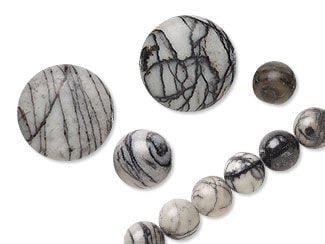
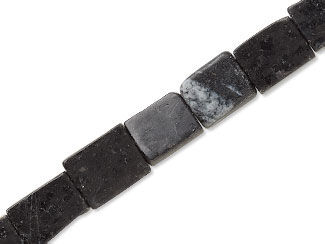
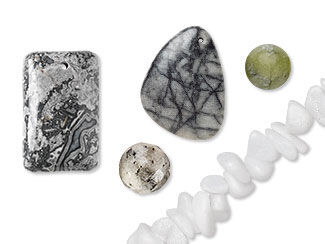
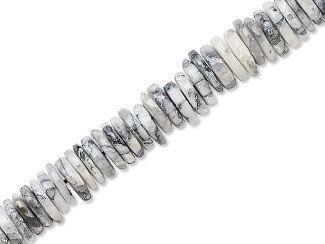
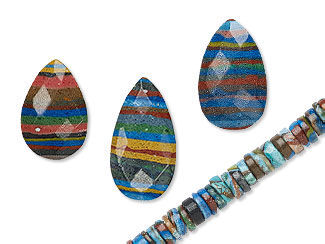
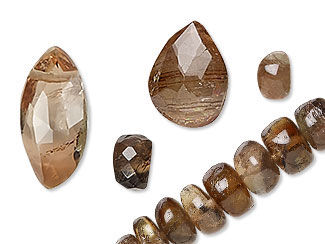
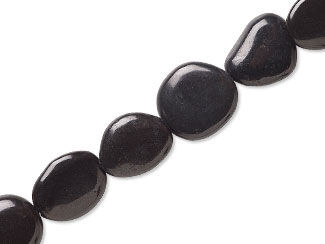
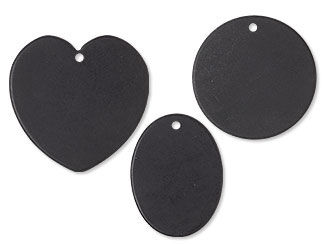
Black silk stone is an onyx marble with a beautiful, silky-smooth surface and satin finish. According to metaphysical beliefs, black silk stone is a nurturing gemstone.
Bronzite
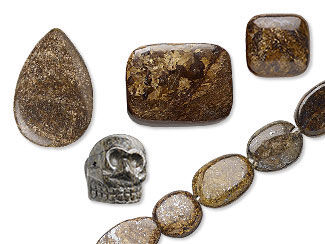
While bronzite may appear mundane when not polished, bronzite is a truly beautiful gemstone that can display chatoyancy and contain bright golden flecks.
Diopside, Chrome
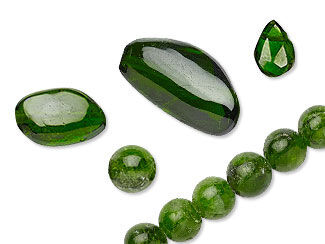
With a green brilliance rivaling that of emerald, chrome diopside does not receive enhancements to increase color or clarity, making it a naturally lovely stone option for jewelry.
Malachite, Red
While malachite gemstones are renowned for their rich green color, red "malachite" is just as loved for its warm terra cotta color and metaphysical associations of energy and courage.
Malachite
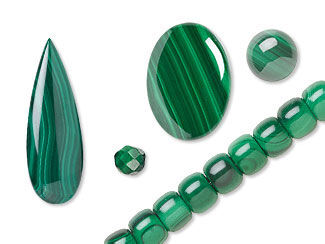
The swirling patterns of malachite have unmistakable, striking light and dark green marbling. The startling beauty of this stone has come to represent sensuality and beauty.
Feldspar
Feldspar comprises almost 60% of the Earth's crust, which makes feldspar the most common mineral. While it may be abundant, feldspar's metaphysical abilities are anything but ordinary.
Kunzite
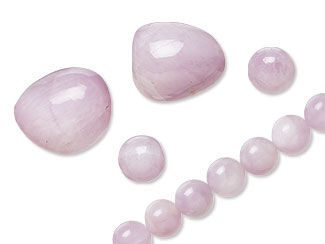
The soft pink and purple hues of kunzite are well-suited for feminine jewelry designs and special occasion jewelry such as for Valentine's Day or Mother's Day.
Amphibolite
Amphibolite--sometimes also referred to as hornblende--is said to help balance the dual natures of individuals who wear jewelry featuring this metamorphic stone.
Goshenite
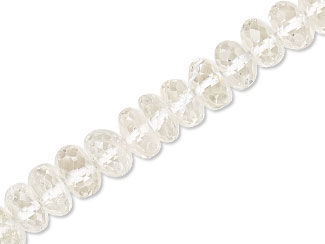
The colorless variety of beryl, goshenite is a beautiful, highly transparent gemstone that has been referred to as the "Mother of Crystals." A perfect gemstone for Mother's Day jewelry!
Morganite
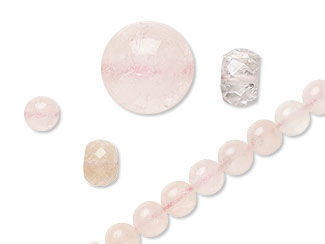
With its soft pinkish hue, morganite is often associated with innocence, sweetness, romance and love, making it a perfect gemstone for special occasion jewelry like Valentine's Day.
Emerald
A mesmerizing green stone, emerald has collected numerous legends about its magnificence and power over the millennia, including stories from Biblical times and the ancient Egyptians.
Moldavite
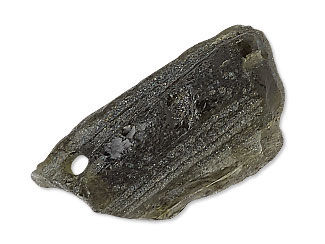
Moldavite is said to bring good luck, according to Czech legend. It was also believed to help bring harmony in marriage and so was a common betrothal gift.
Gaspéite
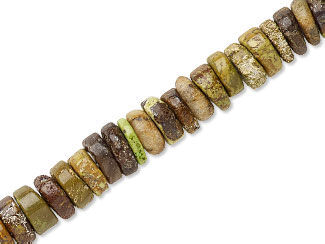
Discovered in 1977, gaspeite is an intriguing rare mineral that is found in only a few places. Make sure one of those places is in your handmade jewelry designs!
Beryl
Beryl isn't so much a gemstone as it is a family of gemstones. While specific beryl varieties have their own properties, precious beryl tends to be affiliated by its color.
Charoite
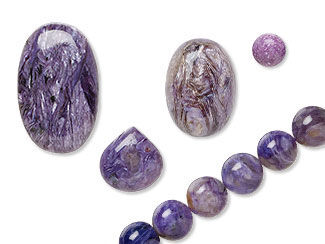
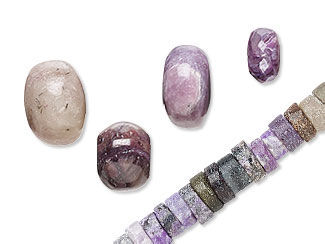
Sources may disagree whether Charoite was named for the Chara River or the Russian word "chary" (meaning "charms" or "magic"), but we can agree it has a beautiful, striking appearance.
Hypersthene
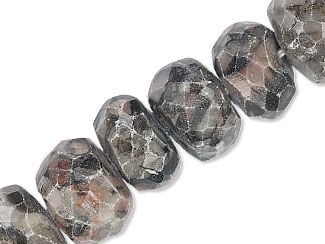
The name "hypersthene" comes from the Greek word for "over strength," no doubt in reference to its hardness, but could also be related to the stone's protective metaphysical qualities.
Corundum
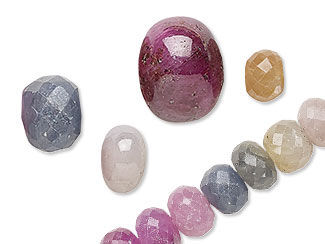
Corundum has been historically known as the gemstones ruby (red corundum) and sapphire (other colors). Corundum is very hard, tough and stable, making it ideal for a variety of uses.
Pietersite
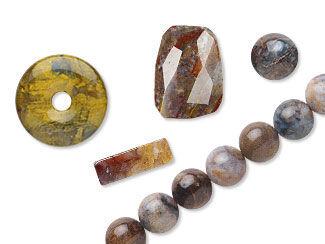
How pietersite forms is an interesting process involving one mineral changing into another. Learn how this happens, why pietersite is called the tempest stone and more intriguing facts.
Hemimorphite
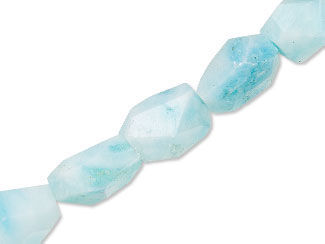
Hemimorphite gets its name from the Greek words hemi ("half") and morph ("shape") because each end has a different shape--a quite unusual behavior in crystal formation.
Opal, Peruvian
Peruvian opals were originally thought to be a gift from the Incan goddess Pachamama. Peruvian opal doesn't have the fiery play of light, but it does possess a beautiful iridescent quality.
Verdite
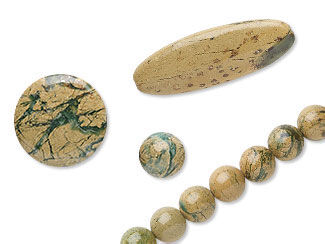
Verdite, sometimes mistaken for jade, can resemble an abstract canvas with varying earthy color patterns, making the gemstone a beautiful and unique addition to jewelry.
Seraphinite
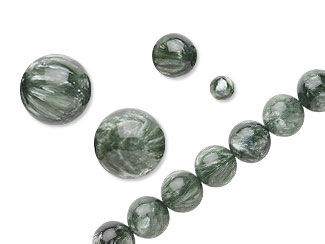
Seraphinite is a soft gemstone, which can make designers nervous to use it, but the beauty of this greenish stone named after angels can't be emphasized enough for use in jewelry.
Pipestone (Catlinite)
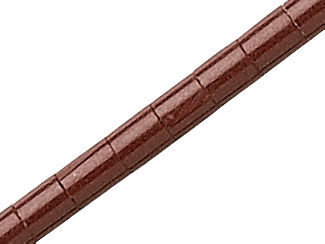
Pipestone has a robust brick red color and can contain quartz or mica for a bit of sheen and shimmer, making this gemstone a favorite for both women's and men's jewelry designs.
Variscite
While variscite is mostly a collector's gem due to its rarity, the mineral is fabulous in jewelry with its vivid green color and intriuing array of associated metaphysical properties.
Sugilite
Sugilite offers lots of designing possibilities whether it's beads, cabochons, inlays and more. Like amethyst, sugilite's variety of purples makes it go well with just about everything.
Andesine
A fairly new gemstone, andesine is believed to have been discovered in 2003. You may be surprised to learn much of what was originally sold as andesine was actually enhanced labradorite
Jade, Mountain
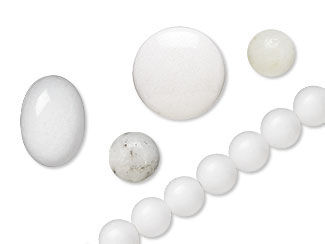
Called mountain ''jade,'' this stone is actually high-grade dolomite marble from Asia. For jewelry, this material is frequently dyed rich, vivid colors, but its white form is also beautiful.
Calcite
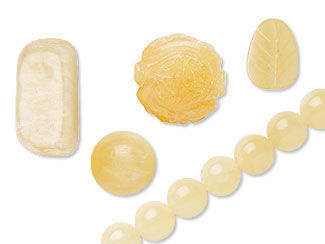
In the metaphysical world calcite is believed to be a spiritual cleanser, helping change perspective and renew commitment to positive change. Learn more about this beautiful, golden-yellow stone!
Marble
Marble is viewed as a stone of potential. Marble has been used in architecture, decorative carvings and, of course, jewelry for centuries for its fantastic cutting and shaping properties.
Pinolith
How much do you know about pinolith? That it's a very rare semiprecious stone? That it's believed to be a gemstone of optimism and balance? Or how it's fantastic for jewelry-making?
Rainbow Calsilica
Rainbow calsilica is a man-made material created for the gemstone market from carbonate rock, which means this intriguing material still possesses perceived metaphysical properties.
Ammonite
Ammonites are eoliths of now-extinct marine molluscs called ammonoids. It's no surprise that ammonites, with their spiral shape, are symbols of change and positive motion.
Andalusite
According to metaphysical beliefs, andalusite is the seeing stone that promotes the desire for self-realization, helping one to rebalance and re-align.
Magnetite
Magnetite (not to be confused with magnesite) is a rock mineral believed to alleviate negative emotions such as fear, anger and grief while promoting positive qualities in the wearer.
Stichtite
There aren't many purple gemstones, making purplish pink to purpose-red stichtite a delight to use in jewelry. Plus, it has metaphysical properties your customers may be looking for.
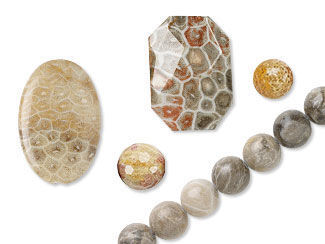
Fossil Coral
Fossil coral is a natural gemstone created when prehistoric coral is gradually "agatized." It stands to reason, according to metaphysical beliefs, fossil coral can help bring about change.
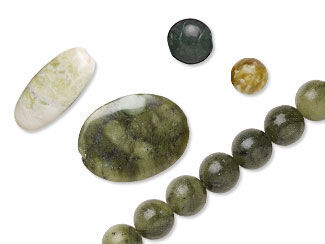
Jade, New
New "jade" is not actually jade, but is said to have the same spiritual values as green jade: easing feelings of depression, emotional cleansing and ideal for meditation.
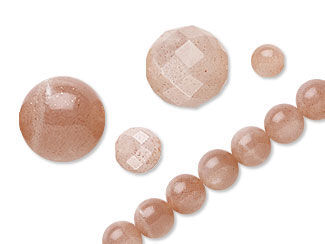
Moonstone, Pink Flake
Pink flake moonstone is a beautiful stone in feminine jewelry designs, but the overall color isn't so pink (especially the redder specimens) it can't also be used in masculine designs.
Serpentine
According to metaphysical beliefs, serpentine provides clear thought to better facilitate meditation, but that isn't the only reason you should consider designing with this gemstone.
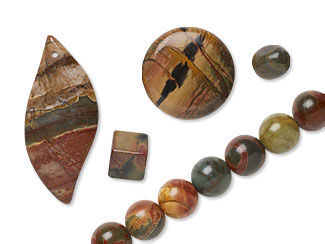
Jasper, Red Creek
Miners were looking for turquoise when they found Red Creek jasper. The lovely red, green, yellow, blue-gray and black stone offers the perfect autumn/fall color combination for jewelry.
Lava
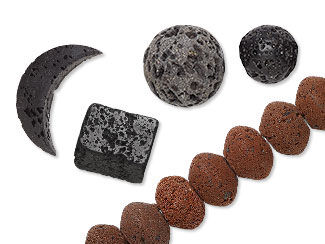
The raw power of a volcano capsulated in the palm of your hand. Lava rocks have numerous uses, loved in both jewelry-making and by metaphysical believers.
Chalcedony
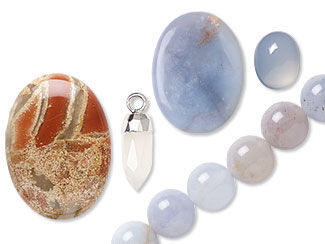
Chalcedony is believed to be the stone of communication and makes a beautiful addition to jewelry designs. Learn more about this stone's meaning and properties in this informative Gem Note.
Quartz, Green
Green quartz, a rare stone in nature, has often been mistakenly referred to as "green amethyst." Learn all about this soothing green stone from its geological properties to proper care and even metaphysical properties such as how it is thought to awaken love, empathy and compassion.
Petrified Wood
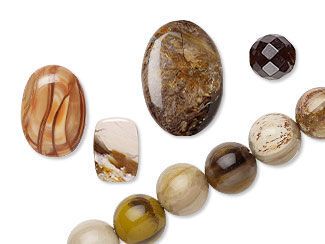
Petrified wood is known as a stone of transformation and is thought to provide a window to the past. Find out even more about this stone and its meaning in jewelry in this informative Gem Note.
Shungite
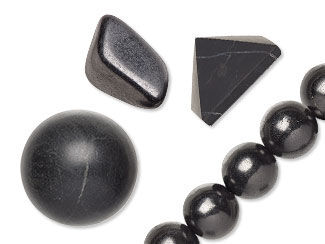
What do Russia and Nobel Prizes have to do with Shungite? There's a very interesting and varied history with this folklore favorite.
Slate
Slate is believed to preserve you from weakness. Made from pressed mudstone, this stone is black due to plants or plankton, and may contain fossils.
Thulite
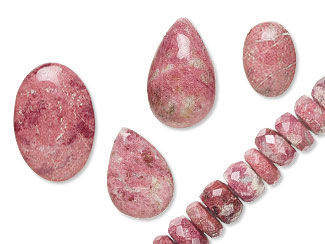
Thulite, the stone of the mythical north, is a recent discovery in terms of gemstones. Find out how this stone influences the metaphysical world, how to care for it, and more.
Zircon
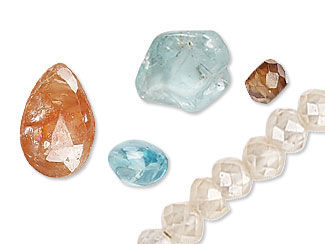
The brilliant colors and fire of zircon make it a luscious choice for jewelry. Metaphysical practitioners believe that is useful as a sleep aid.