

Symbolism & History of Jewelry: Europe
European jewelry has a long history, from the ancient Greeks and Romans to the Vikings and Saxons of the Middle Ages, all the way to the exquisite Faberge eggs of 19ᵗʰ century Russia. This article strives to explore some of the historical jewelry traditions and symbolism in a few of Europe’s many regions and countries, offering a glimpse into their beauty, history and cultural significance.
Cultural styles and traditions can be a powerful source of inspiration in jewelry design. At the same time, it’s important to approach these influences with respect and intention. As you read on, Inspiration Hints offer guidance for drawing creative ideas while honoring the traditions behind them.

Scandinavia
Early Scandinavia
Scandinavia includes Sweden, Denmark, Norway and Finland. Once home to nomadic peoples who relied on the forests for survival, these northern communities later became known as the Norse—or Vikings.

The Norse crafted jewelry from silver, gold, iron, resin, and natural fibers, embellishing pieces with charms, stones and amber. More than adornment, jewelry also served as currency—wearers might break a piece from a coiled arm ring or neck ring for trade.
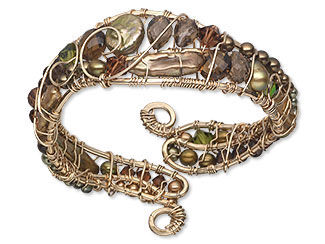
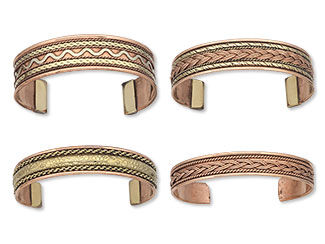
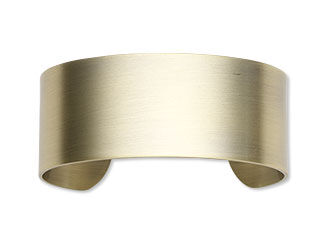
Inspiration hint: Design your own metal cuff arm bracelets inspired by the Norse craftsmen—even including coins to represent the currency of today.
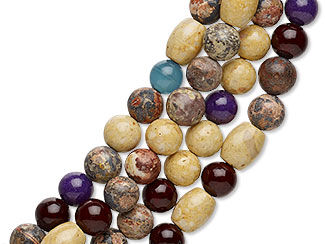
In early Scandinavia, glass beads were rare imports from Western Europe and beyond, with just a few used in a design. Over time, however, glass beads grew common and eventually became one of the most favored forms of decoration.
For the Norse, brooches were more than fasteners. Men typically wore one to secure their clothing, while women wore two, often richly decorated and joined by a strand of colorful beads.
Inspiration hint: Combine multiple brooches with chain or beads strung between them.

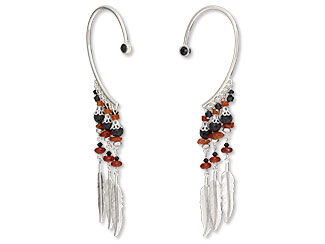
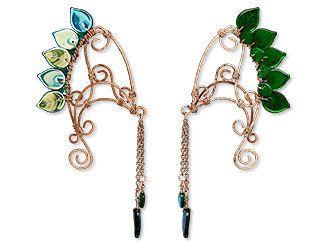
Earrings were not originally a Scandinavian invention but were adapted from Slavic designs. Unlike simple drops, they were crafted to cover the whole ear rather than just hang from the lobe.
Inspiration hint: Embellishments to cover the whole ear have become popular. Combine Norse motifs with the current elfin trend for a look that’s brand new!
| Early Scandinavian Symbols | ||||
|---|---|---|---|---|
 |
 |
 |
 |
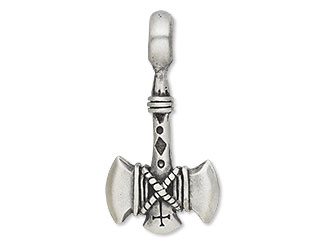 |
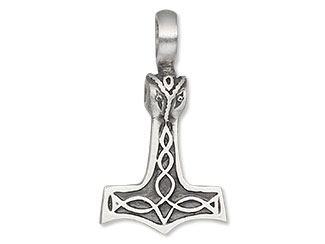
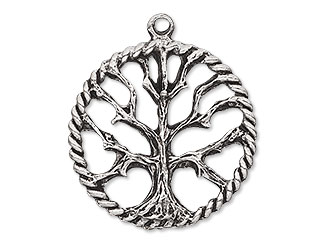
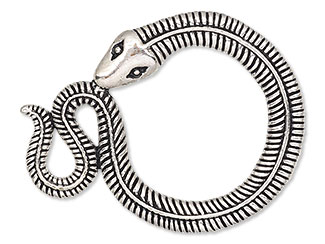
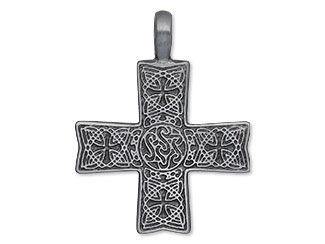
| Mjölnir | Yggdrasil | Jörmungandr | Cross | Axe |
| Thor's Hammer: strength, courage and protection | Tree of Life: life and the connectedness of all things | The Midgard Serpent: cyclical nature of life, fate | Christian faith | Courage and protection |
 |
 |
 |
 |
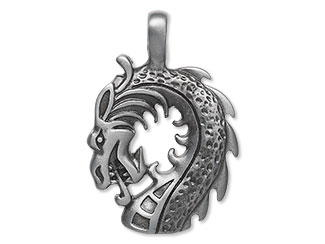 |
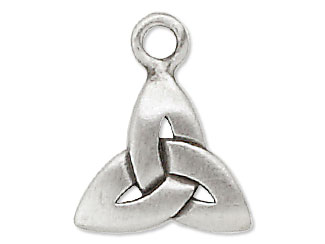
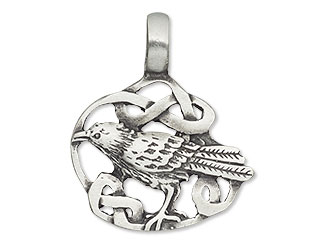
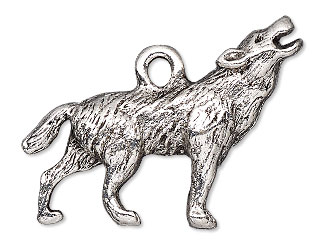
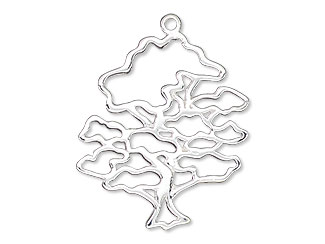
| Triquetra | Ravens / Crows | Wolf | Oak Tree | Dragon |
| Trinity Knot: unity and balance | Knowledge, wisdom, memory and foresight | Power, loyalty and independence | Endurance, strength and wisdom | Strength and bravery |
Modern Scandinavia
Through the centuries, Scandinavian design remained rooted in intricate metalwork, featuring complex knot motifs and traditional symbols, while the use of gemstones and pearls was kept minimal.
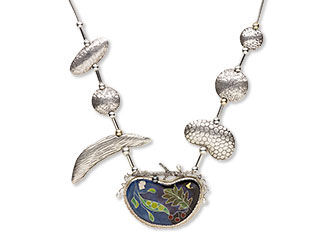
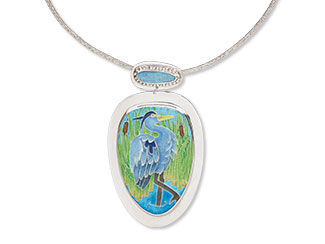
In the 1890s, Norwegian artists began experimenting with enamel, crafting vivid colors and layered designs inspired by nature—flowers, foliage, birds and more. They embraced the new art of guilloché enamel, applying clear enamel over engraved metal, blending their tradition of intricate metalwork with the emerging art of molten glass.
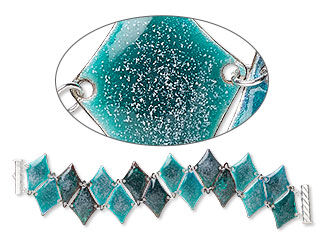
Inspiration hint: Dive into the art of enamel. Experiment with guilloché-like techniques, engraving a metal setting before adding the layer of enamel to create original designs.
Skønvirke, a Danish movement of the early 1900s blending Art Nouveau and Arts & Crafts aesthetics, featured flowing silver forms set with gemstones—such as chrysoprase, moonstone and amber—to create motifs inspired by flowers, birds and nature.
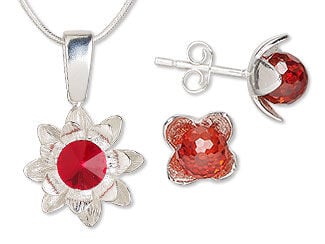
During World War II, metal shortages restricted the use of silver and gold, but creativity endured. Jewelry artists turned to ceramic, glass, iron, and bronze, exploring new possibilities. Some drew on their heritage, crafting Iron Age-inspired pieces from archaeological finds, while others, influenced by Japanese design, experimented with silver inlay on patinated iron.
In the years that followed, Scandinavian traditions of intricate metalwork and enamel endured alongside the simple, organic forms that emerged in the early 20th century. More recently, Swedish designer Björn Weckström gained fame for his “Planetoid Valleys” necklace—a bold collar of silver squares—worn by Princess Leia in the final scene of Star Wars.
Inspiration hint: So often, when we hear “nature-inspired” we think of plants, birds and flowers. Let Bjorn Weckstrom’s pieces inspire you to look to larger natural features—mountains, waterfalls, planets, supernovas and more.
Scandinavian jewelry reflects a long tradition of craftsmanship, combining practical design with meaningful symbols. From early metalwork to modern pieces, these designs continue to highlight the region’s artistic heritage.
Interested in a deeper dive into the particulars of Scandinavian jewelry? Check out “The History of Sámi Jewelry”.

The United Kingdom and Ireland
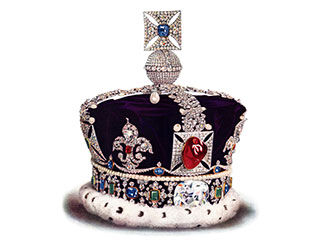
When you think of England or Great Britain in conjunction with jewelry, the Crown Jewels come to mind immediately. England has a long history of bestowing crowns on their monarchs, beginning in the early Middle Ages with the coronation of the Anglo-Saxon King Edgar in 973 A.D. Not just crowns and scepters, the Crown Jewels also include orbs, spoons, bracelets, candlesticks, robes, swords and more. The Crown Jewels have been assembled—and dispersed—through the centuries of English history, with most of what is today called the Crown Jewels dating from the 1600s and the restoration of the monarchy following the days of the Commonwealth.
Inspiration Hint: Combine metal, jewels, and richly colored fabrics like velvet and silk for jewelry designs inspired by the royals.
Celtic Jewelry and Symbolism
Celtic jewelry, found across Ireland, Scotland and Wales, carried spiritual and tribal symbolism. The torc, a rigid neck ring made of twisted metal, symbolized strength and high status and was often worn by warriors and chieftains. Spirals, knotwork and animal motifs were common, representing eternity, the cycle of life and connection to nature.
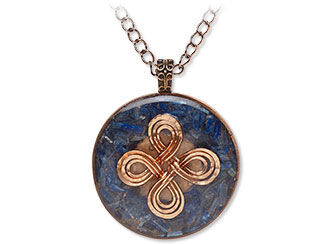
During the early Christian period, the Celtic cross emerged, blending traditional pagan symbolism with Christian beliefs. Brooches, such as the famous Tara Brooch, became elaborate status symbols, crafted from gold and adorned with intricate filigree.
| Celtic Jewelry | ||
|---|---|---|
| Image | Symbol | Meaning |
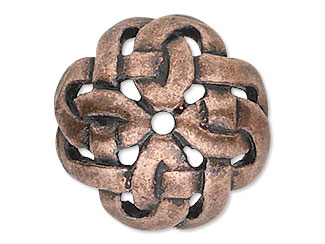 |
Celtic Knot | Eternal Life, Endless Love |
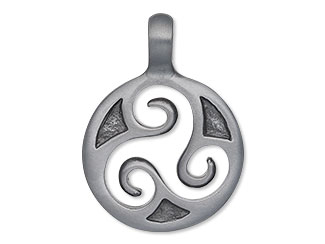 |
Triskele | Union of Mind, Body and Spirit; Also the Past, Present and Future |
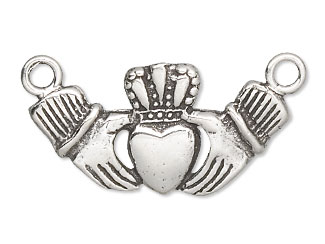 |
Claddagh | Love, Loyalty, Friendship |
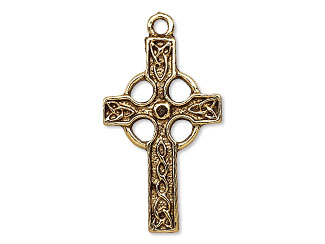 |
Celtic Cross | Transcendence |
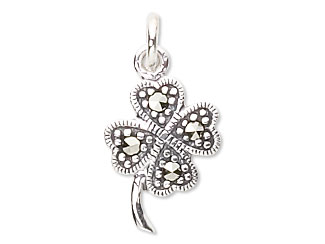 |
Shamrock | Good Luck, the Christian Trinity |
Anglo-Saxon Jewelry Traditions
By about 600 A.D. the Angles, Saxons and Jutes had conquered England, bringing their own traditions and aesthetics. Hailing from northern continental Europe, these Germanic invaders brought animal motifs and their skill in metalwork with them.
Anglo-Saxon Symbolism
- Eyes: wisdom, seeing with the “mind’s eye”
- Gemstones: royalty
- Rings: loyalty, contracts, covenants
- Brooches: Christianity
Known for their famous king, Alfred, and in more recent times, for the archaeological discoveries at Sutton Hoo, the Anglo-Saxons placed great value on jewelry as symbolism. During the reign of King Alfred the Great in the late 800s, the law required more punishment for causing someone to lose a ring finger than any of the other four, not because it was more useful, but because rings were the symbol of contracts and covenants. The Anglo-Saxons were known for their metalwork, cloisonné and the copious use of gemstones such as garnets and amethysts.
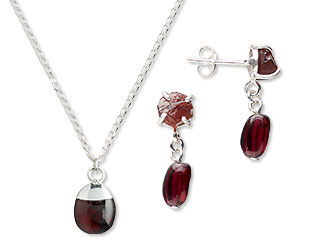
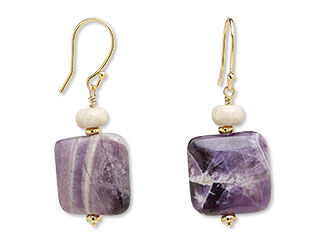
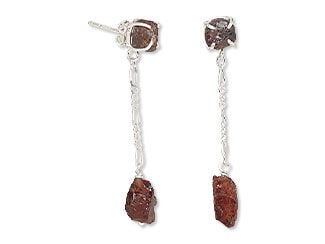
Inspiration Hint: Use nugget beads or stones of irregular shape with luxurious metals to mimic the earthy but rich vibe of Anglo-Saxon jewelry.
The Middle Ages
When the Normans conquered England in 1066 A.D., they brought with them their Scandinavian aesthetic—bold designs, animal motifs, elaborate knot patterns and their mythology. Wanting to show their dominance—a prominent theme in the Robinhood legends—the Normans displayed their wealth by crafting elaborate crowns, brooches and rings, showcasing gold filigree, gemstones and repousse designs.
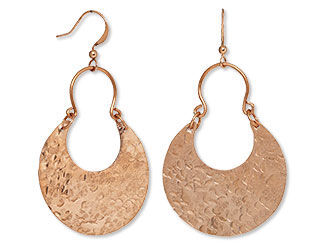
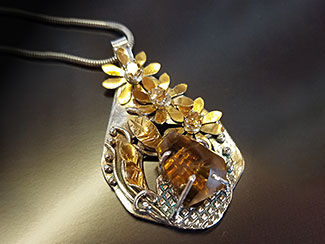
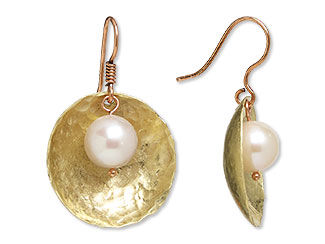
Inspiration Hint: Get the flavor of Norman jewelry by hammering or punching designs into metal sheet. Embellish your handiwork with opulent gemstones or pearls.
Jewelry between the arrival of the Normans and the start of the Renaissance followed the Gothic aesthetic—largely unrelated to the “goth” jewelry of today. Gothic jewelry was ornate and symbolic, full of patterns intended to convey meaning. Rather than intricacy, form and line because foremost.
| Celtic Jewelry | ||
|---|---|---|
| Image | Material | Meaning |
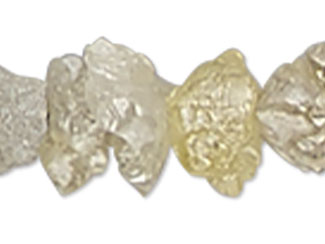 |
Diamond | Protection from illness |
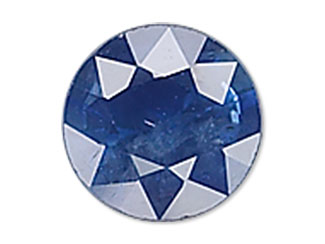 |
Sapphire | Cure for snakebite, thought to dispel witchcraft and detect lies |
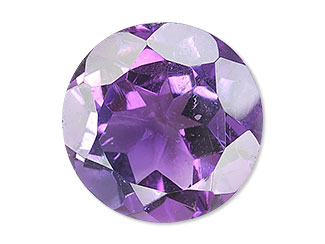 |
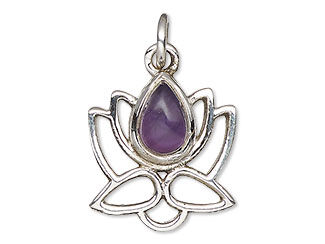
Amethyst | Temperence, clarity |
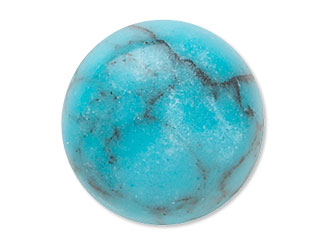 |
Turquoise | Healing |
The art of enamelwork grew, with a variety of styles, from simple to elaborate, becoming popular. Gothic clothing tended to be high-necked and long-sleeved, which made brooches, belts and rings the jewelry of the day. Brooches were made to be meaningful, with messages of love or religious sentiment being prominent themes. Gemstones for rings were often engraved with initials, religious acronyms and more. While rings were exchanged at weddings, crowns were often popular, with churches possessing extra crowns for the sake of those not wealthy enough to bring their own to their wedding.
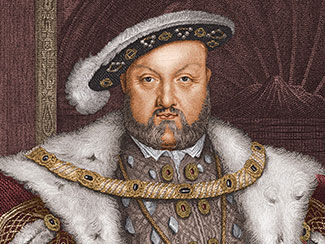
The Tudor Dynasty—best known for the much-married Henry VIII, Bloody Mary and beloved Queen Elizabeth I—lasted for just over a hundred years, from 1485 to 1603 A.D., ending with the death of Elizabeth. Tudor jewelry was exaggerated and elaborate, full of intricate designs in gold and silver, embellished with large pearls, ivory and gemstones, including diamond, sapphire, ruby, onyx, turquoise and carnelian. Flowery motifs were popular. While the ideas of the meaning of particular materials persisted, jewelry was meant to demonstrate affluence and power. Even buttons and shoe buckles were considered jewelry for the rich—just another opportunity to display wealth in the form of precious metals and gemstones.
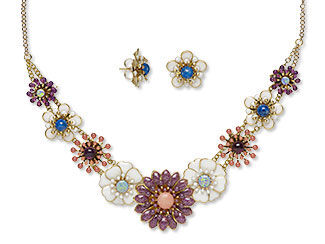
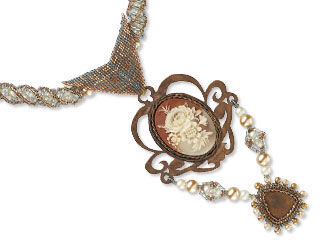
Inspiration Hint: Let the Tudor aesthetic live in your jewelry designs, by creating statement necklaces featuring gemstone cabochons in elaborate, floral settings.
Because of the religious turmoil during the Tudor era, religious symbols were a popular motif. Pearls were associated with purity—both as a religious symbol and as a reference to their “virgin queen,” Elizabeth I. With the Renaissance in full swing, classical motifs from ancient Greece and Rome were also popular. The Tudor Rose, symbolic of the union between the Houses of York and Lancaster, was another popular motif at the time, representing the unity of England.
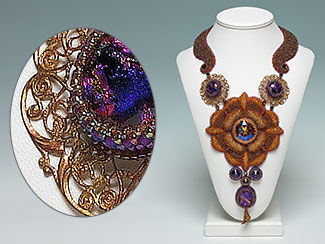
Inspiration Hint: Go big and bold with a Tudor Rose motif.
Days of Exploration and Discovery
The early 1600s continued the earlier traditions of opulence, with richly colored gemstones and luminous pearls imported from South America, South Africa, Asia and the Persian Gulf. Men and women alike adorned themselves with jewels, including multiple ropes of necklaces, earrings, brooches, rings, buttons and accessories. Messages of familial and romantic love and religious devotion were emblazoned on metal or painted onto elaborate enamelwork.
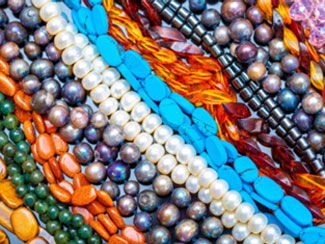
Inspiration Hint: Combine pearls and gemstones in a multi-layered necklace look to emulate the exaggerated aesthetic of pre-Cromwell England.
After the English Civil War, during the years of the Commonwealth, the Puritan aesthetic took over. Jewelry became modest and sedate and was usually intended to demonstrate religious piety. Supporters of the deposed king, Charles I, and his son, Charles II, took to silently wearing jewelry of protest—skulls, crowns, hearts and miniature portraits of His Majesty sealed under crystal.
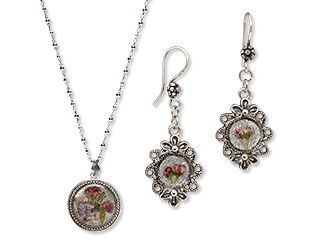
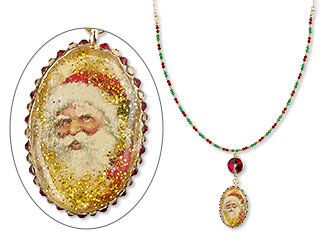
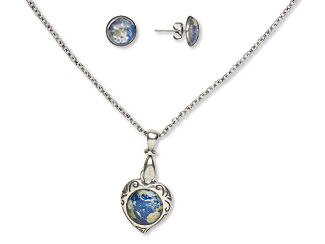
Inspiration Hint: Craft a resin pendant with images that represent your religious persuasion, political views or family ties to make a silent but powerful statement like the 17th century royalists.
With the return of the monarchy in 1660, the extravagant splendor became the fashion again, although the over-the-top styles for men never returned to the same level they had been earlier in the century. Also in fashion was sentimental jewelry, such as rings with memorial messages or a locket with the hair of a departed loved one inside.
Learn about Regency Jewelry with a lengthy article full of inspiring designs.
The Victorian Era

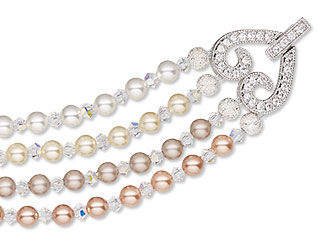
Queen Victoria, who reigned from 1837 to 1902, had a profound influence on the jewelry of her realm. Her use of jewelry to express her deep love for her husband started a trend. Victorian jewelry was ultimately sentimental. Motifs of hearts, flowers, birds and ribbons became abundant. Victoria’s engagement ring showed a ruby-eyed snake with its tail in its mouth—representing an unbroken circle of love. It inspired a snake jewelry trend. Because of the association of turquoise with the forget-me-not flower, it was also a popular choice. Gold and gemstones adorned evening attire, while ivory, tortoiseshell, coral, and pearl were favored for daytime wear. Bracelets were especially popular—particularly bangles and designs featuring glittering buckles.
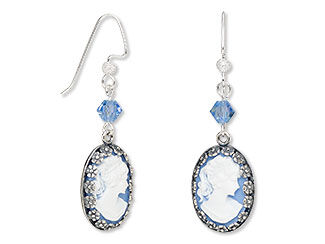
By the mid-1800s, archaeological discoveries worldwide took over the imagination of jewelry designers. Greek and Roman coins and designs, like cameos and intaglios, were all the rage, alongside Egyptian scarab jewelry, Etruscan-inspired granulation and micromosaic.
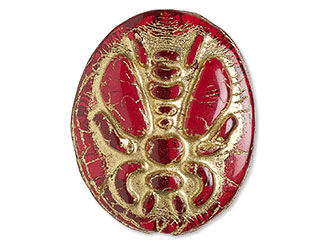
When Prince Albert died in 1861, Victoria took to wearing black to express her grief. Her people followed the trend, wearing jet, onyx and black beads, pearls to represent tears and lockets with the braided hair of the deceased.
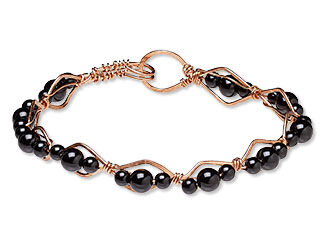
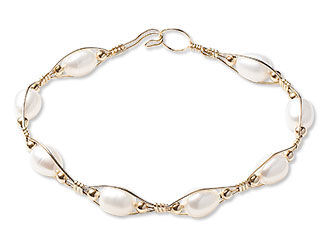
In the late 1800s, Japanese shakudo—a gold and copper alloy—fascinated the British. This distinctive metal would patina to a deep blue-black color and would then be inlaid with bright metallic images of birds and flowers, all depicted in the Japanese style.
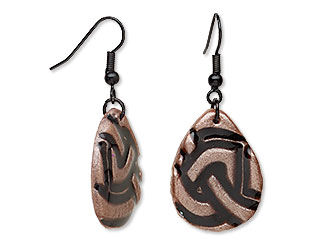
Inspiration Hint: Use black and gold for shakudo-inspired jewelry designs.
Industrialization took hold of the world, with mass-produced jewelry making personal embellishment available to more people. High-end jewelry made at this time tends to be distinctive, one-of-a-kind pieces, as the wealthy wished to rise above the lower classes in their jewelry choices.
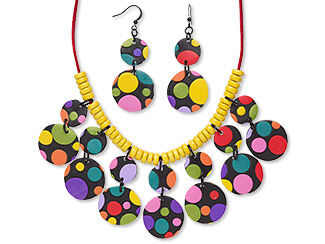
Inspiration Hint: Create your own beads and drops from polymer clay or metal clay for one-of-a-kind designs that will stand out from the crowd.
By the turn of the century, women were beginning to enter both the workforce and the world of sports. Demand for elaborate jewelry declined in favor of tasteful simplicity, such as diamond or pearl stud earrings.
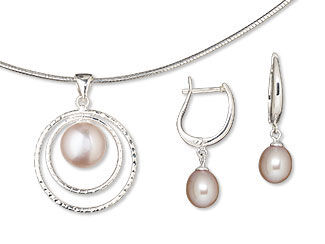
Edwardian Jewelry
The Edwardian period, named after King Edward VII who reigned from 1901 to 1910, embraced more ornate style. Platinum and diamonds became central to the designs of the day. Platinum is stronger than gold, and as such it could be used to create delicate, lacy settings that had been impossible before that period. Jewelry became light and pretty, featuring floral garlands, bows, tassels, ribbons and lace, all crafted from platinum and set with diamonds and other gemstones.
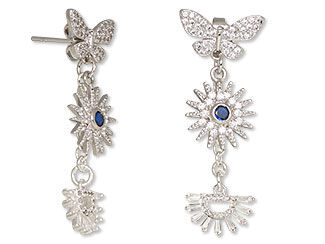
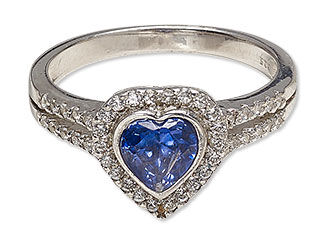
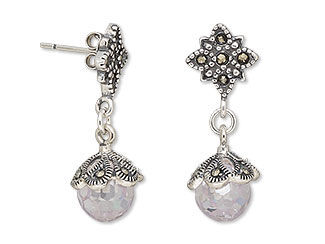
Inspiration Hint: Use settings featuring cubic zirconia or marcasite in a pave style to get the flavor of the ornate, luxurious Edwardian style.
Uniquely British Symbolism
Throughout British history certain symbols have prevailed—some regionally, and some with a wider heritage. The following chart contains a smattering of those uniquely British symbols.
| Celtic Jewelry | ||
|---|---|---|
| Image | Symbol | Meaning |
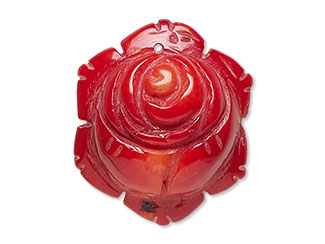 |
Rose | England, love, beauty |
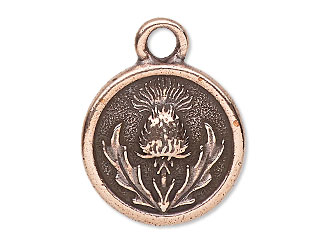 |
Thistle | Scotland, bravery, resilience |
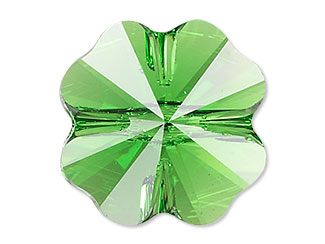 |
Shamrock | Ireland, luck, faith |
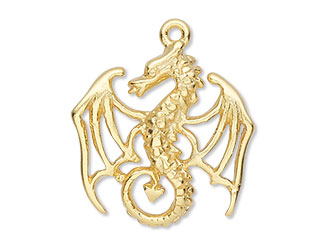 |
Dragon | Wales, courage, victory |
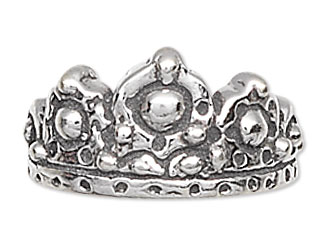 |
Crown | monarchy, authority |
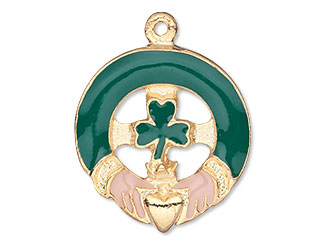 |
Claddagh Ring | friendship, love, loyalty |

Central Europe
The tribes of central Europe—called “barbarian” by the Romans—had similar traditions to those mentioned in earlier parts of this article, the Anglo-Saxons and the Visigoths, influenced by the styles of the Romans with whom they fought. It was common during the early days after the fall of the Western Roman Empire for Germanic jewelry to be crafted from Byzantine gold coins and Arabian silver, as well as baser materials like bronze plated with gold, silver or tin. Gemstone use abounded—emerald, garnet and sapphire, as well as pearls from the East and from Scotland.
| Medieval Central European Gemstone Meanings | |||
|---|---|---|---|
| Image | Gemstone | Element | Meaning |
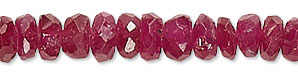 |
Ruby | Fire | Love, passion, life, blood (crucifixion) |
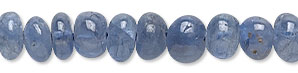 |
Sapphire | Air | Wisdom, loyalty, protection, cooling of passion |
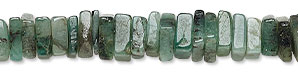 |
Emerald | Earth | Purity, divine love |
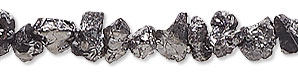 |
Diamond | Water | Invincibility, protection |
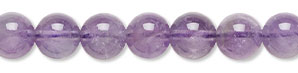 |
Amethyst | Mental clarity, sobriety | |
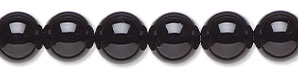 |
Onyx | Strength, positivity | |
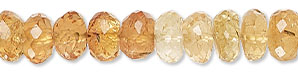 |
Topaz | Protection, strength | |
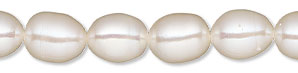 |
Pearl | Purity, the Virgin Mary | |
As the Byzantine Empire grew in the East in the wake of the collapse of the Western Roman Empire, their styles influenced styles in central Europe. Enameling became the fashion, with geometric patterns, symmetry, hidden images, animals and more. Much of the early jewelry was functional—brooches and fibulae to fasten garments together, belt and shoe buckles, and sword holsters among them. Necklaces—particularly of glass or amber—were popular for women, but instead of hanging from her neck, they would be suspended from clothing.
Inspiration hint: Think outside the box. Jewelry doesn’t just have to dangle from necks, wrists and ears. It can be suspended from clothing, hair, shoes and more.
With the rise of Charlemagne and the Holy Roman Empire in 800 AD, the jewelry styles didn’t change significantly, but the themes because Christianized, with the cross becoming a preferred motif. Charlemagne’s empire was known for its goldsmithing. As time went by, wars became more frequent, causing jewelry making to decline in favor of more survival-oriented pastimes.
By the late 1200s, the Gothic style had come to prominence. Jewelry became simple and elegant, with sharp points and geometric shapes rather than the rounded edges or ornate beauty of the Germanic tribal designs. Gemstone cutting, invented in the East, became the fashion. As in the earlier Middle Ages, gemstones were infused with meaning.
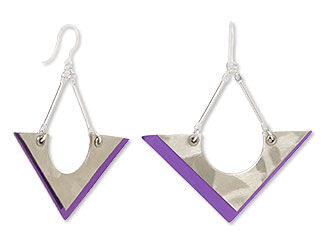
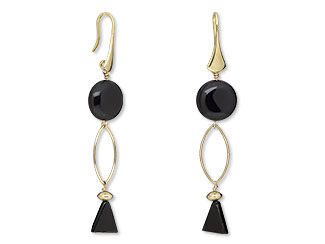
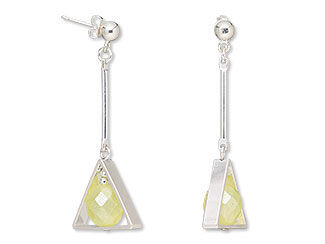
Inspiration hint: The simple shapes and sharp points—but not too sharp!—in Gothic-style jewelry can be the inspiration behind futuristic designs.
Paris became the center of all that was fashionable in the jewelry world, with Venice, Bruges, Cologne and Nuremberg following not far behind.
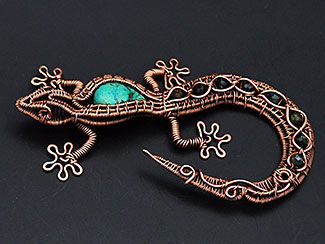
The dawn of the Renaissance saw not a revival of ancient, classical jewelry styles, but a rebirth of the themes of the ancient Greeks and Romans. Mythological themes joined the existing Christian and biblical motifs, creating great variety in jewelry design. Among the classical motifs were nymphs, satyrs, dragons, mermaids, shipwrecks and sea serpents. Styles began to cross the continent, blurring or obliterating regional differences, in part due to the artistry required to create each elaborate jewelry piece. Often a brooch or pendant would be designed by a painter, created by a goldsmith, enameled by a professional in that field, and then sent to an expert gem setter for the finishing touches. Literature about jewelry making spread, further creating a united European fashion.
Some interesting notes:
- Rings often had compartments containing perfumes or scented gums, in order to obliterate the natural stench of the unwashed wearer.
- Pendants were elaborate and two-sided, sometimes having a hidden compartment for holding an important object, such as a toothpick.
- Clocks were available in the 1500s, but instead of being worn on the wrist, they were embedded in rings or pendants, replacing the older traditions of compasses and sundials there.
- The pendant replaced the medieval brooch as the most important piece of jewelry during the Renaissance, but like the medieval necklaces, they were most often attached to clothing rather than draped around the wearer’s neck.
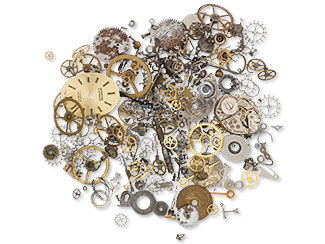
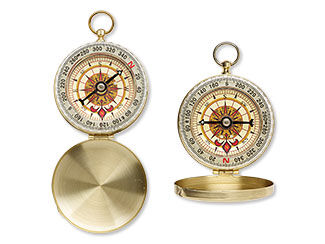
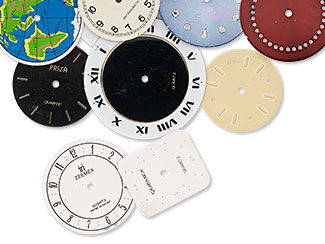
Inspiration hint: Ponder using jewelry for more than mere adornment. The medieval had uses for compartments in their jewelry. What needs do people today have, and how can jewelry meet those needs?
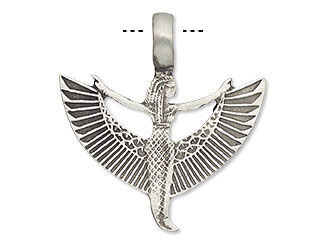
The Greek and Roman revival saw a resurgence in France after the French Revolution in the late 1700s. Napoleon’s military campaigns in Egypt brought back motifs like the pyramid, sphinx, palm trees and more, to add to the classical touches that were already becoming fashionable. These ancient touches included simple gold bands on the arms and fingers, gold pendant earrings and cameos.
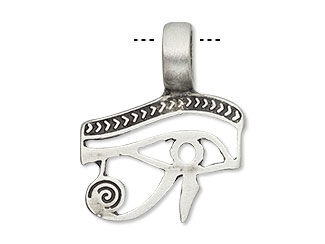
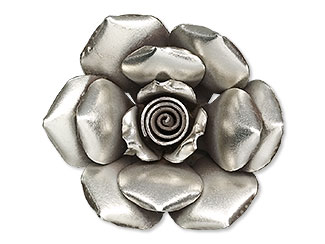
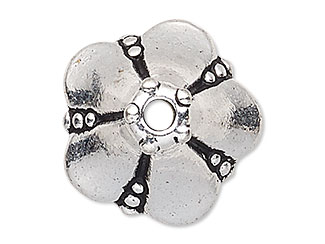
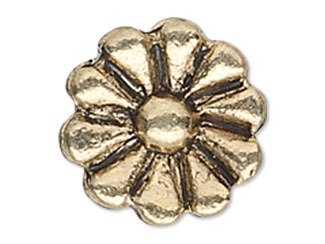
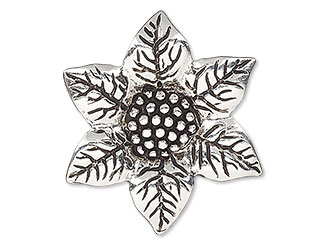
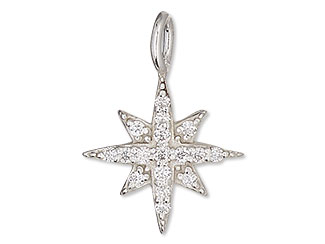
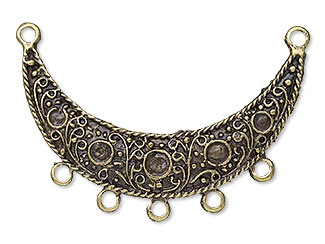
The mid-1800s saw the rise of naturalism, with light, delicate, intricate jewelry designs with floral themes and bows becoming popular. Bracelets were often made of silk ribbon rather than metal.
| Central European Motifs of the mid-1800s | ||||
|---|---|---|---|---|
 |
 |
 |
 |
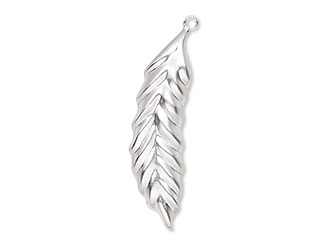 |
| Rose | Morning Glory | Daisy | Cornflower | Wheat |
 |
 |
 |
 |
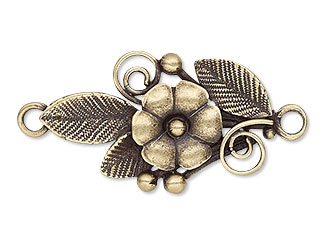 |
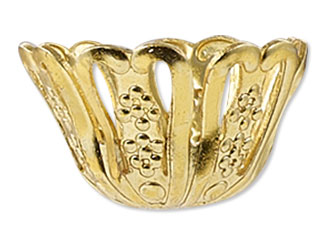
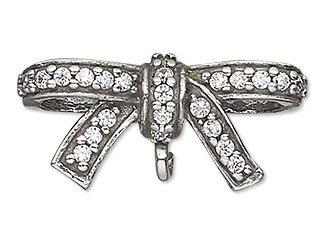
| Star | Crescent | Basket | Bow | Foliage |

The Iberian Peninsula
The Iberian Peninsula consists mainly of Spain and Portugal but also includes tiny Andorra and the British territory of Gibraltar. Because of the Pyrenees Mountains separating Iberia from the rest of continental Europe, it has both a unique history and a unique artistic tradition.
Early Iberians
The earliest inhabitants of the Iberian Peninsula were various pre-Roman tribes and people groups, among them the Aquitanians, the Carpetani and the Celts. Their jewelry styles included gold and silver metalwork with designs of geometric shapes and animals, similar to the artistry of the British Celts.
The first outsiders to arrive were the ancient Phoenicians, in the 12th century B.C. The Phoenicians—followed by the ancient Greeks and Carthaginians—established multiple trading ports along the southern and eastern coasts of the peninsula, the sides that border the Mediterranean Sea. Later, despite the resistance of the local “barbarians,” the Romans slowly took over the region, bringing their own jewelry styles with them.
After the fall of Rome, the “barbarians” took over again—the Suebi, the Vandals, the Alans, the Visigoths and others—along with the remnant of Rome, the Byzantine Empire.
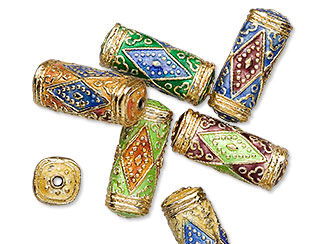
Visigothic art was a combination of Roman, Byzantine and Germanic traditions and techniques. The jewelry was ornate, with intricate patterns, glass inlays in the cloisonne style and colorful gemstones, particularly red garnets. Visigothic artists were committed to geometric precision in the midst of organic themes such as plants and animals, lending a unique beauty to their work. Below are two of the most famous Visigothic works of art.
Visigoth Symbols
- Cross: Christianity
- Crown: political or spiritual authority
- Birds: angels, the soul
- Interlaced patterns: eternity, interconnectedness
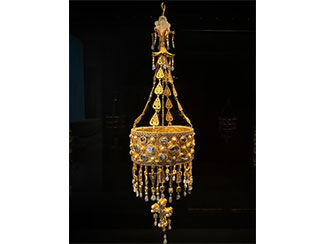
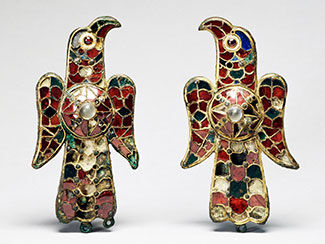
Inspiration Hint: Don’t be afraid to go bold. Use brightly colored gemstones along with shining metals to create designs with bling and luxury.
Muslim Iberia
In 711, the Moors—Muslims from the north of Africa—invaded Iberia, eventually converting much of the region to Islam. Smaller regions in the north, including Castile, Aragon, Navarre and Portugal, were Christian civilizations.
The Moors brought their jewelry traditions with them. Due to the Islamic tradition of not depicting figurative images, much of the art, including the jewelry design, included geometric patterns, swirls, filigree and floral patterns.
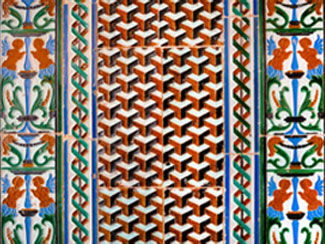
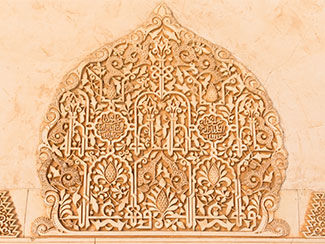
By the 1200s, northern forces had succeeded in establishing the Iberian Peninsula as a Judeo-Christian region, joining the history of Spain and Portugal to the rest of the European continent at large. The many Muslims remained in Christianized Iberia were called mudéjars, which also became the name of art style that retained the Islamic aesthetic. Much of the mudéjar art—architecture, textiles, ceramics, jewelry and more—was produced by Christian artists for Christian customers, in appreciation of the gorgeous patterns, colors and designs of the Muslim artists but bringing in figurative forms—people and animals—as well as Christian symbolism.
Inspiration Hint: Combine different non-figurative patterns to create your own unique visual style.
| Iberian Jewelry Design and Materials Symbolism | ||
|---|---|---|
|
Filigree | Balance bewteen strength and beauty, complexity of life |
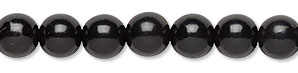 |
Jet | Spiritual Protection |
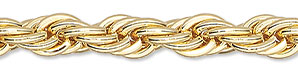 |
Gold | Wealth, power and status |
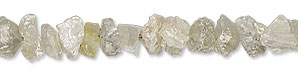 |
Diamond | Eternal love, commitment |
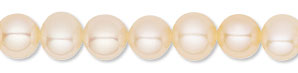 |
Pearl | Purity, sophistication |
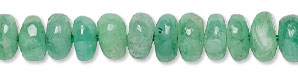 |
Emerald | Royalty, luxury |
Renaissance Spain and Portugal
With the advent of the Renaissance in the 1400s, everything changed. Artistic ideas spread rapidly throughout the continent of Europe, which resulted in the adoption of motifs from ancient Greece and Rome—scenes from mythology and ancient history.
Popular Spanish Jewelry Pieces during the Middle Ages and Renaissance
- Collar: a necklace that rested on the shoulders instead of around the neck, represented status and wealth
- Shoulder Cape: often decorated with gemstones and precious metals
- Brooch: intricate designs set with gemstones
Inspiration Hint: Don’t limit the use of beads to traditional jewelry forms. Embellish your clothing and shoes or create non-traditional designs like the Spanish collar or body jewelry.
Portugal and Barcelona, Spain, were major trade centers from the days of explorers, beginning in the 1400s, to the 1700s, resulting in a major influx of gemstones, including corundum from Sri Lanka, rubies from Burma, pearls from the Persian Gulf and emeralds from Colombia, as well as sapphires, topaz, aquamarine, citrine, chrysoberyl and more. Jewelry became more opulent than ever, with gemstones set in elaborate gold settings with adaptations of New World and Asian styles and motifs.
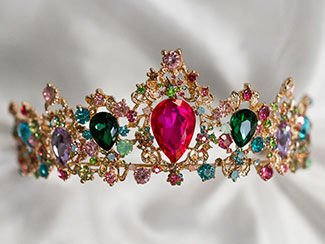
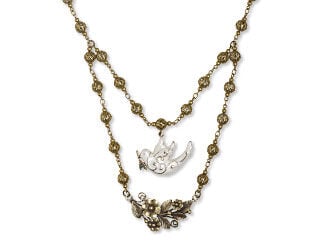
In the 1600s, the style evolved to be even more ornate. Pendants representing religious themes as well as natural ones were popular, including elaborately jewelry gold animals like fish, dolphins, turtles, horses, frogs and more. Rings also were bedecked with tiny gold and gemstone sculptures, in line with the broader European Renaissance styles of the time.
| Other Iberian Symbolism | ||
|---|---|---|
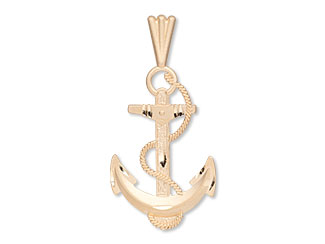 |
Anchor | Hope, steadfastness, strength, adventure |
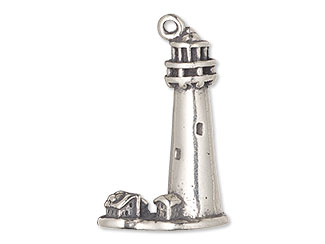 |
Lighthouse | Guidance, direction |
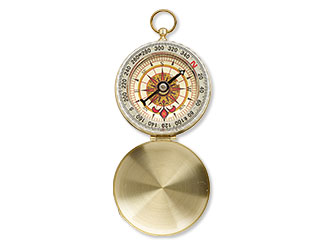 |
Compass | Destiny, guidance |
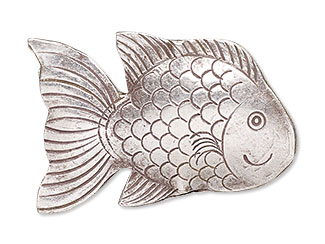 |
Fish | Christian faith, prosperity, Portugal's relationship with the sea |
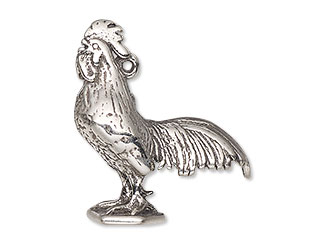 |
Rooster | Faith, justice, good luck |
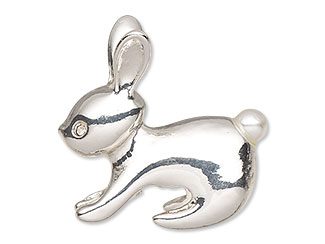 |
Rabbit | Fertility |
Baroque and Rococo Europe
Common Baroque designs all over Europe included flowers, bows and scrolls. Baroque jewelry is known for using precious metals and abundant gemstones, including diamonds, pearls, amethyst and topaz. Filigree gave the jewelry an even more elaborate appearance, while enamel also became a popular medium. Jewelry was meant to show status and power, with a bow intended to symbolize grace and elegance.
For more, read the Renaissance and Baroque Jewelry illustrated article.
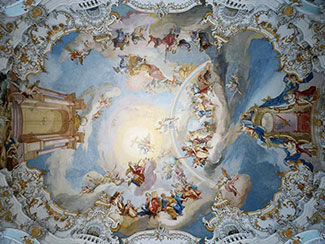
The Rococo period introduced an asymmetrical aesthetic to jewelry design, giving pieces a creative, surprising vibe that became incredibly popular. Rococo jewelry retained the elaborate luxury of the Baroque period, but sought a lighter aesthetic—pastel colors, open, lightweight filigree and floral motifs.
| Iberian Floral Symbolism | ||
|---|---|---|
| Image | Floral | Meaning |
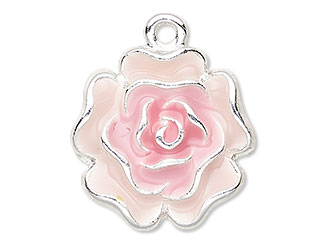 |
Carnation | Passion, love, national flower of Spain |
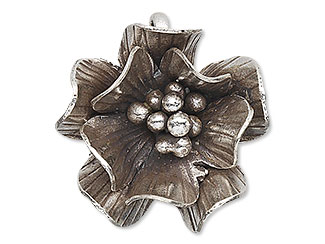 |
Camelia | Admiration, perfection |
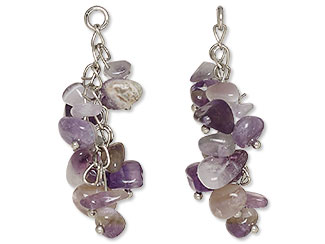 |
Lavender | Traditional national flower of Portugal |
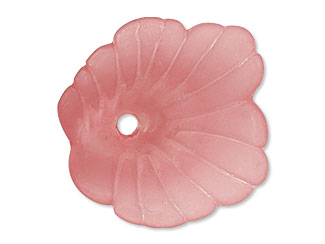 |
Lily | The Virgin Mary |
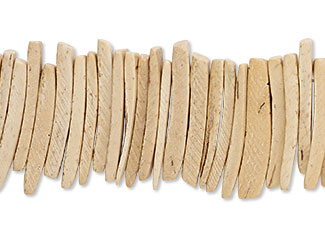 |
Wheat | Abundance, fertility |
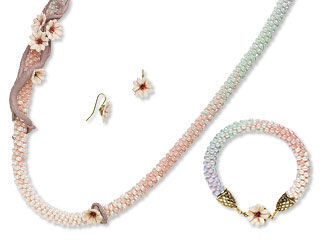
Inspiration Hint: Adopt the ornate, pastel aesthetic of the Rococo period to create your own light and airy jewelry designs.
Regional Styles and Symbolism
The various regions of the Iberian Peninsula are known for different jewelry styles. In Andalusia, an administrative region in the south of Spain, Moorish (Islamic) elements abound with patterns, florals and filigree. In Catalonia, in the northeast of Spain, Renaissance, modernist and Art Nouveau styles prevail. Castilla-La Mancha in central Spain is known for damascened jewelry, inlaying gold or silver into a base metal like iron or steel to create patterns and designs, particularly religious motifs. The Basque region, composed of parts of both Spain and France, is known for bold colors and designs, particularly in jet and coral. Northern Portugal jewelry design has historically favored delicate filigree, whereas in the south, jewelry was colorful and replete with gemstones. In Spain, bracelets are a common gift to commemorate special events—birth, baptism, weddings, etc. They are often personalized and kept for a lifetime.
| Iberian Religious Symbolism | ||
|---|---|---|
| Image | Symbol | Meaning |
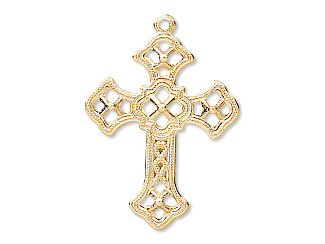 |
Cross | Christianity, faith, piety |
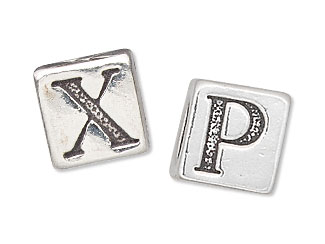 |
Chi Rho | Christianity |
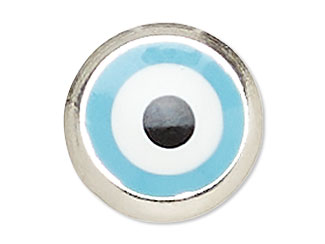 |
Evil Eye | Protection, often depicted with a hand motif |
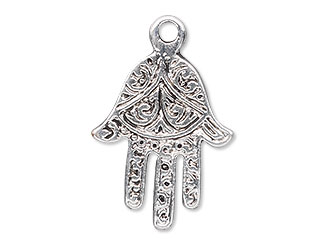 |
Hamsa Hand | Islamic sign of protection and blessing |
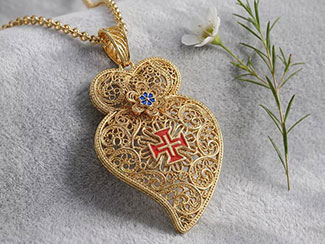 |
Heart of Viana | Honesty, generosity, unconditional love |

Italy
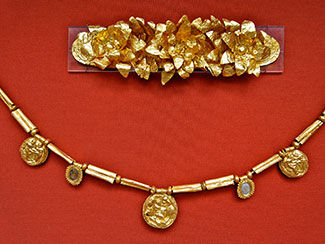
The earliest inhabitants of the region we now know as Italy were the Etruscans. They were the first European goldsmiths, crafting delicate, ethereal jewelry with spirals, engraving, filigree, granulation, gold leafing and repousse. Influenced by the Egyptians, they created necklaces, earrings, hairpins and fibulae (brooches), eventually developing their own unique style.
Etruscan Jewelry
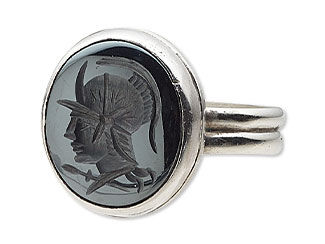
The Romans (753 BC to 476 AD) preferred more elaborate, ornate jewelry. For them, jewelry was a show of power and status—a way of demonstrating wealth to others. The showy Roman jewelry consisted of gold and silver, pearls, garnet, emerald, sapphire and other gemstones. The Romans were skilled cameo carvers, creating portraits of their gods and emperors and scenes from mythology and from Roman history and prehistory. Signet rings were carved with family crests.
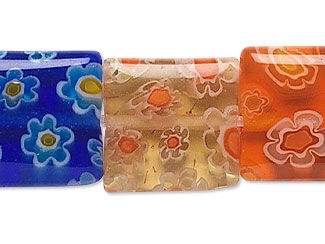
Advances in craftsmanship led to delicate filigree and granulation techniques, showcasing the increasing skill of Roman jewelers. Protective amulets, such as the bulla worn by children, was said to safeguard against evil spirits. As the empire progressed, fashion dictated wearing as much jewelry as possible, with millefiori glasswork emerging as a popular technique.
Millefiori Beads
The rise of Christianity and the fall of the Western Roman Empire ushered in the Middle Ages, where jewelry became more sedate. Ostentatious displays of wealth were no longer fashionable. Instead, jewelry and metalwork turned toward the creation of crosses, reliquaries and pendants, most with religious themes.
During the Renaissance—a revival of Classical Greek and Roman ideals centuries after their decline—Italian jewelry became even more elaborate. Artisans refined techniques such as filigree, hand engraving, and cameo carving while also mastering intricate enamel work, including cloisonné, champlevé and plique-à-jour. Jewelry in the Italian Renaissance was both a symbol of wealth and power and an expression of deep religious devotion.
Cloisonne Pendant and Earrings

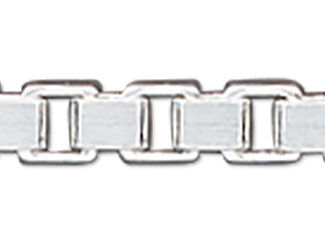
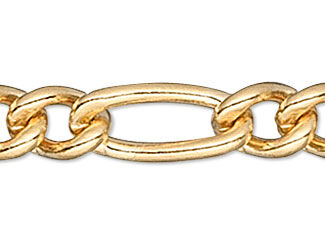
Some of the most famous artists of the Renaissance—Ghiberti, Botticelli, Brunelleschi and more—apprenticed as goldsmiths in their early days. Renaissance artist Benvenuto Cellini turned goldsmithing into an art, viewing jewelry as sculpture. During this time period, early forms of the Venetian box chain and figaro chain were first created.
Venetian Box Chain
Figaro Chain
During the Baroque period, Italian jewelry followed the larger European trends of asymmetry, drama and theatricality, with over-the-top, opulent designs featuring gold, pearls, large gemstones, scrollwork and layered gold chains.
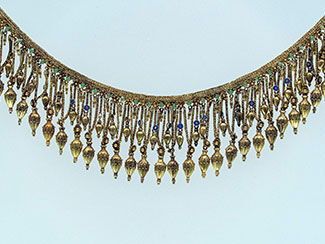
The unification of Italy in the 1800s led to a revival of the early Etruscan and Roman styles, as people sought a national, Italian identity.
Etruscan revival-style necklace
Inspiration hint: Consider your own heritage, the history of the area where you live or a historical period that interests you. How can you adapt the styles of the area or era to your own jewelry designs, as the Italians did with the Etruscan and Roman revival?
Today, modern Italian jewelry houses create upscale pieces for the international market. The following outlines just a few of today’s Italian jewelers:
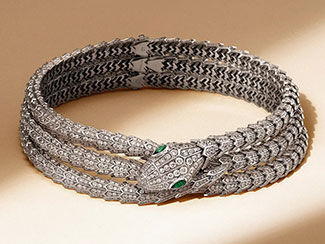
Bulgari: Founded in 1884 and known for its luxury, bold designs and geometric aesthetic and for its incorporation of traditional Italian themes.
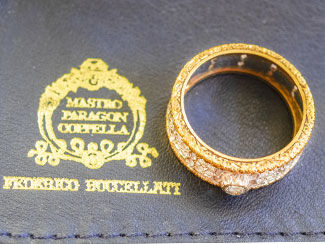
Buccellati: Founded in 1919, this design house finds its inspiration in Renaissance metalwork.
Pomellato: A newer company, Pomellato was created in 1967. It is known for its bold gemstones, rounded forms, and for varying the size and color of gemstones to create visual interest in each piece.
Repossi: Founded in 1920, Reposhi is known for minimalist and avant-garde designs.
Gucci: Known best for its luxurious handbags, Gucci also makes watches and jewelry.
Annamaria Cammilli: Known for fluid, organic forms, this jewelry house was created in 1983.
| Italy | |||||
|---|---|---|---|---|---|
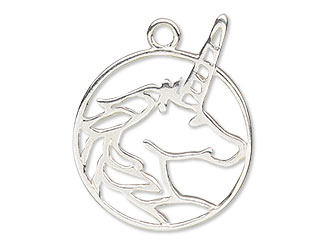 |
Unicorn | Purity | 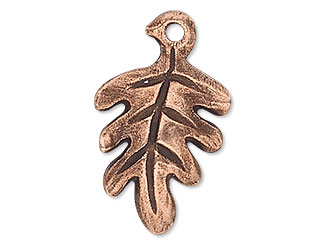 |
Oak Tree | Strength |
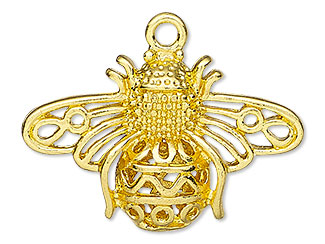 |
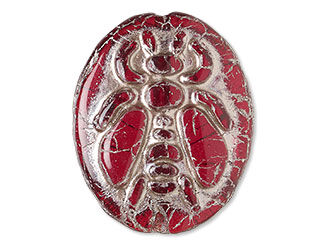
Bee | Community, hard work | 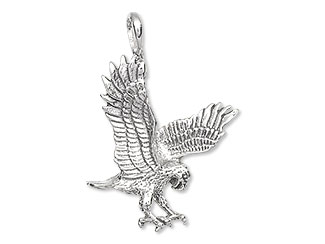 |
Eagle | Military power |
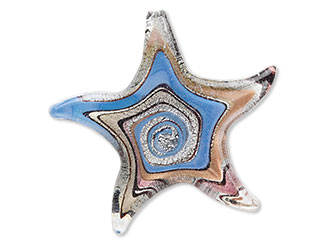 |
Star | Hope for the future | 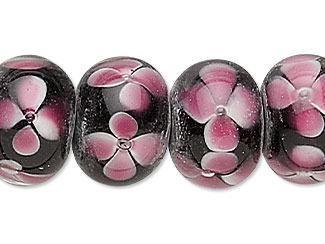 |
Flowers | Fertility, renewal |

Greece and the Balkan Region
Early jewelry of Greece and the Balkan region was crafted from available materials: stone, clay, bone, horn and teeth. Worn mostly by wealthy women, it was meant to celebrate the gods, provide protection and testify to wealth and social status.
The first metal jewelry in the region was created by the Mycenaeans. They worked primarily in gold, but also in silver, lead, bronze and metal alloys, creating rings, necklaces and pendants. Their designs were inspired by the Egyptians and by Eastern cultures, leading them to use motifs like scarabs and the lotus flower. Garnet, amethyst and carnelian gemstones were prominent.
During the Golden Age of Greece (480-323BC), jewelry creation exploded. Opulent jewelry pieces could symbolize power and wealth, but jewelry was also given as prizes for athletic competitions and as offerings to the gods. Brides wore jewelry that symbolized the change in their marital status. Not only that, jewelry was often buried with the dead, to accompany them to the next life.
Inspiration hint: Think about the reasons for jewelry in your life. Does it commemorate special occasions? Does it mean love, friendship or loyalty? Taking time to infuse your creations with meaning will take your designs—and your life—to a whole new level.
Golden Age jewelry was made of gold and silver for special occasions and of bronze for everyday wear. Techniques included filigree, chasing, repousse and casting, and the most used gemstones were pearls, chalcedony, carnelian, garnet, sapphire and emerald, with lapis lazuli, amethyst and jade being used as well.
Realistic images of gods, goddesses, heroes and mythological creatures adorned Golden Age jewelry, intertwined with flowers, laurel leaves, inscriptions and more.
| Iberian Religious Symbolism | |||
|---|---|---|---|
| Image | Symbol | Meaning | God/Goddess |
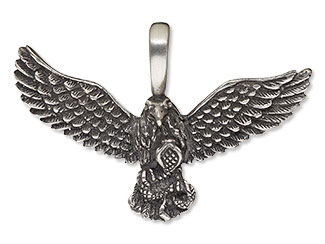 |
Eagle | Sovereignty, connection to the divine | Zeus |
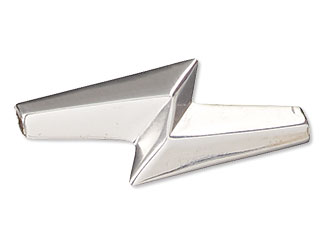 |
Lightning Bolt | Authority | Zeus |
|
Oak Tree | Strength, permanence, endurance | Zeus |
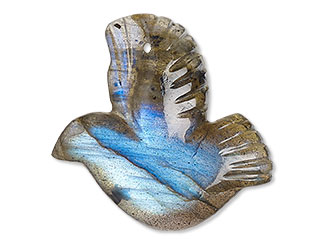 |
Dove | Romantic love | Aphrodite |
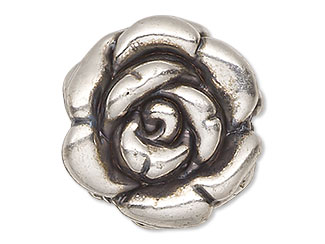 |
Rose | Beauty, passion | Aphrodite |
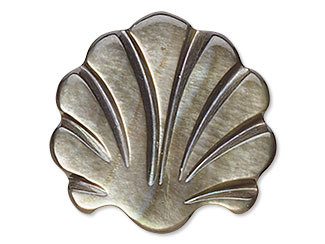 |
Seashell | Nurturing love | Aphrodite |
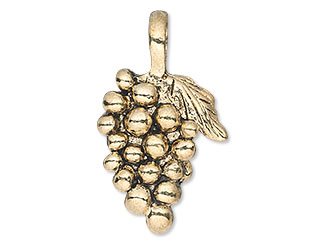 |
Grapes | Joy of life, chaos, wine | Dionysus |
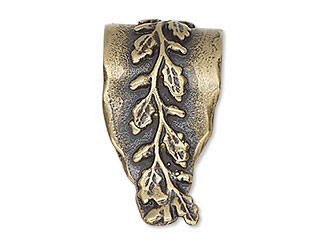 |
Ivy | Immortality, fidelity | Dionysus |
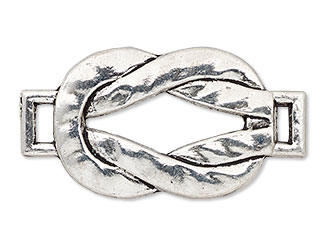 |
Herakles Knot | Strength, protection | Herakles/Hercules |
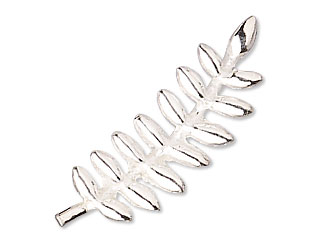 |
Laurel Leaves | Achievement | Apollo |
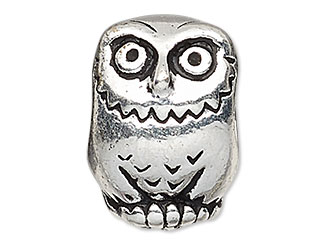 |
Owl | Wisdom | Athena |
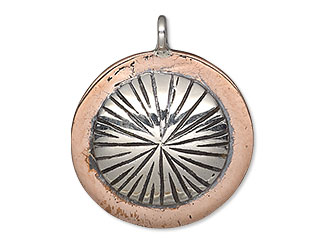 |
Aegis (Shield) | Protection, divine power | Athena |
The Hellenic period of Greece was short—only 177 years—but it brought great changes to Greek art. With the military campaigns of Alexander the Great (and earlier, by his father, Philip II of Macedon) different styles and materials were flowing into Greece. Scarab motifs were once again popular, as well as bracelets paired in the Persian style. All sorts of jewelry were in fashion, including necklaces, bracelets, arm and thigh bands, rings, pendants, pins, diadems and hair ornaments. Sardonyx was carved into cameos and intaglios, and multi-strand necklaces of rock crystal, turquoise and inlaid enamel were all produced during this era.
| Other Greek Symbols | ||
|---|---|---|
 |
 |
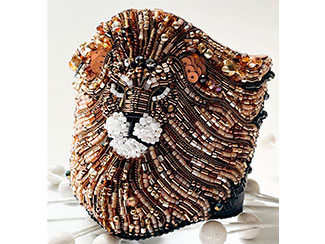 |
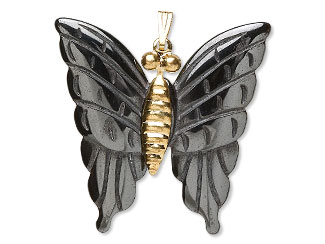
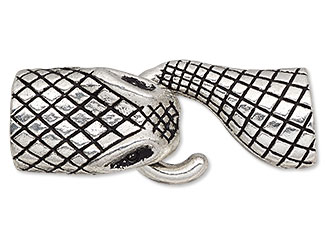
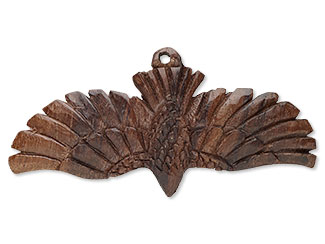
| Butterfly | Snake | Lion |
| Soul | Healing, rebirth | Courage, strength |
 |
 |
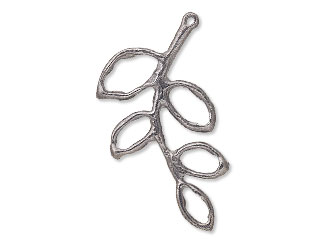 |
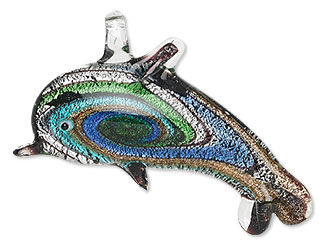
| Dolphin | Birds | Olive Branch |
| Good fortune, the sea | Link to the gods | Peace, victory |
The Greek empire faded from antiquity as the Romans rose to prominence. Greek styles gave way to Roman styles—focused on grandeur and wealth—and later to Christian and then Byzantine design aesthetics. The Byzantines used geometric ornamentation, as in the rug patterning pictured below.
Geometric Designs in a Balkan Carpet
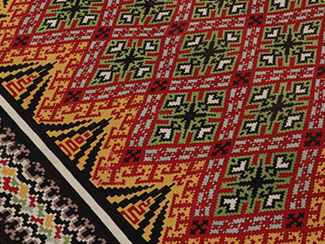
In 1453, the Ottoman Turks took over the Balkan region. Trade opened up between the different areas and styles became more widely disseminated, including Ottoman styles and styles from Western Europe. The mingling of any styles contributed to the Greek and Balkan aesthetic through the Renaissance into the 1800s. The main influences were Eastern Orthodox Christianity, Eastern motifs and art styles, and the Gothic, Baroque and Renaissance styles flowing in from Western Europe.
Inspiration hint: The geometric forms used in the Balkan regions were typically abstractions based on the natural things around them—plants, animals, mountains and more. Look around you for inspiration, and then create your own abstract patterns or symbols based on those special things.
The Turkish-Persian Renaissance combined the styles of the West with the motifs of the East, like curling branches, flowers, particularly the lotus and tulip, bells, Turkish braid, religious and hunting scenes and often, an absence of figurative imagery.
| Turkish-Persian Symbols | ||
|---|---|---|
| Image | Symbol | Meaning |
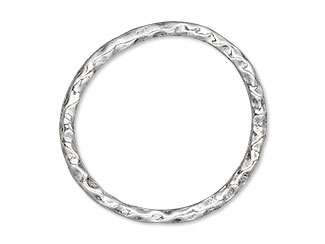 |
Circle | the Sun |
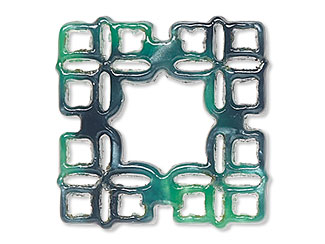 |
Square | the Land |
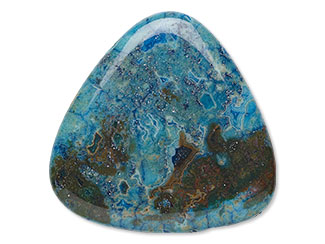 |
Triangle | the Christian Trinity |
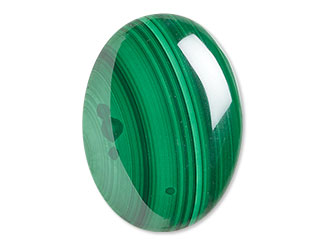 |
Single Cabochon | the Eye of God |
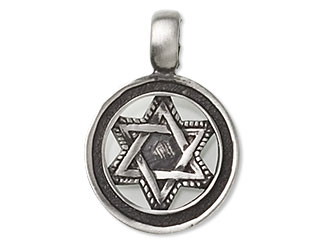 |
Star of David | Protection from Evil |
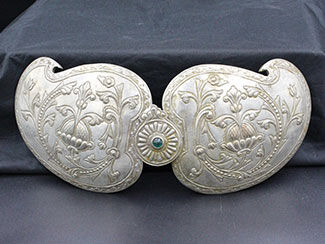
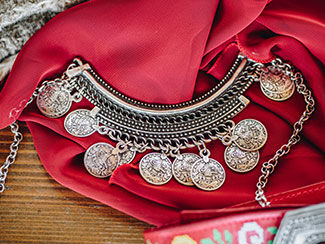
Greece gained its independence from the Ottomans in 1821, resulting in art trending toward establishing a national identity. The entire Balkan region was quite divided—geographically, ethnically, religiously and linguistically. Despite these differences, the jewelry across the region was similar: head ornaments with dangling pendants, necklaces featuring coins, large belt clasps and more.
Motifs of this new era included plant motifs, including palm an cypress trees and strawberries, birds—especially a “bird drinking water” theme—snakes, dragons, flowers, saints and Bible scenes.
Balkan Belt Buckle
To read more about the Greeks, read “Komboloi - The Mystery and the History of Greek Worry Beads” and “The Greek Alphabet Chart”.
In Macedonia, brides traditionally wore a belt and head ornaments with Turkish silver coins hanging from them. Together with the traditional 100 silver buttons on their clothing, this represented the great value of the bride. A groom would wear chain with coins for the wedding as well, but the coins for men were usually worthless ones—taken out of circulation or coins with very little genuine silver in them. The men’s coins were hung from chain suspended from shoulder to shoulder or from shoulder to waist.
Balkan Chain with Coins
Albania had a higher percentage of Muslims than the other Balkan states. Outfits and headbands could be adorned with glass beads and pearl buttons, said to ward off evil. Coils of metal (purling) were sewn to clothing in elaborately embroidered designs of birds, sun, moon and more—symbols filled with meaning for both Muslims and Christians.
| Albanian Symbolism | |||
|---|---|---|---|
 |
 |
 |
 |
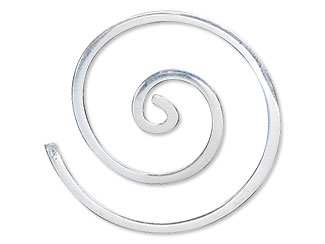
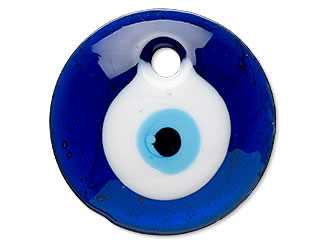
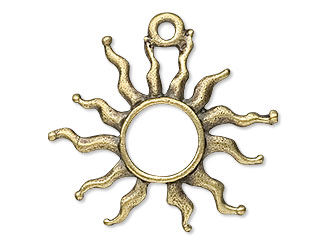
| Spiral | Eye | Sun | Gold |
| Eternity | Protection | Prosperity | Success |
Bosnia and Herzegovina is known for sapphires and rubies. Historically, the design aesthetic has been highly geometric due to the Ottoman influence. Gold mining is done there, and gold has always been important to the economy and culture of this region.
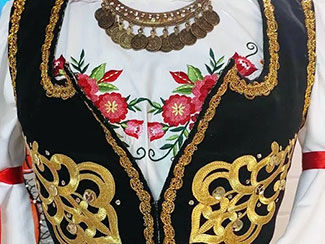
In Serbia, women’s waistcoats were embroidered with gold and silver metal thread, sequins and seed beads. In addition, the embroidery of coiled metal called purling was also used. Each pattern was infused with meaning.
Traditional Serbian Embroidery
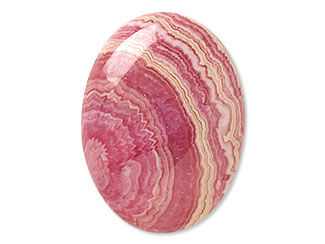
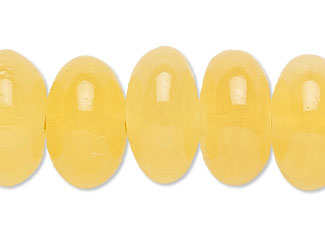
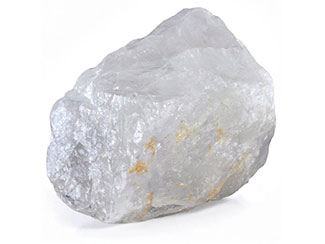
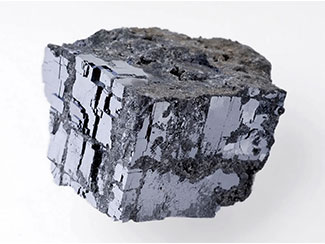
The traditional designs of Kosovo are similar to those of Albania, but heavier and larger. Gemstones found in Kosovo include rhodochrosite, calcite, galena, sphalerite and dolomite, and gemstones have been influential to the culture and economy for hundreds of years.
| Albanian Symbolism | ||||
|---|---|---|---|---|
| Rhodochrosite | Calcite | Dolomite | Galena | Sphalerite |
 |
 |
 |
 |
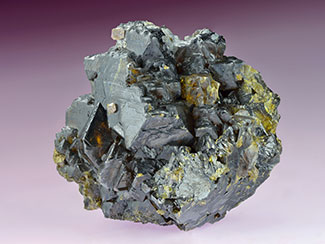 |
| It is typically a rose-red color, but it can also be shades of pink to pale brown. | It is a very common mineral, particularly as a component of limestone. | An anhydrous carbonate mineral composed of calcium magnesium carbonate, ideally CaMg(CO3)2 | Often associated with the minerals sphalerite, calcite and fluorite. | Is an ore of cadmium, gallium, germanium, and indium. |
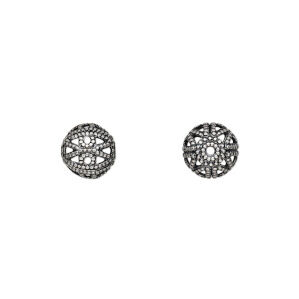
The different regions of Croatia have very different jewelry traditions. The Pag folk costume for women includes filigree beads and headpins to keep the triangular starched linen headdress in place. The Sibenik button, traditionally worn by men, was a hollow filigree round bead made of silver. Zlarin Island has been a source of red coral since the Middle Ages.
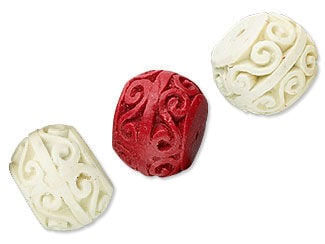
In Slovenia, the color of the beadwork on the traditional costumes is regional, with red and green representing the Alpine regions, and the blue and white of the sea, the coastal areas. Gemstones sourced from Slovenia since the Middle Ages include cerussite, descloizite in galena and cinnabar.
Cinnabar
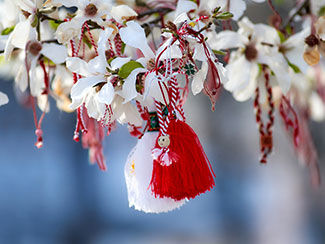
In Bulgaria, the traditional way to celebrate spring is with bracelets called Martenitsa. Made of twisted red and white thread, these ornaments are tied to a tree at the first sign of spring. The red represents health, strength and energy, and the white symbolizes purity, renewal and happiness.

Russia
The traditional Russian jewelry arts from its earliest days focused on beads made of glass, metal, bone and wood. The tiny beads were woven together, embroidered or strung. Beads were meant for protection against evil and not just for decoration.
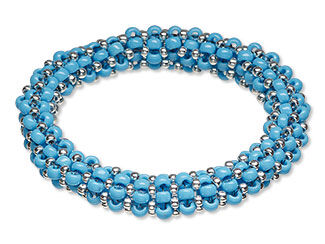
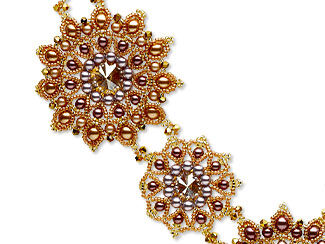
Inspiration hint: Try the age-old arts of bead weaving and bead embroidery. Not only will you create something beautiful, you’ll experience the age-old arts that go back to the beginning of human history.
In the early medieval age, silver prevailed, with jewelry being created from drawn or hammered wire—bracelets, torcs, rings and more, that served as the evidence and substance of a person’s wealth. Initially the designs were simple, but as time went by and as outside influences trickled in—particularly from the Byzantine Empire—the designs became more ornate. From afar came motifs of stars, grapes, plants and more, with the first truly Russian design being a lily. Filigree and granulation became prominent features of medieval Russian jewelry. Slavic influence led the geometric shapes joining with granulation for a new design style.
Granulated Components
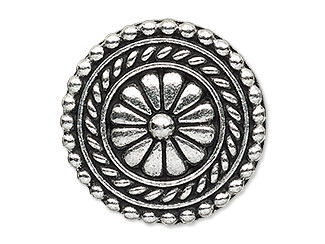
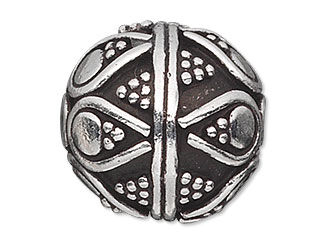
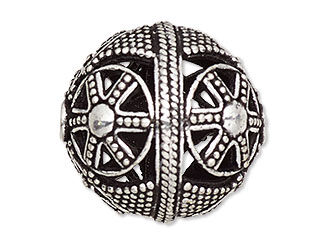
Later, as Scandinavian influences arrived, the designs changed to spirals and curves forming heart shapes and rosettes. Silver coins from the East were used as pendants, and later, pendants were crafted to mimic those silver coins.
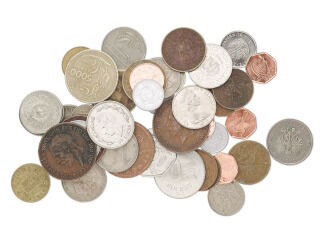
Inspiration hint: The Russians used what they had—coins—as part of their jewelry design. Take inspiration from ordinary objects you have on hand. Combine them with jewelry-making materials and techniques for a unique, contemporary style.
In 988 AD, Grand Prince Vladimir selected Christianity to be the official religion of Russia, influenced not only by the belief system, but by his desire to maintain good relations with the Byzantines. Jewelry styles reflected this change, with Christian imagery, including images of Christian saints, becoming prominent.
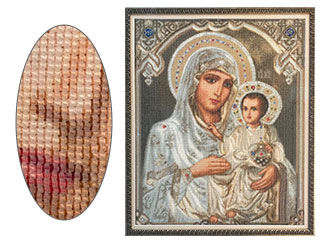
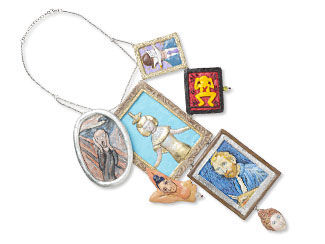
Inspiration hint: Include realistic images of scenes from your faith tradition, your life and other meaningful motifs in your jewelry designs.
In the later Middle Ages, jewelry designs became more complex and ornate. Decorations filled the surfaces of jewelry pieces, with painted flower and plant motifs as well as images of saints and other Christian themes, animals, celestial bodies, birds, gryphons, sirens, scenes of royal life and more. Enamelwork and cloisonne centers were surrounded by elaborate filigree, including knotwork designs, fleur-de-lis motifs and more.
The Romanovs, who ruled Russia from 1613 until 1917, had a deep appreciation for beauty and, with their immense wealth, commissioned some of history’s most ornate and exquisite jewelry. Their dazzling tiaras, scepters and gem-encrusted treasures showcased masterful craftsmanship. The diamond-studded Romanov-era tiaras were modeled after the kokoshnik, a tall, crested headdress tied in the back with ribbons worn by married women. A kokoshnik usually included beads, pearls, embroidery and gold with plant and flower motifs. A treasure of this magnitude would become an heirloom passed from generation to generation.
Woman Wearing a Modern Kokoshnik
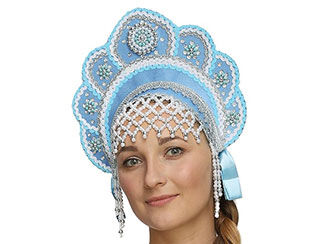
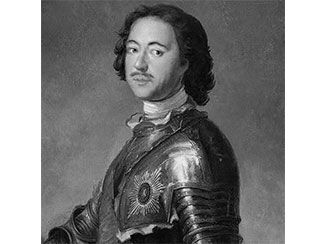
Well-known Romanovs included Peter the Great, who ruled from 1682 until his death in 1725. Peter the Great had a love for the West and brought in foreign jewelers to instruct his craftspeople in western techniques. Trade with the East also influenced styles during the reign of Peter the Great, with Chinese-inspired pieces being very popular.
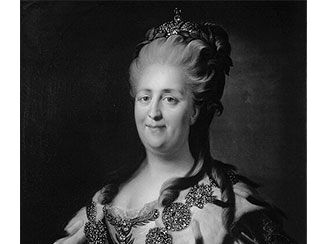
Another celebrated leader of Russia was Empress Catherine the Great, who ruled from 1762 until 1796. She ushered in the Golden Age of the Russian Empire, a time of prosperity and renaissance of the arts. Catherine herself was a patron of the arts with a love for jewelry and in particular, amethysts.
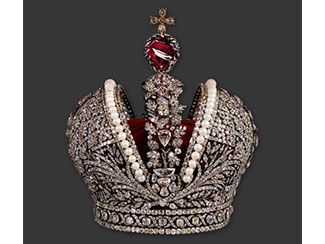
Exemplifying the extravagant wealth and splendor of the Romanov Dynasty is the Imperial Crown of the Romanovs. It included nearly 5,000 diamonds, dozens of pearls and a 398.72-carat spinel—second largest in the world at the time—symbolizing the divine right to rule.
The House of Bolin was founded in St. Petersburg in 1790. This company was the official jeweler for seven consecutive Russian rulers, making the opulent tiaras, necklaces, brooches and more for the royal court. The company is still in existence, having moved to Stockholm, Sweden, during the first World War, where the company is the official Swedish Court Jeweler to this day.
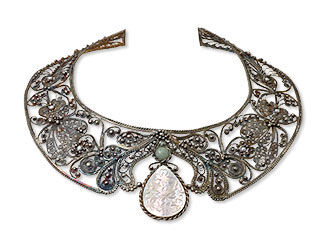
Necklace inspired by the jewelry of the Romanovs
Fabergé, which began in 1842, became the official royal jewelry house for the final two Russian tsars. Fabergé began as a jewelry company but branched out to making decorative objects in the 1880s. Fabergé is most famous for their exquisite eggs. In 1885, Carl Fabergé created the first Fabergé egg, the Hen Egg. Tsar Alexander III gifted the egg to his wife for Easter, and thereafter, a new egg was ordered each Easter.
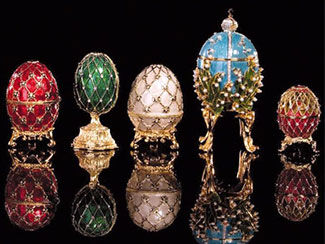
Inspiration hint: Beads and gemstones can be used for so much more than jewelry. Get inspired by Fabergé’s foray into the decorative arts to create your own masterpieces.
Purse Inspired by Fabergé
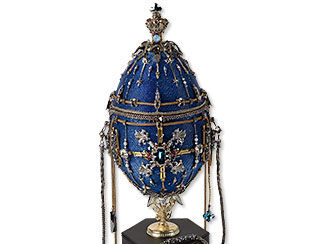
In 1917, the Bolshevik Revolution shattered the grandeur that had belonged to the Romanovs. Jewels were seized, workshops dismantled and treasures sold to fund industrialization. Soviet jewelry was minimalistic and modern. After the USSR’s fall in 1991, some of these lost masterpieces resurfaced, offering a glimpse into a bygone era of artistry and splendor.
| Russian Symbolism | ||||
|---|---|---|---|---|
 |
 |
 |
 |
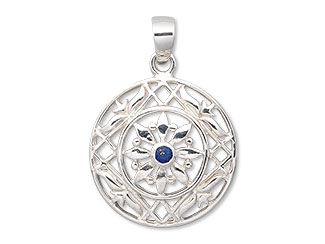 |
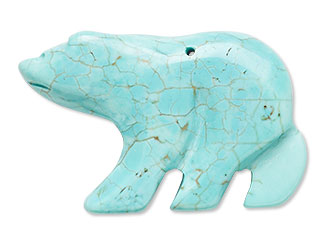
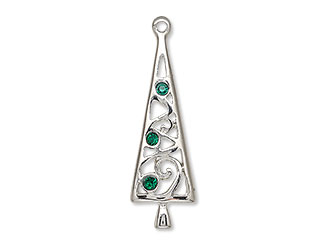
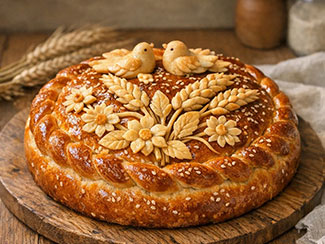
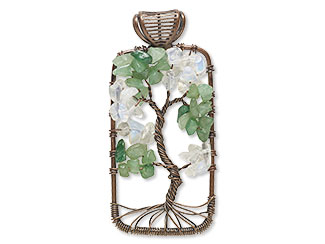
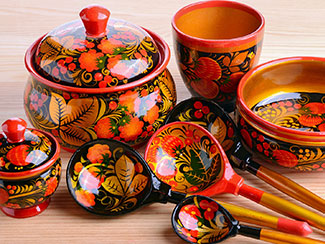
| Bears | Siberian Fir Tree | Korovai (Bread) | Tree of Life | Geometric Patterns |
| Power, strength and protection; adding fish or honey symbolizes prosperity | Perseverence and determination | Happiness, harmony, prosperity | Interconnectedness, growth, the cycle of life | Protection, unity, celestial elements |
 |
 |
 |
||
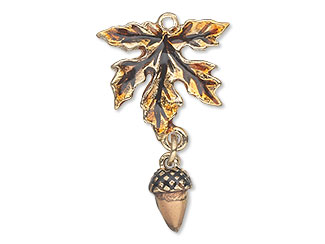
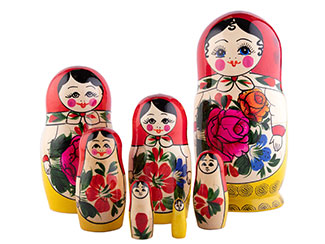
| Oak / Acorn | Khokhloma (Painting) | Matryoshka (Nesting Dolls) | ||
| Strength and resilience; they're represented on the Imperial Crown | Beauty, wealth, the earth | Fertility, motherhood | ||

Eastern Europe

In ancient times, Eastern Europe was rich with resources. They were a source of copper from the earlier days, and during the days of ancient Rome, they grew wealthy due to the highly desired amber beads and gemstones they produced. Trade extended in all directions—Rome in the southwest, Scandinavia to the north, and Russia to the east. They made necklaces, bracelets, brooches, headbands and more. The early styles included filigree, granulation and adornments of chain, with one archaeological find yielding jewelry with sardonyx gemstones set in precious metal.
During the Middle Ages, Eastern Europe became a melting pot of many cultural styles. With the Vikings invading from the north, and the popularities of styles from Western Europe, Asia and the Islamic world, there were few styles that could claim to be primarily “Eastern European,” although the political system of small kingdoms created pockets of local culture, each of which had their own distinctive styles.
In Eastern Europe, Amber was traditionally both popular and infused with meaning. It was thought to bring healing, and was even ground up, dissolved in wine and served as a healing beverage. In Poland, it was called “Baltic gold” and was strung on red thread for protection. Traditional Polish jewelry also included silver, garnet, coral, combinations of brass and leather, agate, smoky quartz and river pearls as well as the arts of wire-wrapping, granulation and filigree.
| Polish Symbols | |||
|---|---|---|---|
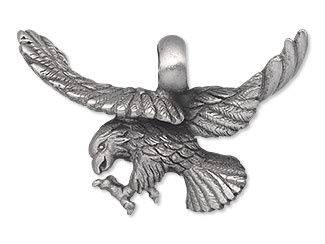 |
Eagle | Poland | |
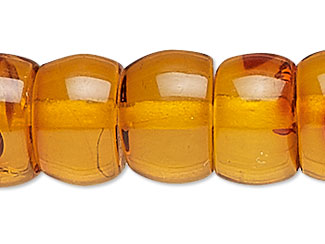 |
Yellow Amber | Good fortune, protection | |
 |
Black Amber | Bad luck | |
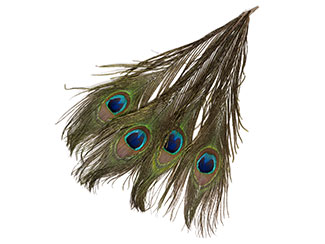 |
Peacock Feather | Beauty, pride, elegance | |
Romanian traditions include patterned beads with geometric and floral designs, as well as bone cut into geometric shapes and carved with designs. Traditional materials for jewelry making include glass, wood, bone and metal. Beads were embroidered on blouses, vests and headpieces using symbolic colors. But beads were more than art to the Romanian woman—they were a source of family and social bonding. As the women spent time beading together, they deepened their relationships and formed a unity that is hardly to be replicated in the post-industrial world.
| Romanian Color Symbolism | |||
|---|---|---|---|
| Red | Love, Life | ||
| Blue | Sky, Freedom | ||
| Green | Nature, Fertility | ||
Inspiration hint: As you create, ponder more than the finished product. The process itself can be meaningful, whether it’s the mental relaxation that comes from creating or the fellowship that comes with crafting with others.
Moldova’s jewelry traditions have crossover with both Romanian and Russian traditions. Highly symbolic, traditional adornments were made of metal, gemstones and intricate enamel. The following chart explains some of the many Moldovan symbols.
| Symbolism of Moldova | ||||
|---|---|---|---|---|
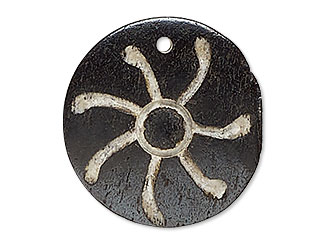
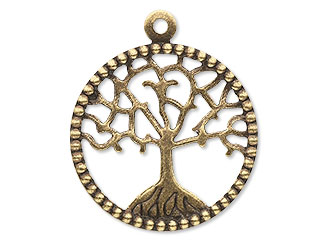
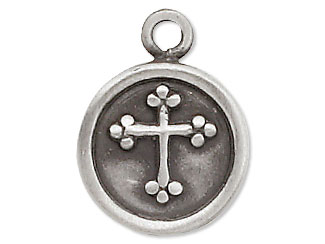
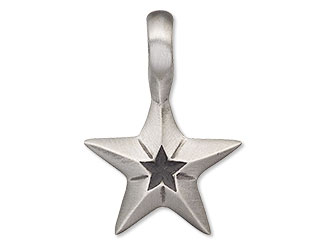
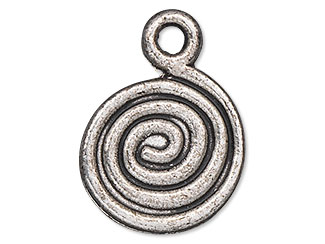
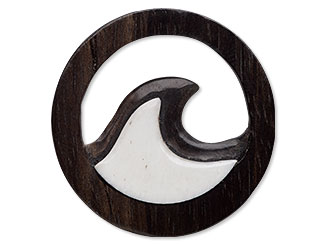
| Sun | Tree of Life | Cross | Star | Birds |
 |
 |
 |
 |
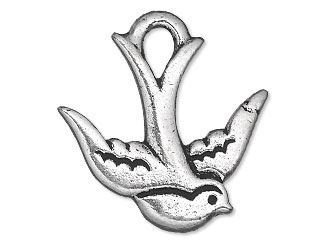 |
| Fertility, protection, light | Growth, protection, unity | Faith, protection | Divine guidance | Messenger, freedom |
| Triangle | Diamond | Spiral | Water Waves | Flowers |
 |
 |
 |
 |
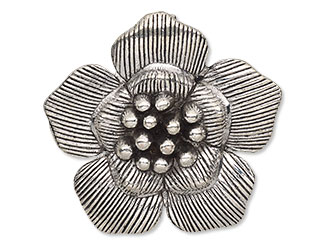 |
| Femininity, fertility | Protection, fertility | Continuity, cycle of life | Cleansing, the flow of life | Beauty, resilience |
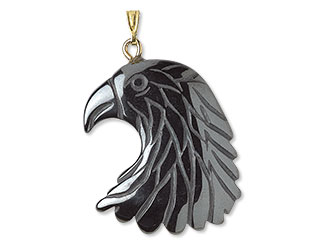
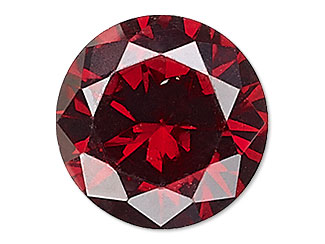
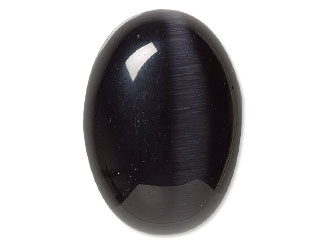
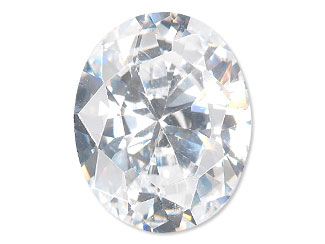
| Eagle | Red | Black | White | Red, black and white are the traditional colors of Moldova. |
 |
 |
 |
 |
|
| Freedom, power | Vitality | Protection | Purity | |
Estonian jewelry is known for its minimalism and functionality. Like other countries in the region, their designs used amber and coral, with an emphasis on their traditional colors, red, white and black. An important tradition for woman was long, heavy necklaces made of metal coins, which were worn for a lifetime and then buried with the wearer.
Jewelry has historically been of high importance in Ukraine. Traditional materials included gold, silver, brass, pearl and mother-of-pearl, but the material that was the most ubiquitous was red coral. Imported from either the Red Sea or the Mediterranean Sea, red coral was made into beaded necklaces that women wore on an everyday basis. Coral necklaces, often accented with silver or brass beads at intervals and tied at the back, were worn as a display of social status. The more strands a woman wore, the higher her standing—sometimes as many as thirty or forty at once. In the late 1800s, faux coral made of wax, horn and tone was also available, reducing costs for this traditionally expensive symbol.
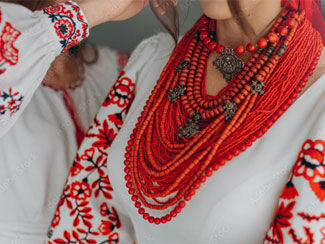
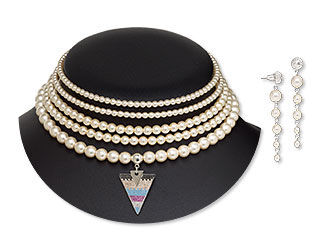
In some regions of Ukraine, a single strand of amber beads slightly longer than the coral beads was worn as well. Choker-style, multi-strand pearl necklaces were also added to the mix, with pearls from the Persian Gulf being the most prized. People who couldn’t afford pearls could buy silver-lined glass pearls that mimicked the luminous quality of the real thing. Necklaces of chain or ribbon holding large cross pendants were worn, sometimes underneath clothing and sometimes visibly, providing a centerpiece to offset the dozens of round strands of pearls and coral above them. Necklaces of mother-of-pearl shell beads alternating with coin pendants were also a favorite Ukrainian style.
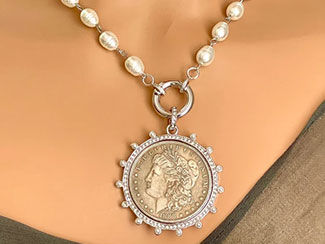
Inspiration hint: Some material pairings spring to mind easily, but others don’t—such as the Ukrainian use of mother-of-pearl shell with coins, or amber, pearl and coral. Experiment with unusual combinations that are meaningful and beautiful to you to create unique, standout jewelry pieces.
Filigree and granulation are traditional Lithuanian techniques. Motifs included things from the natural world as well as elements from their ancient mythology. Silver, wood and amber prevailed.
| Lithuanian Symbols | ||||
|---|---|---|---|---|
 |
 |
 |
 |
|
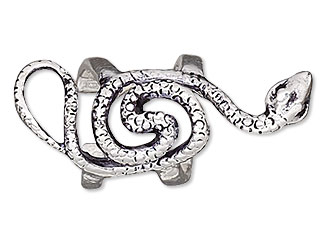
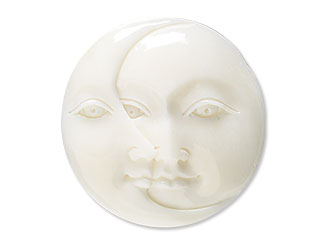
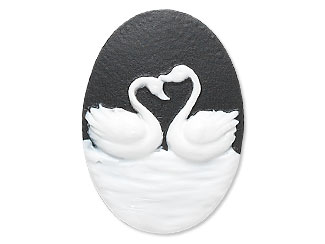
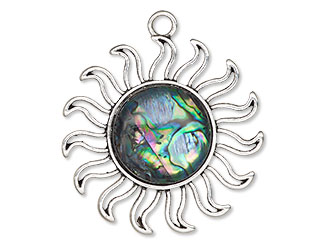
| Serpent - abstracted as a wavy or spiral line - symbolized wisdom and fertility | Moon - symbolized intuition and femininity | Swan - symbolized prophecy | Sun - often depicted as a circle with rays or dots around it - symbolized life and rebirth | |
Bracelet by artist Ezartesa representing a Lithuanian Fairy Tale
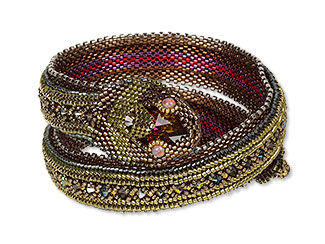
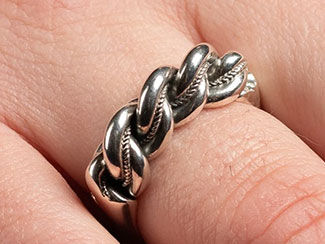
Latvian jewelry traditions are similar to Lithuanian ones, as they share the same mythology. A twisted ring called a Namejs ring is considered a symbol of Latvian spirit and unity. Legend tells of a 13th century warrior, Namejs, who gifted his son a ring as he fled from his German enemies in order that he could recognize his son no matter how much time passed before they met again. The Germans, however, discovered the meaning of the ring and went to capture the son of Namejs. The men of Latvia, however, tricked the Germans. They all wore rings that matched the ring of the boy, and thus the Germans were unable to apprehend him.
This article offers a glimpse into the rich world of jewelry symbolism, history and meaning. Let it spark your curiosity to explore an element that speaks to you—whether through culture, personal style or life experience. As you uncover its story, from the why to the who, you may find that these shared connections are what give jewelry its lasting meaning.
For more sacred symbols in jewelry, visit the article here.
Shop for Your Materials Here:
Have a question regarding this project? Email Customer Service.
All works of authorship (articles, videos, tutorials and other creative works) are from the Fire Mountain Gems and Beads® Collection, and permission to copy is granted for non-commercial educational purposes only. All other reproduction requires written permission. For more information, please email copyrightpermission@firemtn.com.
**Please note that all metaphysical or healing properties listed are collected from various sources. This information is offered as a service and not meant to treat medical conditions. Fire Mountain Gems and Beads® does not guarantee the validity of any of these statements.