

Wilderkind Jewelry Enchanting, Organic Motifs for Jewelry Design

What is Wilderkind?
The wilderkind trend embraces an organic, forest-animal ethos, kinder and gentler than the bold zebra stripes and leopard prints that saying “animal print” brings to mind. It’s a soft, ethereal aesthetic, embracing the little creatures of the woods, from butterflies and mice to deer and foxes, not in a cutesy, cartoonish way, but driven by a sweet realism, authentic and dreamlike. It’s a return to a more innocent, natural reality.
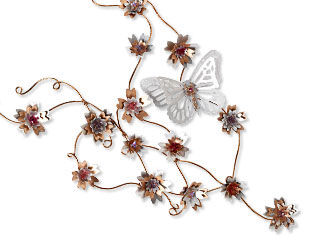
The word “wilderkind” comes from the German words, “wilder” and “kind.” “Wilder” comes from the mythical wild men and women of the woods—woodland spirits that could be benevolent or sinister. The term “wild man” (wilder mann in German; homme sauvage in French) has been in use in continental Europe since the Middle Ages and is comparable to the English “faun” or “satyr.” “Kind” is the German word for child. It’s the root of the English word “kindergarten.”
The wilderkind motif can be layered with other aesthetics, used in conjunction with them for a juxtaposition of two similar—or dissimilar—looks. For instance, wilderkind is similar to forestcore, but its focus is softer and dreamier. Dreaminess is present in the fairycore aesthetic, but wilderkind lacks the fantasy creatures. The sweetness of wilderkind is present in cottagecore, but wilderkind revolves around the forest and forest hues, whereas cottagecore embraces the home and pastels. Wilderkind adopts the organic essence of boho trends, but is greener, sweeter and more ethereal. Even urban fashion can be paired with wilderkind by bringing elements from the natural forest environment to metro-themed designs.
Interpreting Wilderkind
A literal interpretation of the wilderkind aesthetic takes the flora and fauna straight from the forest and embeds them in jewelry design. You might have a fox or a beetle, a mouse on a mushroom, or a butterfly with an owl. Use charms or pendants in the shape of creatures, or create your own from polymer clay, metal clay, or with paint.
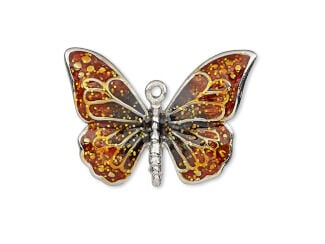
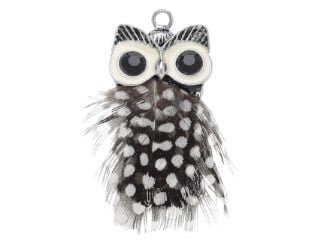
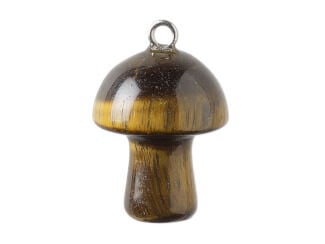
An abstract interpretation takes inspiration from forest plants and animals, using the dappled coat of a fawn, the ragged texture of bark, the swirling patterns of moss or the intricate designs of a butterfly’s wing to create visual interest and a woodsy reference without depicting the creatures by which the designs were inspired.
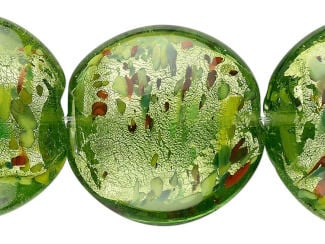
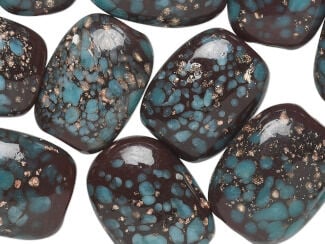
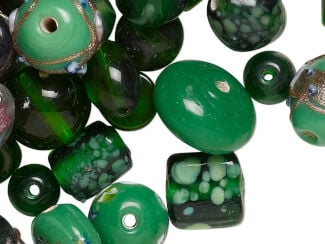
Wilderkind designs are flowing and organic, without harsh edges or bold colors. Think gentle, sweet, organic shapes and colors that bring the wearer a sense of a peaceful forest.
Wilderkind Colors
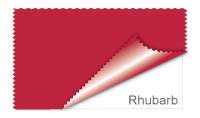
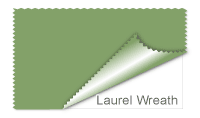
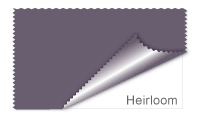
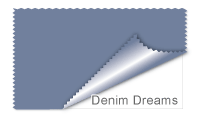
Wilderkind hues are drawn from the forest itself—layers of green reminiscent of moss-covered leaves and shadowed groves. Warm gray-beige tones echo mushrooms and the rich textures of the forest floor, while soft creams capture the glow of dappled sunlight. Natural wood tones complete the palette, evoking the quiet strength of towering trees.
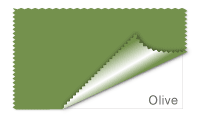
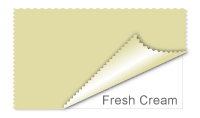
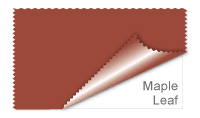
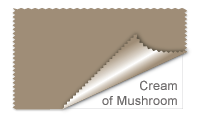
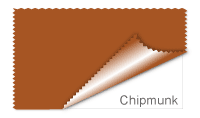
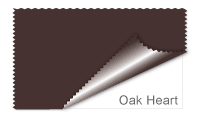
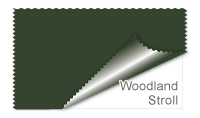
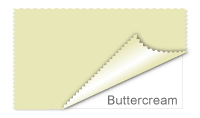
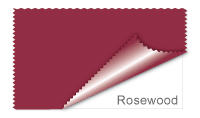
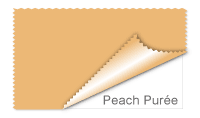
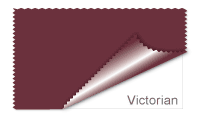
Muted colors are accents only – a tawny orange for the back of a fox, rose and lilac for flowers, an occasional hint of yellow and bright green to represent the insects that roam the forest floor.

Wilderkind Materials
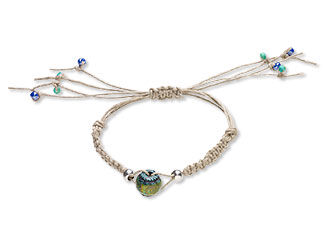
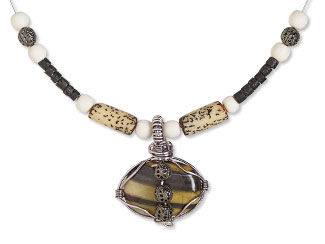
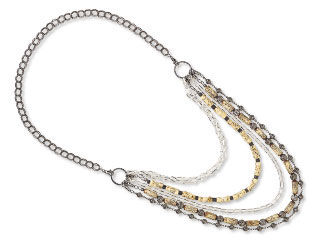
In keeping with the aesthetic, the preferred materials for the wilderkind trend are natural, organic, earthy materials like leather, straw, wood and stone. Consider using natural fibers like cotton, linen or hemp for stringing jewelry designs or working with natural wood and nut beads.

Feathers
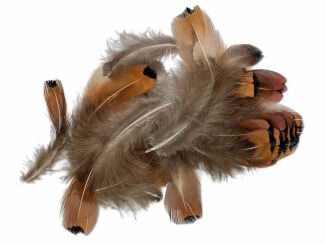
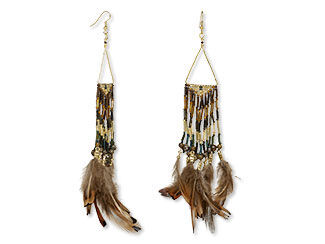
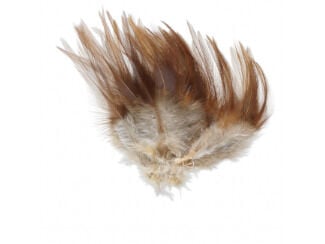
Feathers embody the light, ethereal essence of the wilderkind theme, while celebrating the tiny woodland creatures who fill the forest with song. To learn more about using feathers in jewelry designs, read " ’Feathering’ Jewelry and Accessories”.
Leather
Leather's earthy texture and warm, natural hues make it an ideal complement to the wilderkind palette. Soft and flexible, it conveys the understated elegance and organic movement at the heart of this design trend.
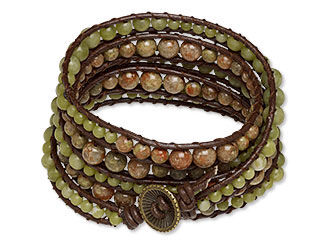
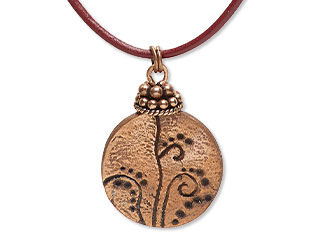

For more about working with leather for jewelry design, read the article, “Intro to Leather”.
Wood
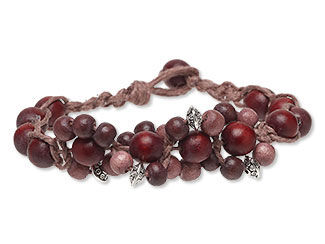
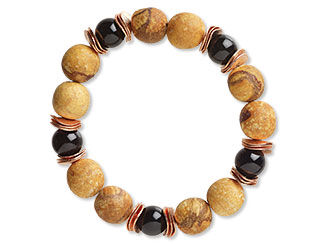
Wood is the essence of the forest itself—the material from which towering trees grow and woodland habitats take shape. Its warm, natural tones breathe life into the cool greens, muted creams and gentle greys that characterize the wilderkind palette. You can learn more about wood jewelry components in the article, “Versatile Wood Jewelry”.

Seeds and Nuts
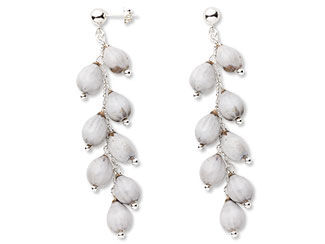
Seeds and nuts are the building blocks of the forest, carrying within them the promise of future growth. Even more elemental than wood, these natural materials embody potential, renewal and the quiet beginnings of something greater. Read more about seeds as jewelry in the article, “Organic Jewelry: Wood and Nut Beads”.
Gemstones
Although the sparkling, faceted varieties come to mind first when gemstones are mentioned, the bottom line is that gemstones are rocks—natural and earthy—and as such are perfectly suited for the wilderkind aesthetic. Choose smooth, rounded gemstones for a quiet, gentle look, or select nugget or pebble gemstone beads for a touch of earthy texture.
Nature's palette is reflected in countless gemstones, making the wilderkind look easy to achieve. Explore a few possibilities below—and refer to “Colors of Gemstones, Shell and More” for additional options.
| Creams and Whites | |||
|---|---|---|---|
| Riverstone |  |
Magnesite |  |
| "Onyx," Italian | 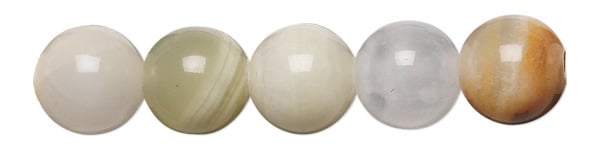 |
Golden Rutilated Quartz |  |
| Mossy Greens | |||
|---|---|---|---|
| Jade, Jadeite |

|
Rhyolite |

|
| Jasper, Gree Line |
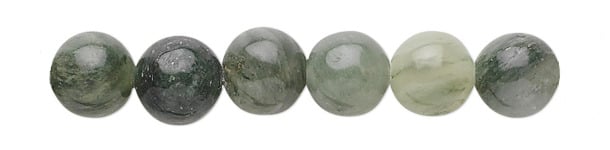
|
Zoisite |

|
| Jade, Nephrite |

|
Agate, Moss |

|
| Serpentine |

|
Agate, Tree |

|
| New "Jade" |

|
Peridot |

|
| Tourmaline, Green |

|
Jasper, Brecciated |

|
| Greys | |||
|---|---|---|---|
| Jasper, Silver Leaf |

|
Snowflake Obsidian |

|
| Moonstone, Silver |

|
Jasper, Picasso |

|
| Lodolite |
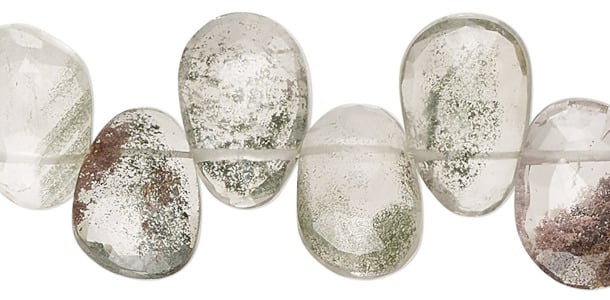
|
"Jasper," Zebra |

|
| Beiges and Browns | |||
|---|---|---|---|
| Moonstone, Multicolored |

|
Tiger Iron |

|
| Jasper, Brecciated |

|
Tigereye |

|
| Petrified Wood |

|
Jasper, Leopardskin |

|
| Jasper, Picture |

|
Landscape Stone |
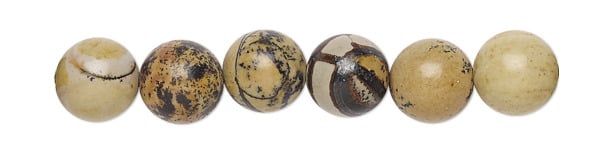
|
| "Jasper," Tigerskin |

|
Bronzite |

|
| Jasper, Moukaite |

|
Wooden Agate |
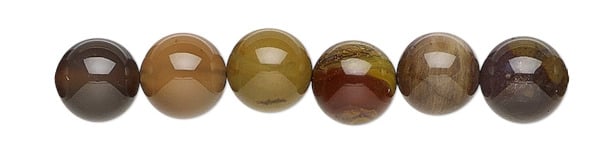
|
| Agate, Crazy Lace |

|
Soapstone |

|
| Muted Colors for Accents | |||
|---|---|---|---|
| Dumortierite |

|
Rhodochrosite |

|
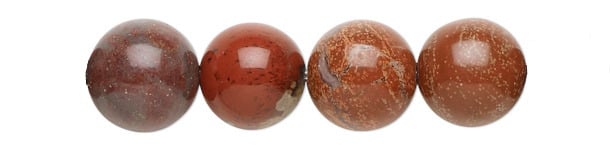
| Jasper, Red Flake |
|
Aventurine, Green |

|
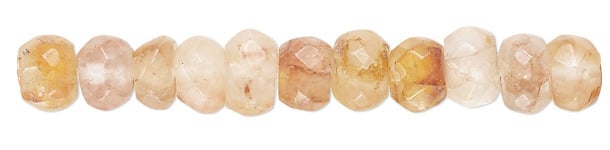
| Quartz, Yellow Iron |
|
Garnet |

|
| Tanzanite |

|
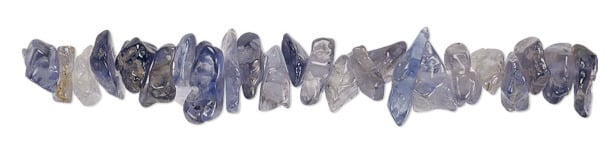
Iolite |
|
For more information about using natural, organic components for jewelry making, read the article, “Natural Beauty: Designing with Sustainable & Ethically Sourced Organic Materials” and watch the video, “Beyond Boho”.
Forest Creature Inspirations

Creatures are the heart of wilderkind; not bold fierce creatures, but the little forest dwellers of a fairy tale world, like a Beatrix Potter story come to life. Explore some options for meaningful creature designs and components below.
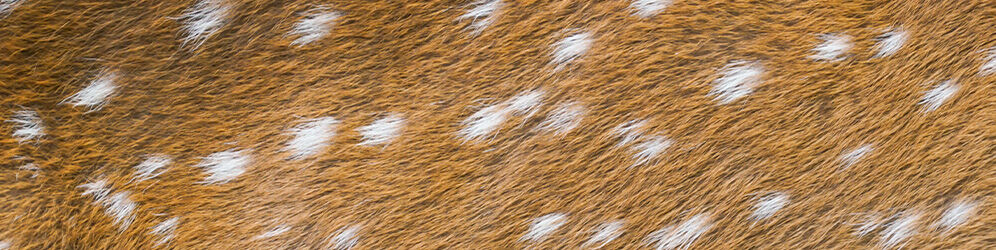
Fawns and Deer
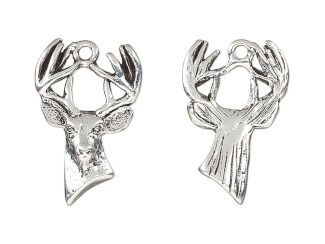
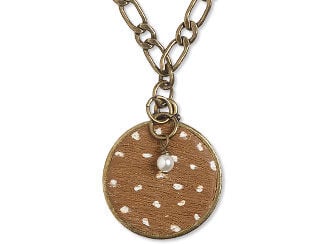
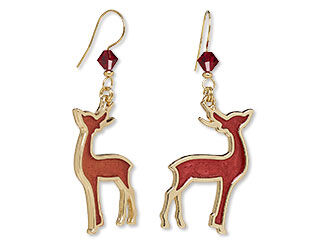
Among the most recognizable Wilderkind motifs is the fawn print—a soft caramel backdrop scattered with delicate white spots. This woodland-inspired pattern has found its way into fashion, appearing on fabrics, faux furs, footwear, home décor and, of course, jewelry. Recreate its gentle beauty in polymer clay or paint, embrace a deer theme with charms and pendants, or take a more subtle approach by pairing warm caramel browns with creamy neutrals to evoke the essence of a fawn without being overly literal.
Lizards and Salamanders
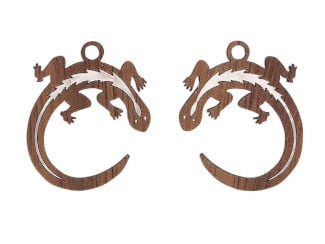
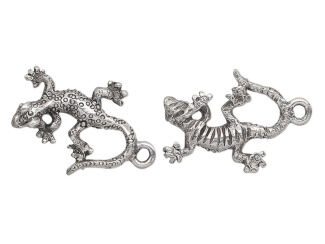
Tiny green, grey and brown lizards and bright orange salamanders creep through the detritus on the floor of the forest. These tiny forest dwellers are a perfect addition to a wilderkind design. Lizards are associated with sun-warmed stones, resilience ad renewal, whereas salamanders, with their secretive ways and transformation during metamorphosis, bring a natural fantasy element to woodland designs.
Squirrels and Chipmunks
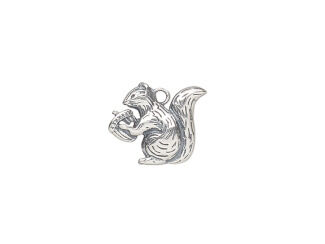
With their charming faces, fluffy tails and habit of gathering nature's bounty for the winter months, squirrels and chipmunks are beloved inhabitants of the forest. Their connection to growth, abundance and woodland life makes them a natural fit for wilderkind jewelry designs.
Foxes
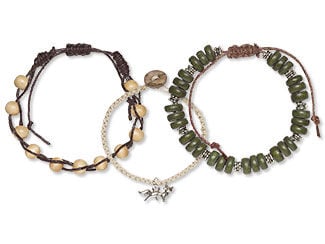
Whether you think of foxes as sweet and cunning or sly and devious, they’re a wonderful addition to a wilderkind-inspired collection. Choose a fox charm or focal or simply take inspiration from the russet hue of fox fur.
Hedgehogs
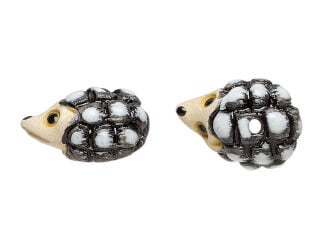
What could be more darling that a tiny hedgehog adorning your jewelry designs? Celebrate these sweet, nocturnal creatures and their contributions to the forest—as well as their associations with protection and quiet strength.
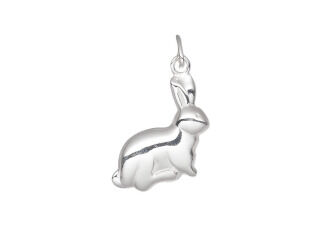
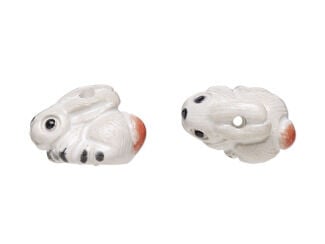
Rabbits
With their combination of gentleness and speed, rabbits are a no-brainer for a wilderkind aesthetic. Because of their association with springtime, rabbits can symbolize new beginnings, growth and renewal.

Forest Floor Design Inspirations

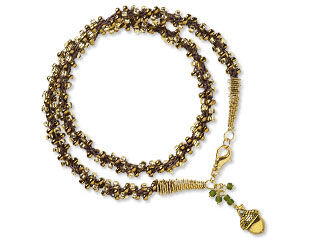
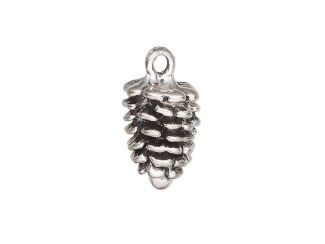
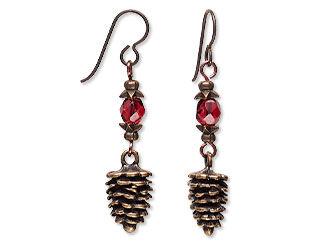
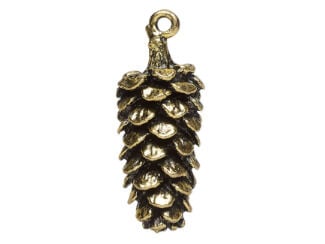
The forest floor is a wonderland of living creatures, a miniature ecosystem teeming with life, from tiny plants, moss and flowers to insects, spiders and mushrooms. Don’t forget the tiny souvenirs from the trees above—acorns, nuts, seeds and pinecones—which can all inspire wilderkind jewelry designs.
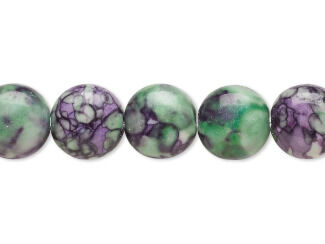
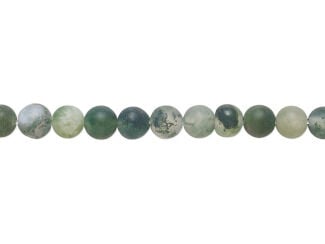
Moss
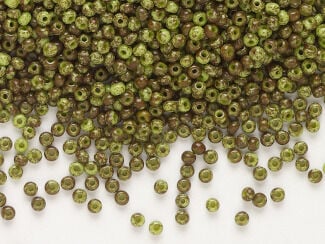
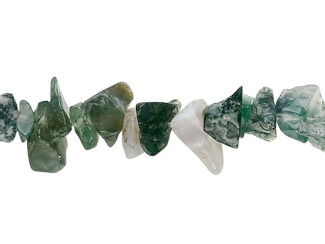
Represent moss by using patterned beads and components to evoke the shady softness of this woodland carpet.
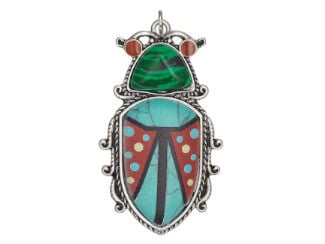
Beetles
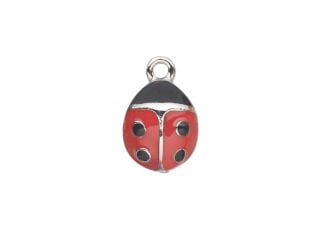
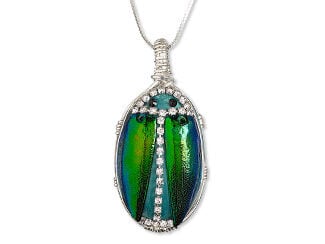
Beetles are the hidden heroes of the forest, breaking down fallen leaves and trees, aerating the soil and eating destruction insects. Their beautiful colors make them the perfect colorful accents for wilderkind designs.
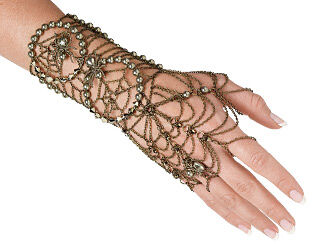
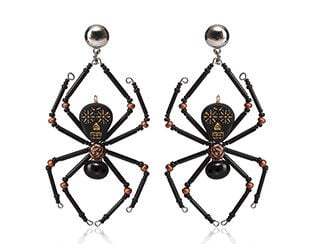
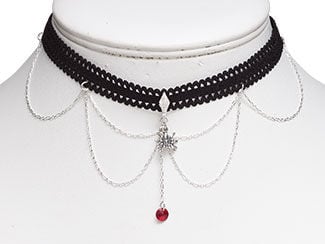
Spiders
Spiders embody the quiet magic of the forest. Essential for maintaining balance within the ecosystem, they also create intricate webs that gleam with dew at dawn, adding beauty to the woodland landscape.
Mushrooms
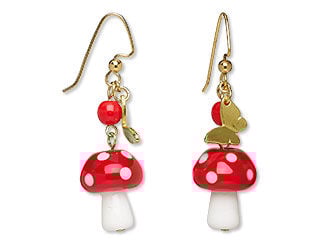
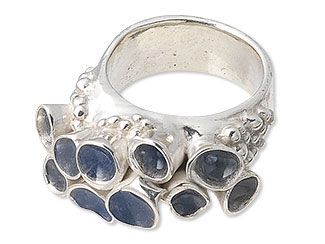
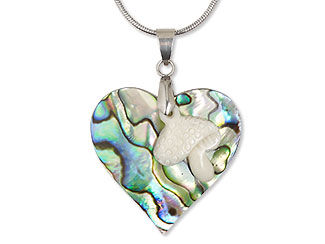
As mysterious as the forest mists themselves, fairy rings of mushrooms pop up from moss-covered ground. A frequent motif in jewelry design, mushrooms can be bright, colorful and cutesy or delicate and refined. For more about designing with a mushroom motif, read “Fungi in Fashion”.
Acorns
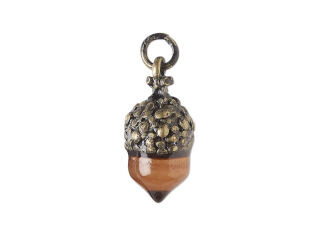
Full of the promise of a full-grown oak after being grounded and grown, acorns make charming design elements.

Pinecones
Forest Canopy Design Inspirations

Butterflies
Butterflies are a common theme in jewelry design, due to their beauty and meaning. They fit in perfectly with the wilderkind theme—dainty, woodsy, ethereal—all the things wilderkind represents. Consider abstract as well as realistic representations of butterflies for your jewelry designs. Select a pattern from their wings to reproduce, a shape or series or shapes, or let the colors inspire your designs. For more information about designing with butterflies, read “Butterfly Jewelry: Let Your Creativity Soar”.
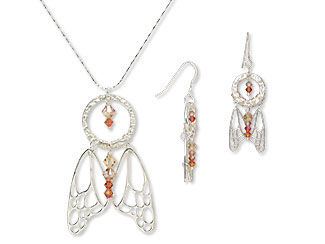
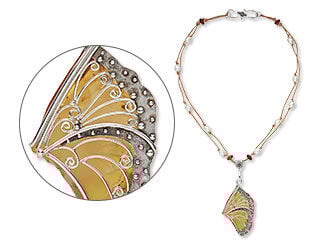
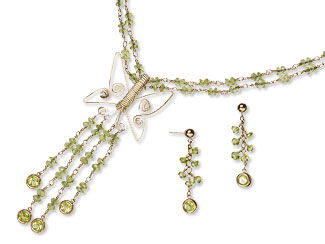
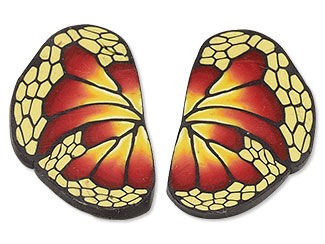
If the pattern of butterfly wings is your inspiration, read the instructions in the article, “Making a Butterfly Polymer Clay Cane” and begin creating!
Moths
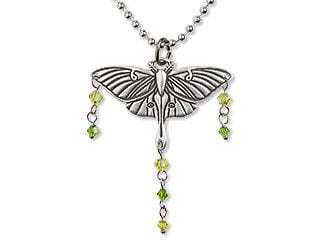
Moths have a moonlit enigma about that that their showier cousins don’t possess. Choose a moth theme for a silver twilight vibe or a pale, more wilderkind-themed color palette.
Bees
Add a touch of sweetness to your wilderkind designs with bee components.
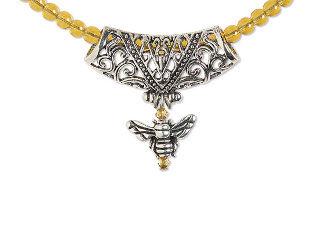
For more about designing bee-themed jewelry, read, “Flight of the Bumblebee”.
Owls
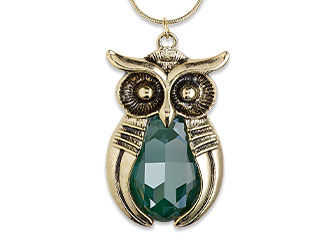
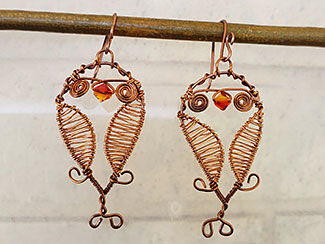
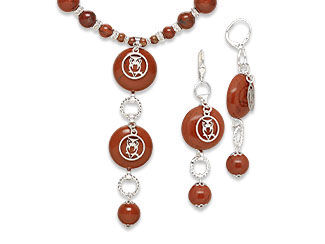
No forest would be complete without the owl. The symbol of wisdom and intuition, owls are a perfect addition to a wilderkind collection.
Birds
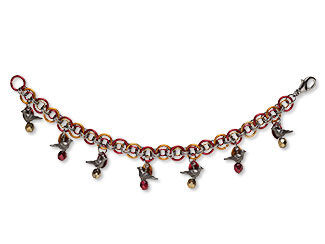
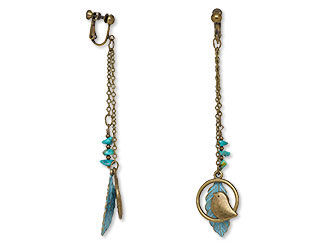
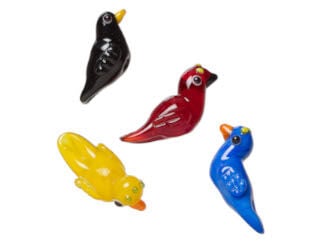
The celestial voice of the forest, birds are a must for wilderkind designs. With their trilling song and soft feathers, they perfectly capture the sweet, back-to-nature essence of this woodsy aesthetic.
Forest Pond Design Inspirations

Frogs
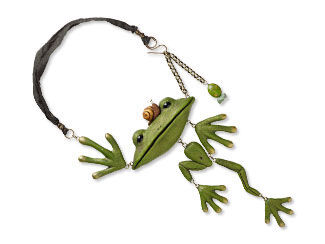
Frogs pick up where birds leave off—singing their songs in the twilight, filling the forest with croakings and calls that speak to a life of quiet transformation. The mossy greens of the wilderkind aesthetic make frogs and ideal choice for jewelry design.
Dragonflies
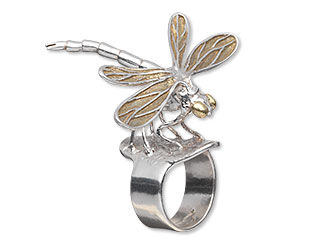
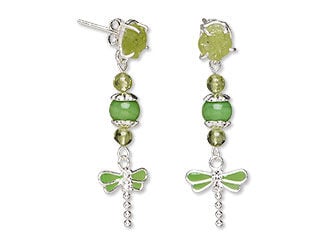
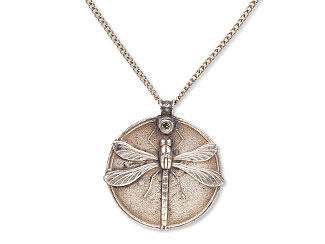
The delicate wings, geometric patterns and iridescent colors make dragonflies a popular inspiration for jewelry designs. To embrace the wilderkind theme, choose muted colors and natural materials to represent their contributions to the forest ecosystem.
Turtles
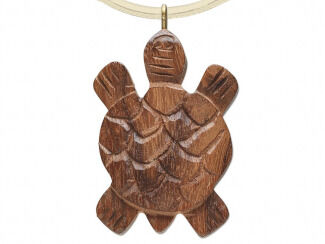
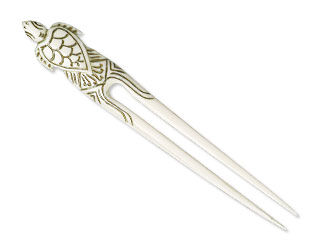
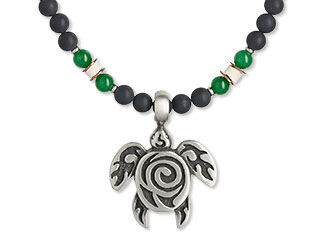
With their intricate shells and unhurried pace, turtles reflect the quiet wisdom of nature. Closely connected to ponds, streams and other forest wetlands, they symbolize stability, endurance and an enduring sense of belonging, qualities that lie at the heart of the wilderkind aesthetic.
Forest Flora Inspirations

Plants
While the tiny creatures of the forest are the focal point of the wilderkind aesthetic, the plants are the backdrop, the element that keeps those creatures in their rightful place. The browns and greens embody wilderkind and bring the organic, back-to-nature feel of wilderkind jewelry designs.
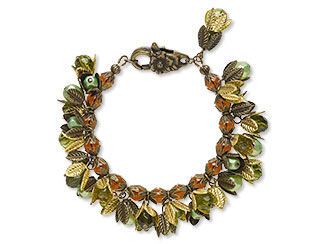
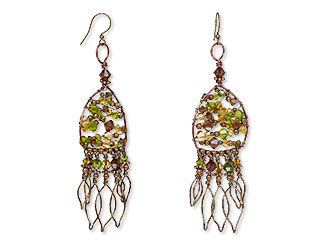
Flowers
Add subtle hints of color to your wilderkind jewelry designs with floral-themed jewelry designs. Wilderkind is a realistic but ethereal aesthetic, so flowers should be representational, either in form or pattern, and in keeping with the muted colors of the forest that exude the wilderkind spirit.
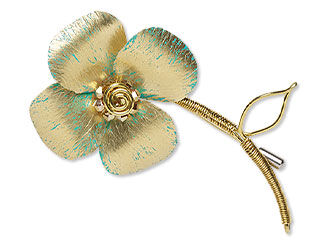
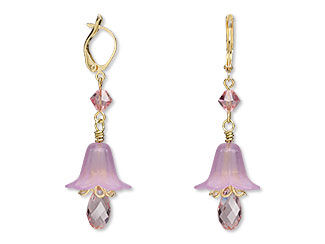
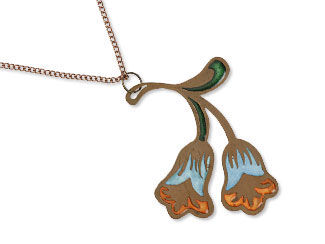
For more about floral-themed jewelry designing, read “The Language of Flowers”.
The Essence of Wilderkind Flora
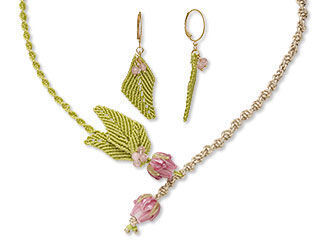
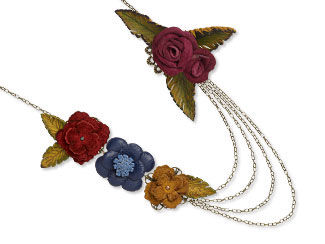
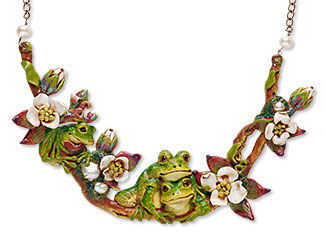
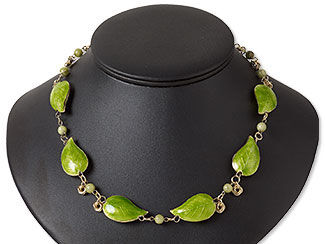
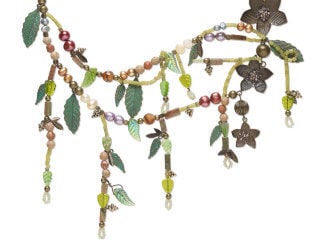
The necklace below epitomizes the Wilderkind aesthetic. Its asymmetrical design lends an untamed, organic character, while its layered shades of green echo the rich palette of the forest. Soft, muted colors capture the understated beauty of woodland life—details that reveal themselves only to those who take the time to look closely.
Trees
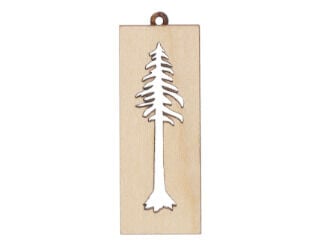
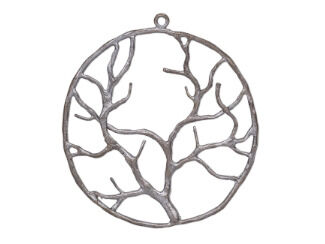
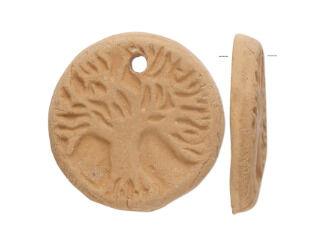
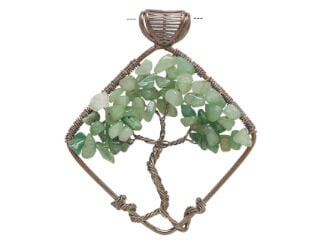
At the heart of every forest stand its trees. Tree-inspired charms, pendants and drops are a natural fit for wilderkind jewelry, while hand-crafted wireworked or beaded trees add artistry and organic appeal. Their timeless symbolism of growth and stability makes them a meaningful addition to any design.
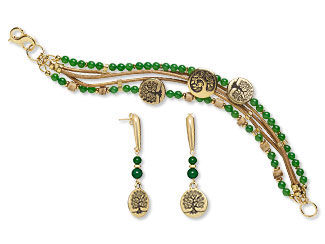
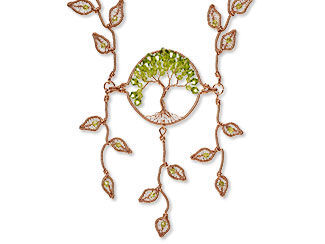
Interested in creating more tree-themed jewelry designs? Read “Tree of Life Jewelry”.
Bark
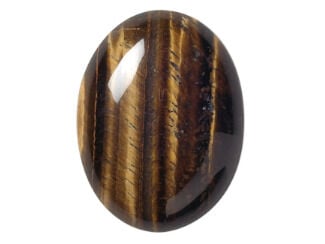
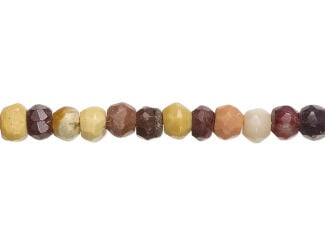
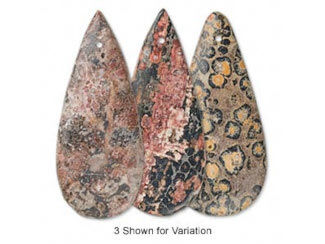
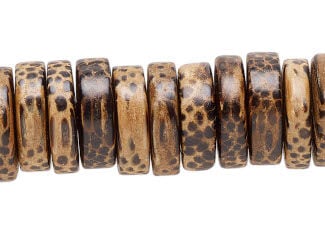
Use textured components to give the essence of tree bark. Beyond the obvious—wooden beads and components—take note of various gemstones that echo the streaky, gnarled patterns of wood.
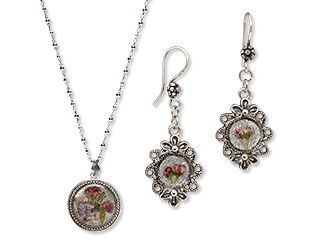
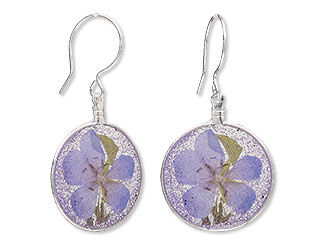
Plants and Flowers in Resin
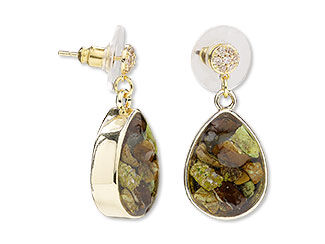
Go beyond simply capturing the colors and textures of the forest – incorporate nature itself into your jewelry designs. Resin settings can preserve leaves, flowers, moss and other woodland treasures, creating wearable keepsakes that bring a piece of the forest wherever you go.
For general resin resources, visit the Fire Mountain Resin and Mixed Media Resource page. You can also read the step-by-step instructions by experienced jewelry designer Tamara Honaman in “How to Create a Resin Pendant” for more specific instructions.
More Plant and Flower How-Tos
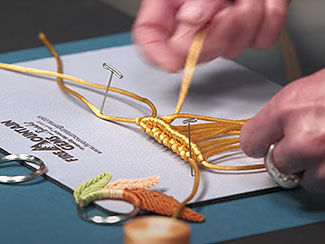
Looking for more ways to create forest plants and flowers? Try this simple tutorial, “How to Create Macramé Leaves”:
If polymer clay is more your style, check out the following video tutorials:
Learn How to Create a Polymer Clay Leaf Cane
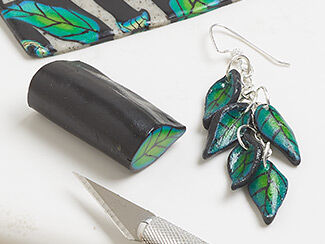
Creating a Polymer Clay Leaf
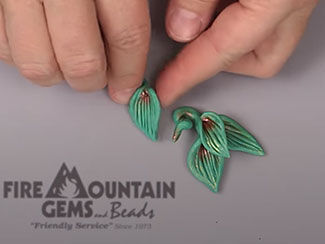
Creating a Polymer Clay Flower and Leaf Pendant
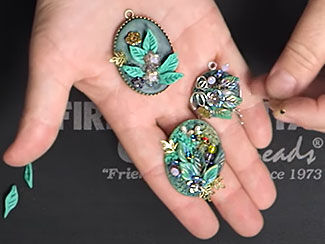
Wilderkind. Think mist, twilight, dappled sunlight. Think of the patterns on the back of a newborn fawn, the pale elegance of moth wings, the patterns of leaves overlapping in different shades of green. Think simple silhouettes, gentle appreciation for nature and muted colors. Think wilderkind.
Shop for Your Materials Here:
Have a question regarding this project? Email Customer Service.
All works of authorship (articles, videos, tutorials and other creative works) are from the Fire Mountain Gems and Beads® Collection, and permission to copy is granted for non-commercial educational purposes only. All other reproduction requires written permission. For more information, please email copyrightpermission@firemtn.com.
**Please note that all metaphysical or healing properties listed are collected from various sources. This information is offered as a service and not meant to treat medical conditions. Fire Mountain Gems and Beads® does not guarantee the validity of any of these statements.